What Services Does a Hormone Therapy Clinic Provide?
 Johnathan Parker |
August 22, 2026 |
4:30 pm
Johnathan Parker |
August 22, 2026 |
4:30 pm
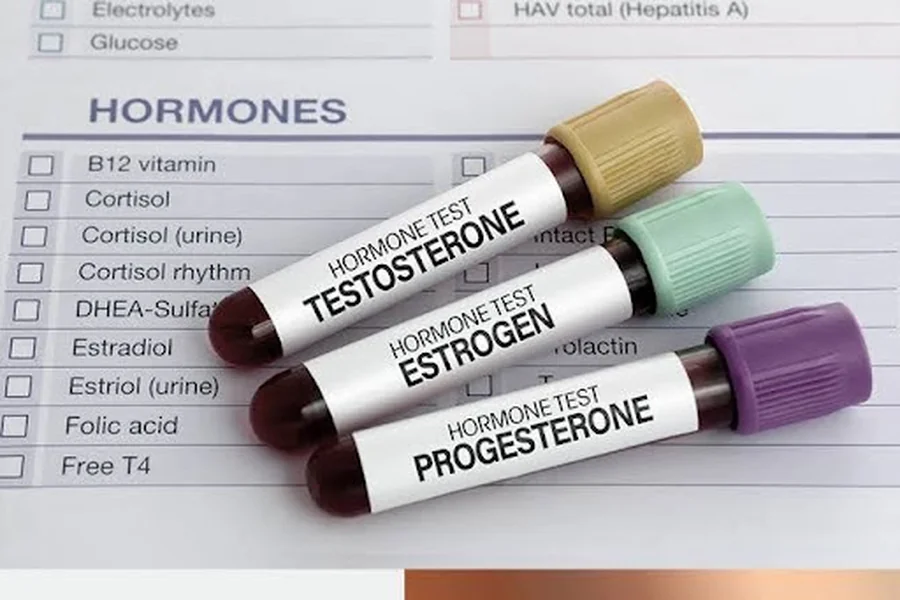
Hormone care starts with careful testing. The majority of clinics examine symptoms, medical history, medication, sleep, weight and lifestyle habits. Blood tests can be used to detect hormone patterns which may explain persistent health changes.
Treatment may be used for low levels of T, symptoms of aging, metabolism or known deficiencies. Medical weight loss and certain peptide programs are also available at some clinics. Each option, however, has varying evidence, benefits, risks and monitoring requirements.
Those differences should be understood by the client before treatment is given and should be explained by a qualified provider. There is close monitoring of the results, side effects and required dosage adjustments with follow up testing. This personalized, monitored approach defines a modern Hormone Therapy Clinic.
Services provided by a Hormone Therapy Clinic
The following are common services patients may find at specialized hormone therapy clinics.
Personalised Andropause Therapy
The first step in personalized andropause therapy is to look beyond age to find answers. Energy, libido, erections, mood, sleep, strength and body composition are reviewed by the provider. They also evaluate medications, stress, alcohol consumption, weight, and diseases.
It may be helpful to have a morning testosterone test to confirm that symptoms are consistent with low levels. Other blood tests may be ordered to check blood counts, markers of prostate function, thyroid function and metabolism.
Some might consider talking about testosterone therapy if symptoms and laboratory test results are right for treatment. Follow-ups are important though because there are a number of health indicators that can change with the use of testosterone.
Low Testosterone Therapy (Enclomiphene)
Enclomiphene is sometimes discussed during hormone consultations for men with low testosterone and fertility issues. Enclomiphene influences estrogen signaling, which stimulates the production of testosterone. It can cause an increase in luteinizing hormone and follicle-stimulating hormone in appropriate patients.
Unlike external testosterone, it may better preserve the body’s sperm production pathway. But enclomiphene is not available in the United States for the treatment of male hypogonadism. Clinics may provide it in products they have carefully formulated, if there are very particular circumstances under which it is prescribed.
Providers will typically verify symptoms and retest early in the morning before treatment. They will also check your fertility plans, your estrogen, your medications and your pituitary function.
Follow up testing includes evaluations of testosterone response, blood counts, symptoms and potential side effects. Before doing so, men should be aware of the regulatory status, limits of evidence, and options available to them.
Testosterone Replacement Therapy
Testosterone replacement therapy is used to replace testosterone when it is known or suspected that there is a low level of testosterone and that this is causing significant symptoms. Clinics can provide shots, gels, patches, pellets or other prescribed products. The goal of treatment is to return the level of testosterone to a normal range without over-dosing.
Before starting, providers confirm low morning levels and investigate possible underlying causes. They also review fertility goals because external testosterone can suppress sperm production.
Baseline testing may include blood counts and prostate assessment when clinically appropriate. Repeat labs are performed on a frequent basis during therapy to monitor response to therapy, symptoms and testosterone/hematocrit levels. Based on those findings, providers may modify dosage, timing or delivery method.
Some side effects are acne, swelling, increased hematocrit, reduced fertility, and blood pressure changes. By monitoring carefully, patients can be treated for any deficiency and not just aging.
Human Growth Hormone Therapy
Human growth hormone therapy is appropriate only for specific medically diagnosed conditions. For adults, evaluation may begin with symptoms, history, medications, and IGF-1 testing.
A qualified endocrinology provider may use stimulation testing when clinical suspicion remains. Approved somatropin treatment can help adults with documented growth hormone deficiency. Doses are personalized, and then adjusted based on symptoms, IGF-1 levels and side effects.
Monitoring may involve glucose levels, swelling, joint pain and other metabolic changes. Growth hormone is not approved by the FDA for general anti-aging or sports use, however.
This distinction matters when comparing legitimate endocrine care with wellness marketing claims. A responsible clinic should explain the diagnosis, approved indication, alternatives, and monitoring plan.
Weight Loss Treatment
The medical weight loss treatment starts with a health screening and realistic goals. Clinicians perform a BMI, medication review, eating habits review, activity review, and risks review. Semaglutide and tirzepatide can be used to aid chronic weight management for eligible American patients.
Additionally, some wellness clinics tout AOD-9604 as a fat loss or metabolic support supplement. Others identify MOTS-c as a compound that is associated with cell energy and metabolism. These compounds, however, are not approved for use for weight loss.
Federal regulators have flagged limited safety information for compounded AOD-9604 and MOTS-c. Patients should therefore distinguish approved obesity medicines from experimental peptide-based offerings.
A strong program addresses sleep, protein intake, resistance exercise, and weight maintenance. This broader approach keeps treatment centered on lasting health, not rapid scale changes.
Anti-Aging Treatments
Anti-aging programs today often focus on sleep, body composition, recovery, and energy concerns. Some clinics market Sermorelin Therapy to stimulate the body’s growth hormone pathway. Ipamorelin-CJC Therapy is currently also promoted for similar wellness and recovery goals.
The peptides in these combinations have not been FDA-approved as anti-aging products, specifically, in the United States. CJC-1295 and ipamorelin also have regulatory issues with compounded products. The difference between tesamorelin and other products is that an FDA-approved formulation has an established medical indication.
This indication involves reducing excess abdominal fat in adults with HIV-associated lipodystrophy. It is not approved simply to slow aging or improve general vitality.
Providers should review glucose control, cancer history, medications, and treatment-specific risks. Patients deserve a clear explanation carefully separating approved uses from experimental wellness claims.
Peptide Therapy
Peptide therapy can look broad, but the products differ dramatically. Semaglutide and tirzepatide are drugs that have FDA approval in specific formulations. Ipamorelin-CJC is sold to stimulate growth hormone for recovery, sleep or body composition.
But these compounds are not FDA-approved for use as a general health supplement or anti-aging agent. Despite a limited body of clinical evidence, AOD 9604 is marketed as a fat metabolism booster. BPC-157 and TB-500 are sold as tissue repair and injury recovery.
Wellness programs often combine two peptides together in the so-called Wolverine Peptide, which is the combination of BPC-157 and TB-500. Federal regulators have identified safety gaps for several compounded peptide ingredients.
Ibutamoren MK-677 is a growth hormone secretagogue, rather than a peptide. Also, NAD+ is not a peptide, but is included in the clinic list. Some sellers sell NAD+ infusions to boost energy or improve cell health, although they have not received FDA approval for anti-aging uses.
A clinic explains evidence, regulatory status, sourcing, risks, and alternatives. Patients should receive individualized screening before using any experimental wellness compound.
Conclusion
A hormone therapy clinic can help you to navigate through numerous treatment options safely. You might be provided with follow-up care, symptom reviews, prescriptions and hormone testing. Testosterone care, weight support and peptide treatments are other services some clinics provide.