Inside Appliance Manufacturing: How Modern Appliances Are Made
 Johnathan Parker |
August 19, 2026 |
12:10 pm
Johnathan Parker |
August 19, 2026 |
12:10 pm
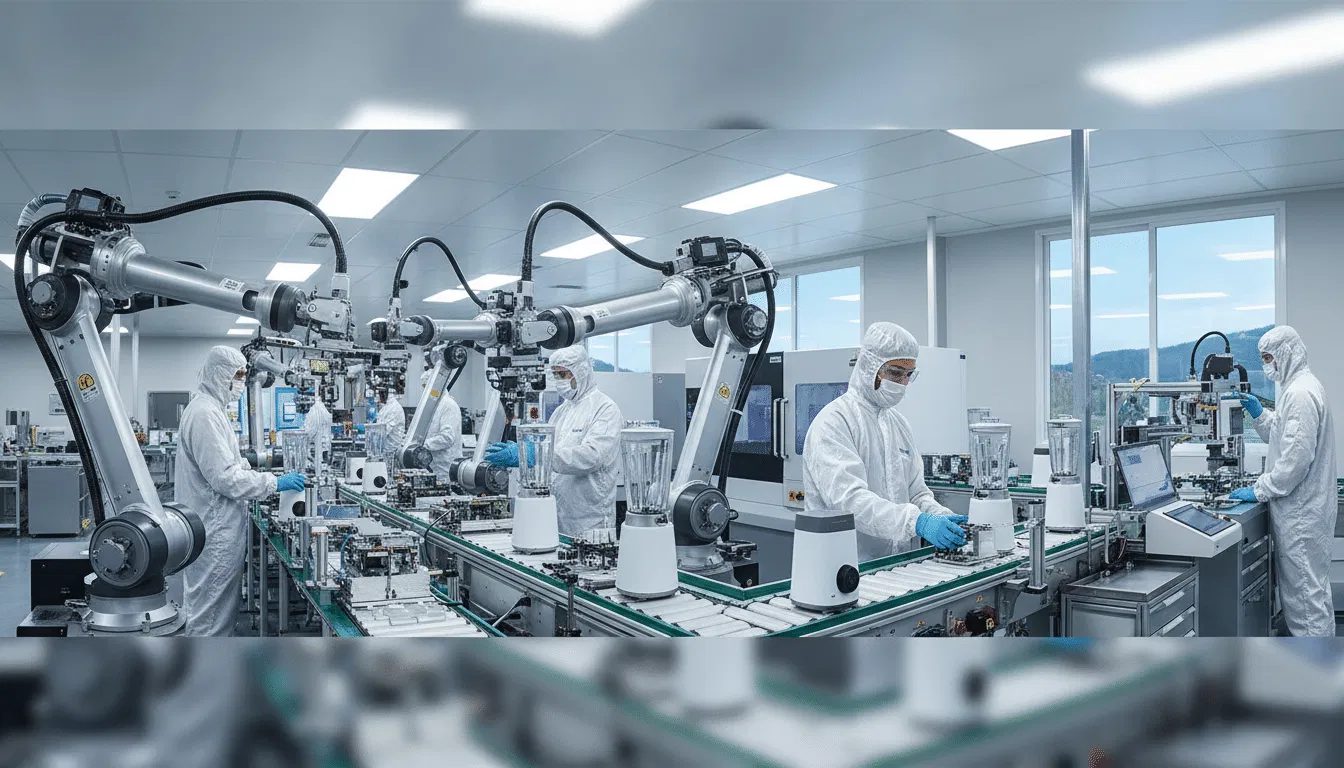
Modern household appliances are marvels of engineering that we often take for granted. From the refrigerator that keeps our food fresh to the washing machine that handles our laundry with the press of a button, these devices are the result of a highly sophisticated manufacturing journey. Behind every sleek stainless steel finish and digital display lies a process where advanced robotics, material science, and human expertise converge to create the tools of modern living.
The Blueprint: Design and Prototyping
The lifecycle of an appliance begins long before it reaches the factory floor. Engineers and industrial designers collaborate to conceptualize products that balance aesthetics with peak functionality. This stage relies heavily on digital modeling and simulation software to ensure the device meets energy efficiency standards and performance benchmarks.
Once a digital design is finalized, manufacturers move to the prototyping phase. Physical models are created to test the ergonomics and structural integrity of the unit. Modern facilities often utilize rapid prototyping techniques, such as 3D printing, to iterate on designs quickly and identify potential flaws before mass production begins. This proactive approach is essential for preventing costly manufacturing errors and ensuring the final product is user-friendly.
The Raw Materials: Foundation of Durability
The reliability of an appliance is intrinsically linked to the quality of the materials used in its construction. Sourcing is a critical phase where manufacturers select high-grade metals, plastics, and electronic components from specialized suppliers. For example, the structural chassis of many heavy-duty appliances begins with the acquisition of steel stamping blanks, which are later shaped into the sturdy frames required to support heavy internal components like motors and compressors.
Every material, from the insulation used in refrigerators to the glass used in oven doors, must undergo rigorous quality inspections. Even minor inconsistencies in the raw materials can lead to catastrophic failures once the product is in the consumer’s home, making early-stage quality control a top priority.
Precision Fabrication: Shaping the Exterior
The “shell” of an appliance provides both protection for internal components and the visual appeal that consumers demand. Metal fabrication involves processes like CNC machining or stamping to achieve the tight tolerances required for seamless assembly. Meanwhile, plastic components, such as interior drawers or control panels, are typically produced using injection molding.
Surface treatments play a significant role in the finishing stage. Techniques like anodizing, powder coating, or specialized painting are applied to enhance the durability of the exterior and provide a premium look and feel. For plastic parts, pad printing is frequently used to apply durable labels and graphics that won’t fade over time.
PCB Assembly: The Digital Brain
In the era of “smart” homes, the printed circuit board (PCB) has become the brain of almost every modern appliance. PCB assembly is one of the most technologically advanced steps in the factory, involving automated machines that solder tiny sensors and microchips onto the board with incredible precision.
Using surface-mount technology (SMT), factories can place components smaller than a millimeter onto the boards. These electronic assemblies are what allow your dishwasher to sense soil levels or your dryer to detect moisture. Once assembled, these boards are subjected to automated optical inspections and X-ray testing to ensure there are no hidden defects in the circuitry.
Final Assembly: The Human-Machine Partnership
The assembly line is where all the disparate parts come together. This stage is characterized by a hybrid approach where high-speed robotic arms handle heavy lifting and repetitive tasks, while human operators provide the dexterity and critical thinking needed for complex integration.
Workers and robots work in tandem to install the “brains” (PCBs), secure the mechanical systems, and attach the exterior panels. This meticulous integration ensures that every wire is correctly routed and every screw is tightened to the exact specification.
The Final Gate: Quality Assurance and Packaging
Before any appliance leaves the factory, it must pass a battery of functional tests. These include power-on diagnostics, software verification, and environmental simulations to ensure the unit can withstand years of use. Beyond functionality, each unit is inspected for cosmetic defects like scratches or misaligned panels using advanced vision systems.
Once the device passes all inspections, it is carefully packaged in protective materials designed to prevent damage during international shipping. This final step ensures that the precision-engineered appliance arrives in the consumer’s home in pristine condition, ready to serve for years to come.