How to Choose a Camera You Will Actually Take Everywhere
 Johnathan Parker |
November 2, 2026 |
9:05 pm
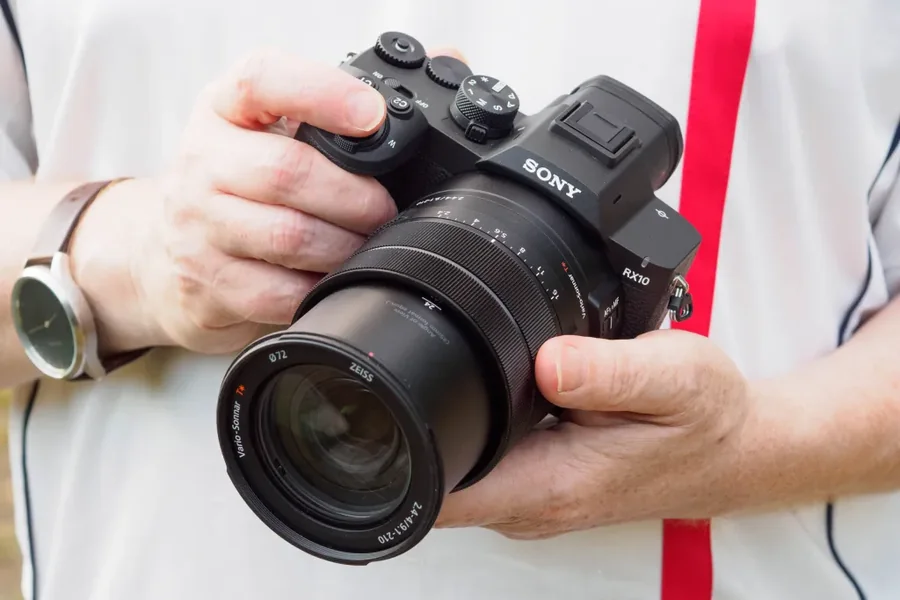
The best camera is not always the one with the longest list of features. It is the one you are willing to carry. A camera can have excellent image quality, fast autofocus and impressive lenses, but if it stays at home because it feels too heavy or awkward, none of that matters very much.
That is why size, weight and ease of use deserve just as much attention as technical specifications. For many people, a compact camera can strike a useful balance between better photographic control and something small enough to throw into a bag without turning every outing into a photography expedition.
Choosing well comes down to being realistic about how you actually take photos. Think less about the camera you imagine yourself using and more about the one that would fit naturally into your everyday life.
Start With How You Normally Take Photos
Before comparing models, think about the situations where you are most likely to use a camera.
Do you mainly take photos while travelling? At family events? On walks? At restaurants? At concerts? While spending time with children?
Your answer matters because different cameras suit different routines.
Someone travelling light may care more about size and battery life than having interchangeable lenses. A parent photographing active children may prioritise fast autofocus. Someone who enjoys street photography may want something discreet and quick to operate.
There is no universally perfect camera. The useful question is whether it suits the way you shoot.
Pay Attention to Size and Weight
Camera specifications can make two models look similar, but their physical size can make them feel completely different in everyday use.
Check the dimensions and weight, then think about what that actually means.
Will it fit in the bag you already carry? Can you comfortably hold it for an afternoon? Would you take it to dinner, or would you leave it at the hotel?
If possible, handle the camera before buying it. Something that looks tiny online can still feel awkward in your hands, while a slightly larger model may be much more comfortable to use.
Portability only helps if the camera is still pleasant to hold.
Decide How Much Zoom You Really Need
A long zoom range sounds appealing because it gives you more flexibility, but it often comes with compromises in size, lens brightness or image quality.
Think about what you normally photograph.
For everyday travel, family photos and city scenes, an extreme zoom may not be necessary. If you regularly photograph wildlife, distant subjects or sporting events, extra reach can be much more useful.
Avoid paying for a feature simply because the number sounds impressive.
It is better to have a camera that handles your typical subjects well than one designed for situations you rarely encounter.
Look at Low-Light Performance
One of the main reasons people buy a dedicated camera is to get better results in situations where a phone starts to struggle.
Restaurants, evening streets, indoor events and cloudy days can all expose the limitations of smaller sensors and slower lenses.
If you expect to take plenty of photos in lower light, look at sensor size and lens brightness rather than focusing only on megapixels.
A higher megapixel count does not automatically mean better images.
In many real-world situations, a camera that handles noise well and has a brighter lens can be more useful than one with a larger headline resolution figure.
Make Sure the Controls Feel Simple
A camera that takes too long to set up can discourage spontaneous photography.
You should be able to turn it on, frame a photo and take the shot quickly without digging through menus every time.
Useful features might include:
- Customisable buttons
- A responsive touchscreen
- Easy exposure controls
- A clear viewfinder
- Quick access to common settings
You do not need every possible control. You need the controls you use most to be easy to reach.
This is particularly important if you are moving from smartphone photography and do not want a steep learning curve.
Consider Battery Life and Charging
Battery life rarely gets the same attention as image quality, but it can affect how often you actually use the camera.
A camera that constantly needs charging can become annoying very quickly, especially while travelling.
Check whether the camera supports USB charging and whether spare batteries are readily available.
Being able to recharge from a power bank can be extremely useful when you are away from a hotel or power outlet for most of the day.
Think About How You Will Carry It
A camera only becomes an everyday camera if carrying it is easy.
You might prefer a wrist strap, a small shoulder bag or a protective pouch inside your normal backpack.
The aim is to reduce friction.
If taking the camera out requires opening a large dedicated camera bag and rearranging equipment, you may find yourself reaching for your phone instead.
A simple carry setup makes it more likely the camera will be within reach when something worth photographing happens.
Do Not Ignore Your Phone
A dedicated camera does not need to replace your phone completely.
Phones are incredibly convenient for quick snapshots, sharing and everyday documentation. A separate camera should earn its place by doing something your phone does not do as well.
That might be better zoom, more natural background blur, improved low-light performance, better controls or simply a more enjoyable shooting experience.
Thinking about the two devices as complementary rather than competing can make the decision easier.
Choose for Real Life, Not the Spec Sheet
It is easy to get distracted by technical comparisons, especially when every model seems to have one feature another one lacks.
But the camera you will use most is usually the one that feels easiest to live with.
Prioritise the features that affect your everyday experience: size, handling, battery life, speed and image quality in the situations you actually encounter.
A slightly less powerful camera that travels everywhere with you will usually create more meaningful photos than a technically superior one sitting on a shelf at home.