How Proper Lawn Mowing Supports a Greener and Healthier Lawn
 Johnathan Parker |
October 26, 2026 |
10:37 am
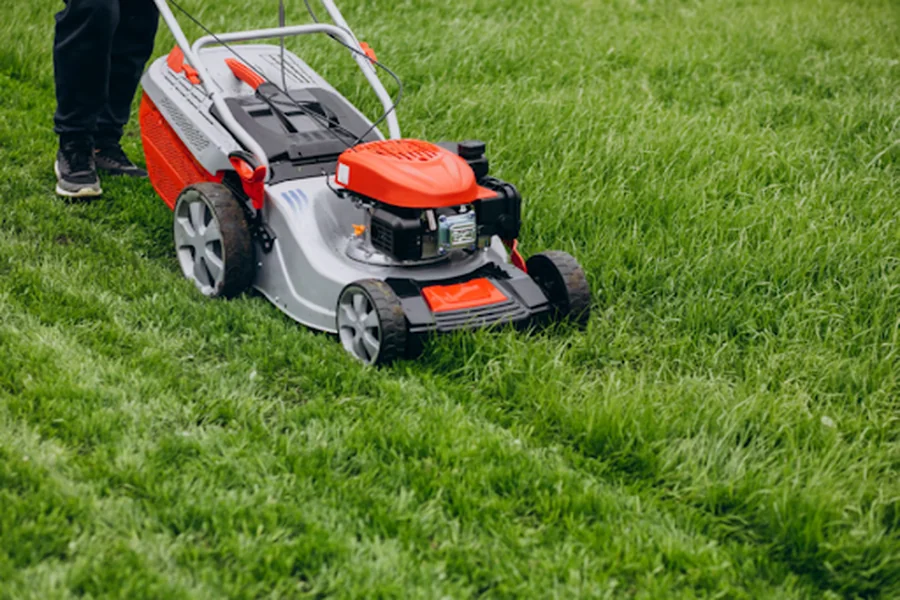
A healthy lawn can make your outdoor space look neat and inviting, but keeping grass green takes more than watering or feeding. Mowing also affects how well grass grows and handles stress.
Cutting grass too short, removing too much at once, or waiting too long between cuts can strain your turf and make it harder for grass to handle heat and dry conditions.
Proper mowing can help your lawn stay healthy throughout the growing season. Keeping grass at a suitable height and avoiding excessive cutting can reduce stress and support stronger, greener turf.
Several parts of your lawn’s health can benefit when mowing is done correctly. Let’s look at where proper mowing can make the biggest difference.
1. Support Stronger Grass Growth
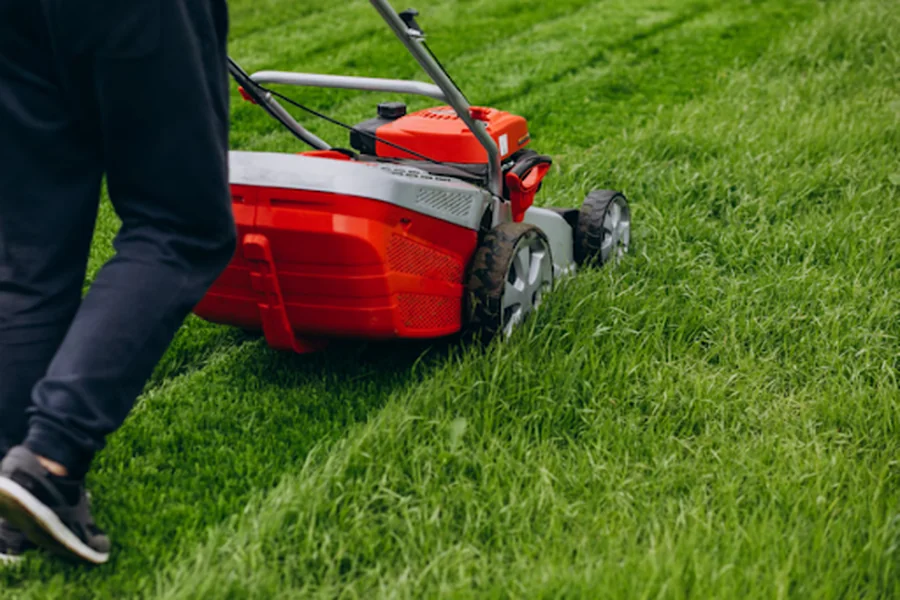
Grass needs enough leaf surface to capture sunlight and produce energy for growth. When you remove too much of the blade at once, the plant has less leaf tissue available and may experience added stress. A useful rule is to remove no more than about one-third of the grass height during a single cut.
If you do not have time to maintain the right mowing height yourself, searching for lawn mowing near you can help you find professional support. A knowledgeable service can account for your grass type and growth rate instead of simply cutting the lawn as short as possible.
The goal is not to keep grass as short as possible. Leaving enough healthy leaf tissue can help your lawn maintain steady growth between mowing visits.
2. Help Grass Handle Heat and Dry Conditions
Hot and dry weather can put extra pressure on your lawn. Cutting grass too short can leave turf with less leaf area when it needs protection from difficult conditions.
During periods of heat or drought, raising the mowing height can help your turf handle stress. More leaf area can provide additional shade for the soil around the roots and help protect the lawn during stressful weather.
A regular mowing schedule can also help you maintain a suitable height. Keeping grass from becoming excessively tall means you are less likely to remove a large amount of leaf tissue during one cut.
Avoid cutting a large amount of grass simply to catch up after missing a mowing. Removing too much at once can add unnecessary stress, especially when your lawn is already dealing with heat or limited moisture.
3. Encourage Thicker, Greener Turf
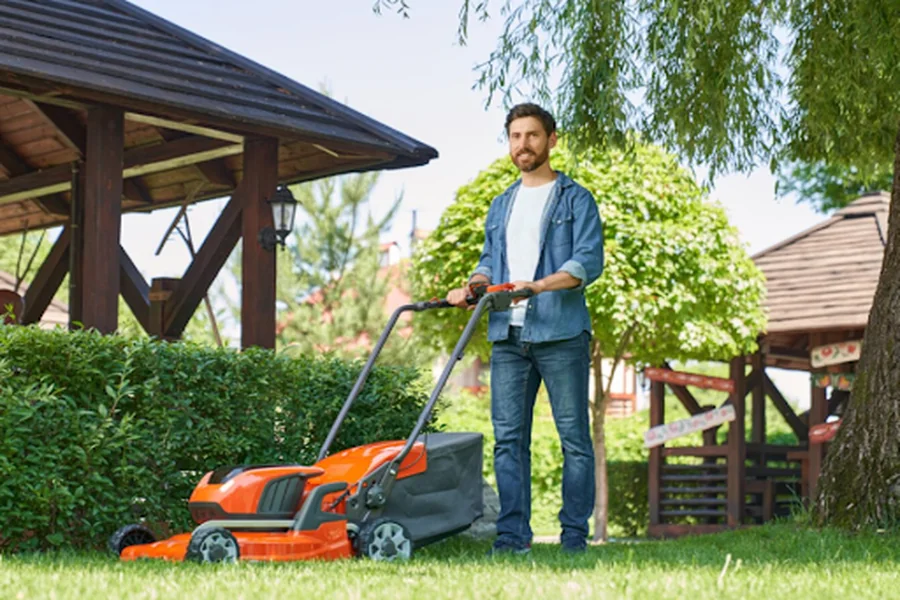
A consistent mowing routine can help your lawn maintain more even growth. Keeping grass at a suitable height can reduce the uneven appearance that occurs when some areas grow much taller than others.
Regular mowing can also make bare patches, weeds, thinning areas, and changes in color easier to spot. Finding these signs early gives you a better chance to address problems before they become more difficult to manage.
Grass clippings can also support healthy turf when mowing is done correctly. Fine clippings can remain on the lawn and return nutrients to the soil when they are spread evenly rather than left in thick piles. Keeping clippings on the lawn can therefore be a simple part of regular turf care.
Mowing alone will not create a thick lawn. Water, soil conditions, nutrients, sunlight, and other forms of lawn care also affect turf growth. Proper mowing supports these efforts by helping grass maintain a healthy height and avoid unnecessary stress.
4. Promote Cleaner, Healthier Cuts
Your mower blades can affect both the appearance and health of your grass. Sharp blades make cleaner cuts, while dull blades can tear grass tips. Torn blades can leave a ragged appearance and may place additional stress on the plant.
Clean cuts can help your lawn look more even after mowing and reduce the damaged appearance that can result from torn grass. Checking your mower blades regularly and keeping them in good condition can help you achieve better results with each cut.
Blade care becomes especially important when you mow often. Regular use can gradually dull the blades, so checking their condition can help prevent poor cuts and support healthier-looking turf.
5. Maintain Healthy Turf Across Grass Types
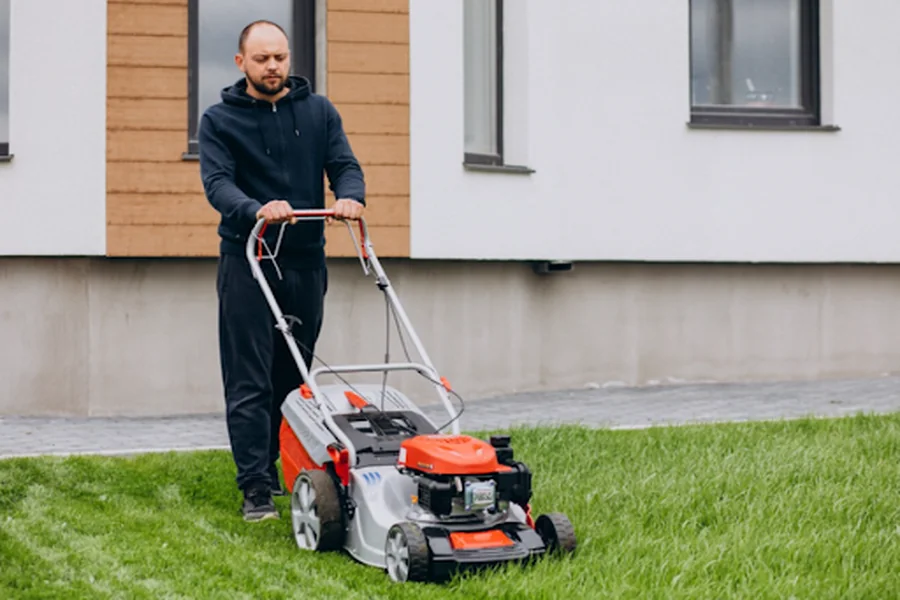
Good mowing is not a one-height-fits-all task. Different turfgrass varieties have different preferred cutting heights, so knowing your grass type can help you avoid cutting it too short.
For example, Bermuda and Zoysia grasses are often maintained at relatively low mowing heights, while St. Augustine generally performs better at a taller height. The appropriate range can vary based on the specific grass variety, season, and growing conditions.
Weather and seasonal growth can also affect mowing needs. Adjusting the mowing height and frequency as conditions change can help your lawn handle periods of faster growth, heat, or dryness.
When you account for your grass type and current growing conditions, you can maintain enough healthy leaf growth without taking off more than your turf can handle.
Bottom Line
Proper lawn mowing is about more than cutting grass short. A suitable mowing height, controlled cutting, regular timing, sharp blades, and attention to grass type can help reduce stress and support greener, stronger turf.
Adjusting mowing during hot or dry weather can also help your lawn handle difficult growing conditions. Keeping fine clippings on the lawn can return nutrients to the soil when they are spread evenly.
If you do not have time to maintain a steady mowing routine, professional lawn care can handle regular mowing while accounting for your lawn’s needs.