Why Medium Roast Coffee Offers Exceptional Balance
 Johnathan Parker |
September 1, 2026 |
4:04 pm
Johnathan Parker |
September 1, 2026 |
4:04 pm
Medium roast coffee sits in the middle of the roast spectrum, but that does not make it average. It is the roast level that most consistently delivers on what coffee drinkers actually want: a cup that is complex without being harsh, flavorful without being aggressive, and versatile enough to taste good however you brew it.
What Medium Roast Coffee Actually Is
Medium roast coffee is generally roasted to a temperature within this range, although the exact temperature varies depending on the roaster and roast profile.
At that range, the beans reach what roasters call the first crack: an audible pop that signals the development of sugars and flavor compounds. The roasting stops before the second crack, which is where dark roasts begin.
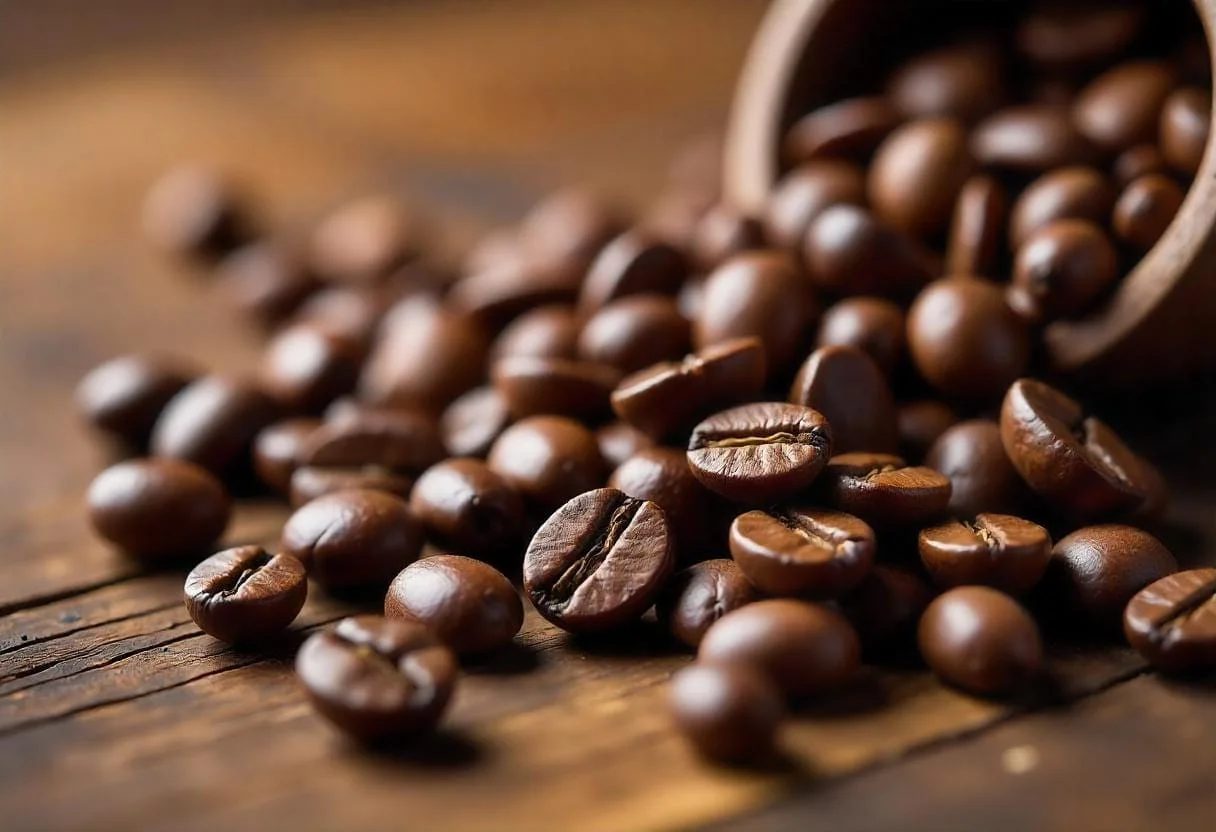
The result is a bean that retains more of its original flavor from the origin while also developing roasted sweetness and body that lighter roasts do not have. Medium roast coffee beans have a slightly darker color than light roasts, a surface that is dry or barely shiny, and a density that falls between the two extremes.
The Flavor Profile
What makes this roast level appealing is that it does not push too hard in any one direction. It tends to be:
- Lower in acidity than light roasts, without the bitterness that darker roasts can produce
- Fuller in body than light roasts, without the heaviness of a dark roast
- Sweet and developed, with notes that typically include caramel, chocolate, nuts, and mild fruit depending on the origin.
- Clean and smooth, with a finish that does not linger unpleasantly
The exact flavor depends on where the beans came from. Medium roast coffee from Latin America tends toward chocolate and nutty sweetness. African origins often show more fruit and floral character even at this level. The roast does not mask origin the way dark roasts can, so the differences between coffees are still clearly expressed in the cup.
Why It Is So Versatile
One of the practical advantages of medium roast coffee is that it performs well across almost every brewing method. Light roasts can be tricky and often taste sour if brewed too casually. Dark roasts can taste bitter or flat in methods that emphasize clarity. Medium roast hits a range where:
- Drip coffee machines bring out its natural sweetness and balanced body
- Pour over highlights the origin character and clean finish
- French press adds richness and depth to its already substantial body
- Espresso extraction works well, producing a smooth shot with good sweetness
- Cold brew produces a naturally sweet, low-acid concentrate
The range of compatibility makes it a practical everyday choice for households with different brewing equipment or for anyone who likes to switch up their method.
Medium Roast vs Light Roast
Light roasts preserve the most origin character and have the highest acidity. They are the best choice for people who want to taste the terroir most clearly, but require more attention to brew well.
Dark roasts develop bold, roast-driven flavor with lower acidity. They can be satisfying but often taste similar regardless of origin, because the roast dominates.
Medium roast coffee falls between them in every dimension. It retains enough origin character to be interesting, develops enough roasted sweetness to be approachable, and maintains a body and finish that feels complete. For people who find light roasts too bright or dark roast too heavy, it is not a compromise. It is the right answer.
Caffeine
A common misconception is that darker roasts have more caffeine. The opposite is slightly true. Caffeine is stable during roasting, but longer roasting breaks down a small amount of it. Medium roast coffee contains marginally more caffeine per bean than dark roast.
In practice, the difference is small. Brew ratio and serving size matter far more than roast level when it comes to caffeine content.
How to Choose a Good Medium Roast
Not all medium roast coffee is the same. Here is what to look for:
Origin transparency: Good medium roast comes from beans whose sourcing is clearly stated. Generic labels without origin information are usually mass-produced and optimized for shelf life, not flavor.
Roast date: All coffee is best within two to four weeks of the roast date. Freshness matters more than roast level.
Origin certification: USDA Organic medium roast coffee means the beans were grown according to USDA organic standards, which restrict the use of synthetic pesticides. Given that coffee is one of the most chemically treated crops in the world, organic sourcing makes a real difference.
Sourcing model: Direct trade and cooperative sourcing generally produce better results because the quality standards at the farm level are higher.
Direct relationships also mean full traceability; knowing exactly which lot was used, which farm it came from, when it was harvested, and how it was processed. That level of detail is not possible when coffee passes through multiple intermediaries, and it makes a meaningful difference in the consistency and quality of what ends up in your cup.
How to Brew It at Home
Getting the most from medium roast coffee at home does not require precision equipment.
- Grind fresh immediately before brewing. This roast level loses its aromatics quickly once ground. Even a basic burr grinder makes a noticeable difference.
- Use water between 195 and 205 degrees Fahrenheit. Let water rest for 30 to 45 seconds off the boil if you do not have a temperature-controlled kettle.
- Start with a 1:15 ratio of coffee to water and adjust from there. Medium roast coffee is forgiving and small ratio adjustments produce noticeable changes in strength without dramatically changing the flavor character.
The Bottom Line
Medium roast coffee is not the safe, middle-of-the-road option it is sometimes made out to be. It is the roast level that gives you the most to work with: origin character, roasted sweetness, versatile brewing range, and a flavor profile that holds up across different preferences and methods. If you have not spent time exploring what it can do, it is worth starting there.