Best PPF Installer Training Courses and Certifications, Compared
 Johnathan Parker |
August 25, 2026 |
8:58 pm
Johnathan Parker |
August 25, 2026 |
8:58 pm

Paint protection film has quietly become one of the busiest add-on services in the car care depending trade. A full-body install on a customer’s car runs anywhere from about $2,000 to $10,000, on coverage, and shops cannot hire fast enough to keep up. That demand is why so many detailers, wrap installers, and career-changers are looking at PPF training this year. The trouble is that “PPF training” covers two very different things: a manufacturer class that certifies you on one brand of film, and an independent academy that teaches you the craft and how to run it as a business. Below, we compare the programs people actually shortlist, with real formats, real durations, and the cost each one publishes (or pointedly does not).
How we compared
We looked at two clusters side by side. The first is the manufacturer certification programs run by the big film brands: XPEL, SunTek, 3M, Avery Dennison, and STEK. The second is the independent academies, including Tint Academy, Wrap ID, The LAB, and a Toronto studio that runs its own hands-on course. For each program, we pulled the format (in person or online), the length in days or hours, what the course actually includes (pattern software, hands-on panels or full cars, tools), the film brand it ties you to, the certification you walk away with, and one honest drawback. Where a program does not publish a price, we say so and explain the model instead. Ratings here are enrolment and reputation signals rather than software-style star scores, because that is what exists in this trade.
Manufacturer certification versus independent training
These two paths are not interchangeable, and picking the wrong one wastes money.
A manufacturer certification program teaches you to install one company’s film and, on completion, lists you as an authorized or accredited installer of that brand. That authorization is the real prize: it lets you buy the film, offer the brand’s warranty to customers, and appear in the brand’s dealer locator. The catch is that most manufacturer classes are open only to existing dealers or authorized shops, so they are rarely a starting point for someone with no experience.
An independent academy teaches transferable skills instead. You learn to read a panel, prep paint, cut and tuck film, and hide the edges, and the good ones also cover pricing, booking, and how to quote a job. The certificate you get is proof of completion, not a legal license. There is no single government license required to install PPF, so in practice, certification is about credibility with customers and, for manufacturer programs, warranty authorization. Beginners almost always start at an independent academy and add a manufacturer certification later, once they have chosen the film they want to sell.
A quick word on course components, because they vary more than people expect. Look for pattern or plotter software training (most shops cut pre-cut kits from a plotter), hands-on time on real panels or, better, full vehicles rather than flat practice boards, and the tool kit: squeegees, slip solution, heat, and trimming blades. Ask whether you practice on bulk film (cut by hand) or only pre-cut kits, since bulk work is the harder skill and the one that separates a confident installer from a kit-fitter.
The best PPF installer training programs, ranked
1. ID Protection (Toronto and Vaughan area)
If you want the most one-on-one time on real cars, this is the standout. ID Protection is a Concord (City of Vaughan) studio with more than twelve years of experience in paint protection and detailing, and the founder personally runs the training rather than handing it to a junior instructor.
- Best for: beginners with no experience who want maximum hands-on time on full vehicles.
- Type: independent academy.
- Format: in person, hands-on, at the studio.
- Duration: personal course is 6 days (40 hours) one-on-one with the owner; group course is 2 days (16 hours) for up to 8 people.
- Cost: $5,000 for the personal course, which includes two full-body applications and 6 months of expert access afterward; $1,000 for the group course, which includes one full-front application and 3 months of access.
- Film brand: brand-agnostic. You learn techniques that carry across films rather than being tied to one label.
- Certification: certificate of completion.
- Signal: 4.9 stars on Google, twelve-plus years in the trade, founder-led instruction. The studio does Porsches most days and is candid that black paint and quarter panels are the hardest work to get perfect, which is exactly the practice a beginner needs.
Where it falls short: there is one physical location, the training is in person only, and the small personal cohort means limited seats and a wait for the full 6-day slot. It is also a premium price next to a free class from a film brand you already sell.
2. XPEL training
XPEL is the name most customers recognize, and its certification carries weight because of that. The training is hands-on at XPEL facilities with real cars and experienced instructors.
- Best for: shops that have already committed to selling XPEL film.
- Type: manufacturer certification.
- Format: in person, at XPEL facilities, or arranged at your shop.
- Duration: multi-day and product-specific (for example, a three-day advanced color PPF course and a two-day windshield film course).
- Cost: not published; classes are subsidized or free for current authorized installers, which is who they are for.
- Film brand: XPEL.
- Certification: product-specific XPEL certification plus authorized-installer status.
- Signal: the largest PPF brand network internationally, with training centers across the US, Canada, the UK, and Europe.
The limitation is right there in the fine print: XPEL classes are exclusively for current authorized installers, so a complete beginner cannot simply book a seat.
3. SunTek training (Eastman)
SunTek runs the most structured ladder of any brand here, which is useful if you want to grow from basics to a full certification over time.
- Best for: dealer staff who want a graded path from fundamentals to a formal certification.
- Type: manufacturer certification.
- Format: in person, mixing classroom demonstrations with one-on-one practice in a shop setting.
- Duration: a three-day PPF fundamentals course, a longer advanced course of about three and a half days, and a three-week foundations certification for those going all the way.
- Cost: not published; you register through SunTek, and training is limited to SunTek dealer employees.
- Film brand: SunTek.
- Certification: The foundations program is the one explicitly labeled as a certification.
- Signal: a global manufacturer with trainers that the brand describes as carrying centuries of combined industry experience.
Its drawback mirrors the other brands: attendance is restricted to dealer employees, and the price is opaque until you register.
4. 3M training (via EPD University)
3M’s authorized training runs through EPD University in Maryland, and it is one of the few manufacturer classes with a published price and a clear route to a preferred-installer title.
- Best for: installers who want a recognized legacy brand and a defined path to preferred status.
- Type: manufacturer-authorized certification.
- Format: in person at the EPD University training center near Baltimore.
- Duration: three days, hands-on.
- Cost: $2,995 per participant, including lunch, take-home 3M film for practice, and tools.
- Film brand: 3M.
- Certification: certificate of completion, with the option to earn the 3M Paint Protection Film Preferred Installer title by passing an installation test within 12 months.
- Signal: a legacy manufacturer with an established preferred-installer network and ongoing post-course support.
The honest catch is that the certificate you leave with is not the same as the Preferred Installer title. That title requires passing a separate test later, and there is only one US location.
5. Avery Dennison training
Avery Dennison built its class for people walking in cold, which makes it one of the friendlier manufacturer options for a beginner.
- Best for: beginners who want a manufacturer class with no experience required.
- Type: manufacturer certification.
- Format: in person, two full days (9 to 5 each day).
- Duration: 2 days.
- Cost: $1,399, which includes application tools, a free 60-inch by 20-foot roll of Supreme Defense gloss film, lunch both days, and a certificate.
- Film brand: Avery Dennison.
- Certification: certificate of completion.
- Signal: a global materials manufacturer that runs classes in rotating US cities and explicitly markets the course as beginner level.
Two days is generous for the fundamentals but tight for complex full-vehicle work, so plan on more practice afterward. Classes also run only in the US cities on the schedule.
6. STEK training
STEK’s program leans into the business side alongside the installation skill, and it runs through a network of partner facilities.
- Best for: installers who want maintenance and shop-management content bundled with the craft.
- Type: manufacturer certification.
- Format: in-person, immersive, and multi-day.
- Duration: a three-day course at the US training center, with longer options through international partners.
- Cost: not published; you contact STEK or a training partner for fees and dates.
- Film brand: STEK.
- Certification: accredited STEK installer status.
- Signal: trainers the brand credits with centuries of combined experience, and partner training sites in the US, Germany, Finland, and the UK.
The drawbacks are the familiar ones for a manufacturer program: pricing is quote-only, and the North American footprint is limited to a single home center plus partners.
7. Tint Academy
Tint Academy is best known for window film, and its PPF certification is a two-day add-on that suits someone already in the film trade.
- Best for: existing tinters adding PPF to their menu.
- Type: independent academy.
- Format: in person, hands-on.
- Duration: 2 days.
- Cost: $1,699 USD, which bundles education, a film credit, and software.
- Film brand: brand-agnostic (education plus a film credit).
- Certification: a formal PPF installation certification.
- Signal: the school reports certifying more than 6,500 professional window tint installers, with rotating dates in Toronto, Vancouver, Winnipeg, and Indiana.
The limitation is time and focus. Two days is short for real full-body confidence, and PPF sits alongside a tint-first curriculum rather than being the whole show.
8. Wrap ID
Wrap ID is a Markham, Ontario studio that trains across wrap, PPF, and colored PPF, which is handy if you want more than one skill from one place.
- Best for: people who want wrap and PPF instruction under one roof near Toronto.
- Type: independent academy.
- Format: in person at the Markham studio.
- Duration: not published on the course page.
- Cost: $1,750 for the PPF for Beginners and $1,750 for the advanced and colored PPF course.
- Film brand: covers multiple PPF types and brands.
- Certification: not clearly stated online.
- Signal: an established GTA wrap and PPF studio that also sells the services it teaches.
The frustrating part is how little the public page tells you. Duration, class size, and the exact certification are not spelled out, so you have to call before you can really compare it.
9. The LAB
The LAB runs a budget-friendly two-day course across several GTA locations and ties completion to preferred pricing on real film brands.
- Best for: GTA beginners who want the lowest entry price with film-buying perks.
- Type: independent academy.
- Format: in person, classroom plus practical.
- Duration: 2 days.
- Cost: $999 CAD for the course, or $1,499 CAD with a full roll of LAB film included.
- Film brand: LAB films, plus preferred rates on 3M, SunTek, and Hexis after completion.
- Certification: a PPF installation designation, plus eligibility to buy certified brands at preferred rates.
- Signal: multiple GTA locations, up to a year of access to a PPF training database, and an alumni community.
The thing to understand is that a designation from an academy is not the same as a manufacturer certification. Class size is also not published, so ask how many students share the cars.
Comparison table
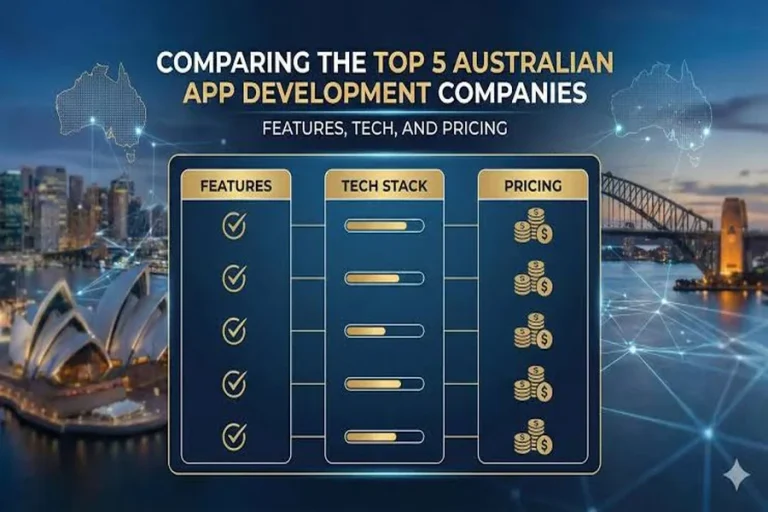
| Course | Type | Format | Duration | Cost band | Film brand | Certification | Best for |
|---|---|---|---|---|---|---|---|
| ID Protection | Independent | In person | 6 days / 40 hrs (personal) or 2 days / 16 hrs (group) | $1,000 to $5,000 | Brand-agnostic | Certificate | Beginners wanting the most 1:1 time on full cars |
| XPEL | Manufacturer | In person | Multi-day, product-specific | Subsidized for dealers | XPEL | Product cert + authorized status | Committed XPEL shops |
| SunTek | Manufacturer | In person | 3 days to 3 weeks | Not published | SunTek | Foundations certification | Dealer staff wanting a graded path |
| 3M (EPD University) | Manufacturer | In person | 3 days | $2,995 | 3M | Certificate + Preferred path | Legacy-brand installers |
| Avery Dennison | Manufacturer | In person | 2 days | $1,399 | Avery Dennison | Certificate | Beginners, no experience |
| STEK | Manufacturer | In person | 3 days+ | Not published | STEK | Accredited installer | Craft plus business content |
| Tint Academy | Independent | In person | 2 days | $1,699 USD | Brand-agnostic | PPF certification | Tinters adding PPF |
| Wrap ID | Independent | In person | Not published | $1,750 | Multiple | Not stated | Wrap plus PPF near Toronto |
| The LAB | Independent | In person | 2 days | $999 to $1,499 CAD | LAB + preferred brands | Installation designation | Budget GTA beginners |
Manufacturer or independent: which should you pick
If you already run a shop and you know which film you want to sell, a manufacturer program is the efficient choice, because the authorization and the warranty come with it, and the class is often subsidized. If you are starting from zero, an independent academy is usually the better first move. You get more patient, foundational teaching, you are not locked to one brand before you have tried a few, and the better academies put you on full cars instead of practice boards. Plenty of installers do both in sequence: learn the craft independently, then collect the manufacturer certification for whichever film they settle on.
In-person versus online PPF training
Online modules are fine for the theory (film types, warranty rules, how a plotter and pattern software work), and most reputable programs use video for that part. The installation itself cannot be learned from a screen. Tucking an edge, working a compound curve, and reading how a black quarter panel is going to fight you are muscle-memory skills that only come from hours with your hands on a car and someone experienced watching. Treat any “fully online certification” with suspicion. The programs that matter are hands-on, and the best of them measure their value in how many real vehicles you touch.
How much does PPF training cost, and is it worth it
Independent courses in North America generally land between about $1,000 and $5,000, depending on length and how much one-on-one time you get. Manufacturer classes are cheaper on paper (often a few hundred to a few thousand dollars, and sometimes free for dealers), but they assume you already have shop access or an authorization. Longer, higher-touch programs cost more because you are paying for cars, film, and an expert’s undivided attention, which is the part that actually shortens your learning curve.
Is it worth it? The honest answer is that it depends on the work you win, not on the certificate itself. For a sense of the wider trade, government wage data for Ontario body painters puts the median around $29.00 an hour, and in the US, the national figure for finishing trades sits near $40,860 a year for painting, coating, and decorating workers. A skilled, independent PPF installer who charges by the car can do better than those benchmarks, since a full-body job bills in the thousands, but that is earned through speed and quality, not handed over with a diploma. Be wary of any school promising fast riches. Search engines and customers both reward proof over hype, and so should you when you pick a course. If you want to sanity-check the earning side yourself, the wage ranges for Ontario body painters are a reasonable floor to reason from.
How to become a certified PPF installer, step by step
- Be honest about your starting point. If you have never worked with film, plan for a foundational hands-on course rather than a two-day brand class.
- Choose in-person, hands-on training with real vehicles. Confirm you will work on full cars or at least full panels, not just flat boards.
- Check the components. The course should include pattern and plotter software, bulk cutting as well as pre-cut kits, and the full tool kit (squeegees, slip solution, heat, and trimming).
- Learn the craft first, brand second. Get comfortable installing before you tie yourself to one film through a manufacturer certification.
- Add a manufacturer certification once you have chosen your film, so you can buy it, offer its warranty, and appear in its dealer locator.
- Keep practicing on hard cars. Dark paint and quarter panels are where reputations are made, so seek out the difficult jobs while you still have a mentor to ask.
FAQ
Do you need certification to install PPF professionally? There is no single legal license to install paint protection film. You can legally install it without a certificate. What certification actually buys you is credibility with customers and, for manufacturer programs, the authorization to buy the film and offer its warranty.
How long does PPF training take? Most classes run two to three days. Deeper independent programs stretch to five or six days, and one manufacturer certification path runs three weeks. The install skill keeps developing for months after any course, as you take on more cars.
How much does PPF training cost? Independent courses generally run about $1,000 to $5,000. Manufacturer classes range from free (for dealers) to roughly $1,400 to $3,000, with pricing often quoted only for the brands that restrict classes to authorized installers.
Is PPF certification worth it for a beginner? Yes, if it is hands-on and puts you on real cars. The certificate matters less than the reps. A good beginner course is the fastest, safest way to learn edges, prep, and pattern software without ruining a customer’s paint to do it.
What is included in a good PPF course? Look for pattern and plotter software, hands-on time on full vehicles, both bulk (hand-cut) and pre-cut kit practice, surface prep and paint decontamination, and the full tool kit. Post-course access to an instructor for questions is a strong sign.
Can I learn PPF online? The theory, yes. The installation, no. Curing, tucking, and handling compound curves are physical skills that need supervised time on a car.
The bottom line
The right course depends on where you are starting. If you already sell a brand and want its warranty and authorization, book that manufacturer class and be done. If you are new and want to actually learn the craft on real vehicles before committing to a film, an independent academy is the smarter first step. For the beginner who specifically wants hands-on PPF installer training on full-body cars with the owner working beside them, id-protection.ca built its 6-day, one-on-one program around exactly that, right down to practicing on the dark paint and quarter panels that trip up most new installers. Whichever way you go, choose the course that puts your hands on the most cars, and let the certificate follow the skill rather than stand in for it.