How Efficient Are Portable Power Stations in Real Use?
 Johnathan Parker |
July 9, 2026 |
9:09 pm
Johnathan Parker |
July 9, 2026 |
9:09 pm
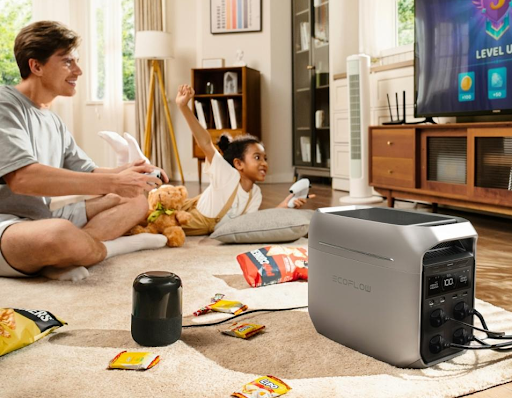
Portable power stations are efficient enough for camping, backup power, and mobile work, but their real output is always lower than the battery capacity printed on the box. The difference comes from energy conversion, internal electronics, and outside conditions that affect battery performance. In practical use, many units deliver roughly 80% to 90% of stored energy, with the exact figure depending on whether you run AC or DC devices and how heavily the station is loaded. Understanding where those losses occur helps you estimate runtime more accurately and choose better ways to use stored power in the field.
Where Efficiency Loss Comes From?
Inverter Conversion Losses
The biggest efficiency drop usually appears when a portable power station runs AC appliances through its inverter. Batteries store power as DC, but wall-style outlets need AC, so the system must convert one form into the other. That conversion is never perfect. Many quality units operate around 85% to 92% inverter efficiency under moderate loads, which means some energy becomes heat before it reaches your device. Light loads can be less efficient because the inverter still uses power to stay active. If you run a laptop charger, coffee maker, or small fan from an AC outlet, the actual usable battery capacity will be noticeably lower than the rated watt-hours shown in product specifications.
Standby Draw and System Overhead
Portable power stations also lose energy to internal operation, even when connected devices use very little power. The display, battery management system, cooling fans, voltage regulation circuits, and wireless features all consume electricity. This is often called standby draw or system overhead. It matters most during long, low-power sessions, such as charging phones overnight or running a router for many hours. In those cases, the station’s own electronics can account for a meaningful share of total energy use. Some models are better optimized than others, but every system has a baseline drain. Turning off unused output ports, disabling AC mode when not needed, and avoiding idle runtime can preserve more of the stored battery for actual equipment.
Factors That Change Efficiency Outdoors
Device Type and Power Demand
Efficiency in real use changes significantly with the kind of device you power. Resistive loads such as kettles, hot plates, and heaters draw high wattage continuously, which drains the battery quickly and pushes the inverter hard. Electronics like laptops, cameras, and LED lights usually need far less power, so the station can run them longer from the same battery. However, very small loads may still be inefficient on AC because fixed inverter overhead remains in the background. Devices with motors or compressors can also create short startup surges that increase strain on the system. To estimate runtime accurately, look beyond battery capacity and consider the appliance’s actual watt draw, startup behavior, and whether it can run from DC instead.
Temperature and Environmental Conditions
Outdoor conditions affect battery efficiency more than many users expect. Cold weather reduces available battery capacity because chemical reactions inside the cells slow down, so a station may deliver less runtime on a winter trip than it does at room temperature. Very high heat creates a different problem: the system may activate fans more often or reduce performance to protect the battery and electronics. Dust, moisture, and direct sun can also raise internal temperatures and increase system overhead. Uneven surfaces or poor ventilation around the unit may trap heat during heavy use. For best performance outdoors, keep the power station shaded, dry, and ventilated, and avoid charging or discharging it aggressively in temperature extremes whenever possible.

How to Improve Real Efficiency?
Using DC Outputs Instead of an AC Inverter
One of the simplest ways to improve real efficiency is to use DC outputs whenever your device supports them. Because the battery already stores DC power, a USB port, car socket, or regulated DC output can bypass the full DC-to-AC inversion step and reduce conversion loss. That usually means more of the stored energy reaches the device. This approach works especially well for phones, tablets, cameras, drones, routers, portable fridges, and many laptops that can charge through USB-C. It can also lower heat buildup and reduce fan activity inside the station. If your goal is maximum runtime, powering compatible electronics directly from DC is typically more efficient than plugging every charger into an AC outlet.
Matching Device Load to System Size
Portable power stations perform best when the connected load fits the system’s design range. Running a tiny device on a large inverter for hours can waste energy through fixed overhead, while pushing the station near its maximum output can increase heat and reduce overall efficiency. A balanced load usually gives the best real-world results. If you mainly power small electronics, choose a setup optimized for low and moderate draw rather than one built around heavy appliances. If you expect to run larger tools or kitchen devices, make sure the inverter and battery are sized for sustained demand, not only short bursts. Matching the load profile to the station helps preserve runtime, improve efficiency, and reduce unnecessary battery stress.
Conclusion
Portable power stations are generally efficient, but real usable energy is always lower than the rated battery capacity. Most losses come from inverter conversion, standby power use, and environmental stress, especially outdoors. In practical terms, users get the best efficiency by running DC devices directly, avoiding long idle periods, and matching power demand to the station’s size and operating range. If you account for those factors, runtime estimates become much more accurate. A portable power station can deliver reliable off-grid energy, but understanding its real efficiency is the key to using every stored watt more effectively.