Squat Proof Leggings Buying Guide for Every Workout
 Johnathan Parker |
July 9, 2026 |
7:56 pm
Johnathan Parker |
July 9, 2026 |
7:56 pm
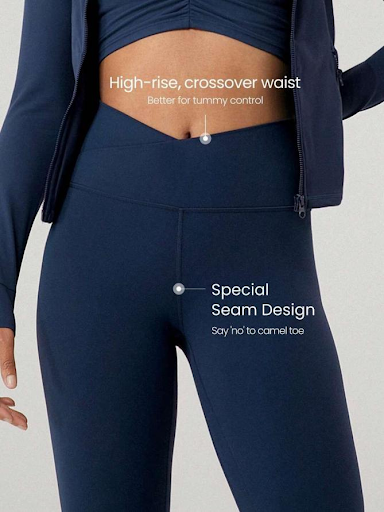
Squat proof leggings should stay opaque, supportive, and comfortable through every rep, stretch, and sprint. If fabric turns sheer under tension or the waistband shifts constantly, the leggings fail where performance matters most. A smart buying decision starts with understanding how material, fit, construction, and workout type affect coverage. The best pair is not only thick enough to prevent show-through, but also breathable, flexible, and secure enough for movement. This guide explains what actually makes leggings squat proof, how to match them to your training style, and what to check before ordering so you can buy with confidence and wear them without second-guessing.
What Makes Leggings Truly Squat Proof?
Fabric, Stretch, and Opacity That Matter
Fabric is the foundation of squat proof performance. Look for materials with a strong blend of nylon or polyester with enough elastane to stretch without losing density. A tightly knit fabric usually offers better opacity than a loosely woven one, even if both feel soft. Four-way stretch helps the leggings move evenly in every direction, reducing strain in one area that can cause sheerness. Matte finishes often hide stretch better than shiny fabrics, which can highlight thinning. Midweight to high-density materials tend to perform best because they balance coverage with breathability. The goal is simple: fabric that expands during movement, then snaps back without becoming transparent or baggy.
Fit, Compression, and Seam Design for Better Coverage
Even excellent fabric can fail if the fit is wrong. Leggings that are too small stretch beyond their intended range, making the material more likely to turn sheer across high-tension areas. A proper fit allows the fabric to contour the body without overextending. Moderate compression improves support and helps hold the knit close to the skin, which can enhance opacity and reduce shifting during training. Seam design also plays a major role. Flatlock seams help minimize friction and create a smoother fit, while a well-shaped gusset improves mobility and reduces pulling through the center. A supportive waistband keeps the leggings anchored during squats, bends, and transitions, preventing constant adjustments that disrupt comfort and coverage.
How to Choose Squat Proof Leggings for Different Workouts
Matching Leggings to Strength Training, Yoga, and Cardio
For strength training, choose Squat Proof Leggings with medium to high compression, a stable high-rise waistband, and dense fabric that stays opaque under load. These features support deep squats, lunges, and hinge movements while limiting slipping and bunching. For yoga and Pilates, prioritize soft four-way stretch, a smooth waistband, and flexible fabric that allows full range of motion without digging in during folds or floor work. Coverage still matters, but comfort and freedom of movement matter just as much. For cardio, look for lightweight squat proof leggings with moisture-wicking performance, breathable panels if available, and enough compression to stay secure during running, jumping, or interval training. The right pair should feel locked in without feeling restrictive.
Choosing the Right Rise, Length, and Features for Your Routine
Rise affects both comfort and support. High-rise leggings are usually the safest choice for training because they provide more core coverage, stay in place better, and pair well with bending, lifting, and fast movement. Mid-rise styles can work for lower-impact sessions if you prefer less coverage at the waist. Length also matters. Full-length leggings suit cooler conditions and gym sessions, while 7/8 styles can feel lighter and less restrictive for mixed training. Cropped lengths may work well for hot studios or intense cardio. Features should match your routine instead of adding bulk. A hidden waistband pocket is useful for small essentials, side pockets can help during walks or commutes, and a gusseted crotch improves mobility. If you train frequently, prioritize sweat-wicking fabric, durable seam construction, and a waistband that stays flat without rolling.
Buying Tips Before You Place an Order
Quality Checklist Before You Buy
Start with the fabric blend and confirm there is enough stretch fiber to support movement without sacrificing opacity. Check whether the product description mentions four-way stretch, moisture-wicking performance, compression level, or squat proof testing. Review the size chart carefully and compare it with your actual waist and hip measurements rather than guessing from your usual size. Read customer reviews for comments about transparency in darker and lighter colors, waistband stability, and durability after washing. Zoom in on product images to inspect seam placement and waistband width. If care instructions seem demanding or vague, that can be a warning sign. Reliable squat proof leggings should clearly communicate fit, fabric function, and intended training use.
Where to Shop for Reliable Squat Proof Leggings
Shop from retailers or brands that provide full product specifications, multiple fit images, transparent return policies, and detailed sizing support. Clear information usually signals a more dependable buying experience. Prioritize listings that explain fabric composition, rise, inseam, compression feel, and performance features instead of using only style-focused language. Helpful customer service also matters, especially if you are between sizes or choosing leggings for a specific workout. Reviews with notes about lifting, yoga, or running can be especially useful because they show how the leggings perform in real conditions. If a product page avoids concrete details and relies on vague claims, keep looking. Trustworthy sellers make it easier to compare options, verify quality, and order with less risk.
Conclusion
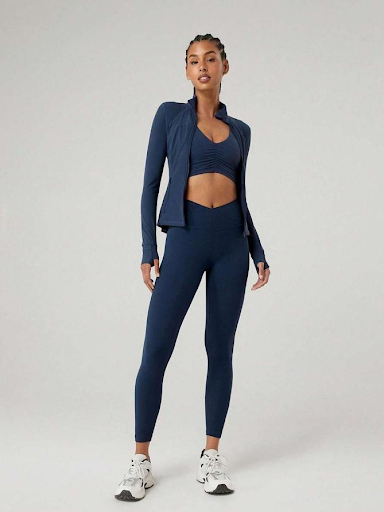
Squat proof leggings are worth choosing carefully because performance depends on more than appearance. The best pairs combine dense, flexible fabric with a fit that supports movement, stays in place, and keeps coverage consistent under tension. When you understand how opacity, compression, seams, rise, and workout demands work together, it becomes much easier to spot a reliable option. Strength training usually benefits from firmer support, yoga calls for softness and flexibility, and cardio needs breathable security that holds up through motion and sweat. Before you place an order, check the fabric blend, read the size chart closely, inspect construction details, and use reviews to confirm real-world performance. A well-chosen pair of squat proof leggings lets you train confidently, move freely, and focus on your workout instead of worrying about transparency or constant adjustments.