The Driving Habits That Cause the Most Crashes on Houston Freeways
 Johnathan Parker |
July 9, 2026 |
2:28 pm
Johnathan Parker |
July 9, 2026 |
2:28 pm
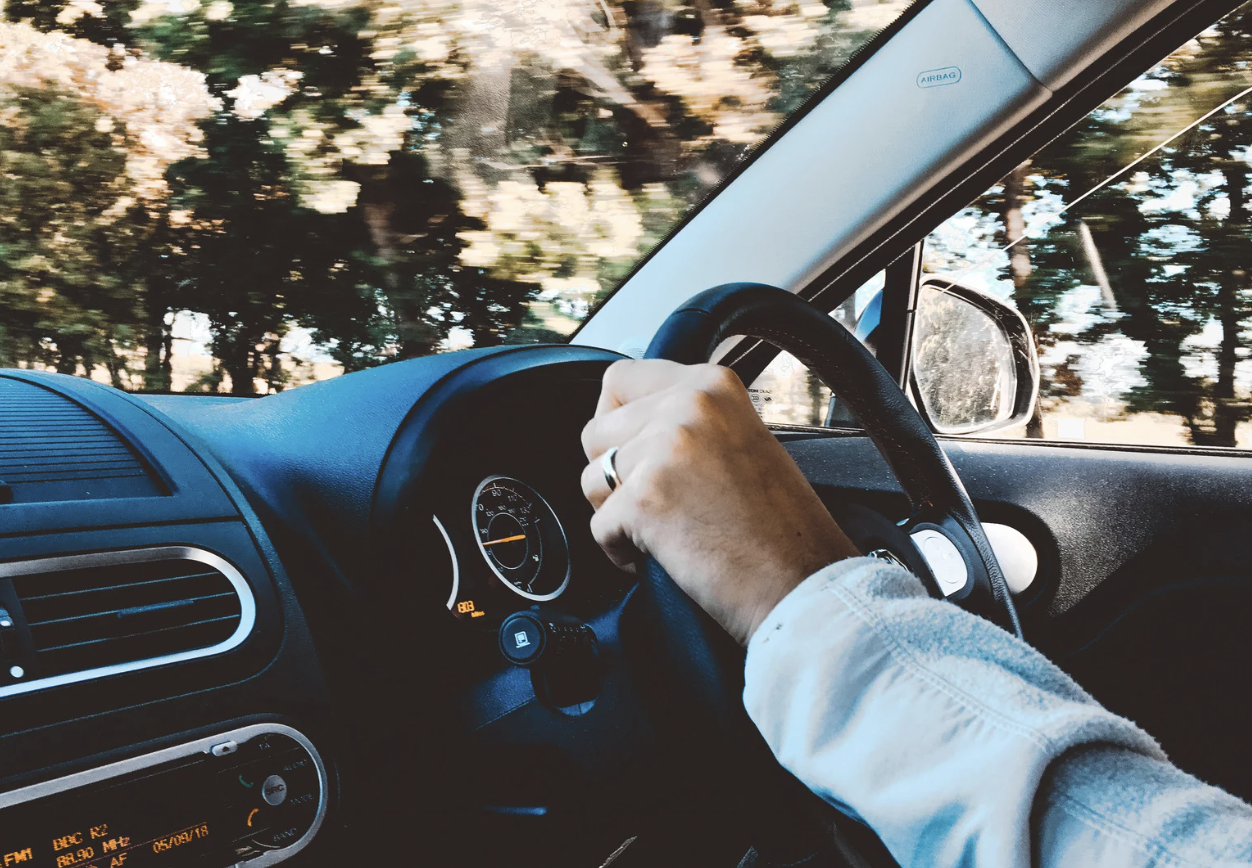
Houston drivers deal with some of the busiest freeway systems in the country. Interstate 10, Interstate 45, and Loop 610 carry heavy traffic every day, and certain driving habits show up again and again in local crash reports. Understanding these patterns helps drivers protect themselves before a crash happens, not just after one.
Recognizing which driving behaviors most often contribute to serious crashes can help motorists identify risks before they become emergencies. For people researching the legal consequences of these collisions, firms such as Sutliff & Stout, whose Houston car accident attorneys regularly investigate crashes involving these roadway conditions, have seen how the same factors repeatedly influence both liability and injury claims.
Tailgating and Sudden Braking
Following too closely is one of the most common causes of freeway crashes. When traffic slows suddenly, a driver who is tailgating has almost no time to react. This is a major reason rear-end collisions are so frequent on high-speed roads. A gap of at least three seconds between vehicles gives a driver enough time to respond safely to sudden braking ahead.
Heavy freeway traffic in Houston often moves in stop-and-go patterns during rush hour. Drivers who stay alert to brake lights several cars ahead, not just the car directly in front, tend to avoid these pile-up situations.
Distracted Lane Changes
Changing lanes without checking blind spots causes a large share of sideswipe crashes. Phones are a major distraction here. A driver glancing down for even two seconds at highway speed covers a significant distance without looking at the road. Many crashes on Loop 610 and the Sam Houston Tollway happen during lane changes made too quickly or without a full mirror check.
Speeding in Construction Zones
Houston has ongoing freeway construction in multiple corridors most years. Reduced lanes and shifted traffic patterns catch some drivers off guard, especially those who do not slow down early enough. Construction zone crashes tend to involve higher speeds than average, which increases the severity of injuries.
Why Local Knowledge Matters After a Crash
According to 2024 Texas Department of Transportation data, Texas recorded 4,150 traffic deaths that year, a decrease of about three percent from 4,291 deaths in 2023. The same data shows that one traffic-related injury occurred roughly every two minutes statewide. Harris County remains one of the busiest counties in Texas for both car and commercial vehicle crashes.
From the local community perspective, our team has spent years reviewing crash patterns specific to Houston freeways, which helps identify whether a construction zone, a known merge point, or a repeat problem intersection played a role in a particular collision.
Building Better Driving Habits
Small changes reduce risk significantly. Leaving earlier to avoid rushing, keeping a safe following distance, and putting the phone out of reach while driving all lower the chance of being involved in a crash. Drivers who stay aware of freeway patterns specific to their daily route are often better prepared to react safely when traffic conditions change without warning.
Understanding these local patterns is not about assigning blame ahead of time. It is about giving drivers a realistic picture of where risk is highest, so they can adjust their habits before a crash happens rather than after one.
Weather Adds Another Layer of Risk
Houston weather shifts quickly, and sudden rain is one of the more overlooked hazards on local freeways. Roads that have gone weeks without heavy rain can become especially slick during the first few minutes of a storm, since oil and debris have not yet washed away. Visibility also drops fast during heavy downpours, which are common during the spring and hurricane season months.
Drivers who slow down early when rain starts, rather than waiting until visibility is already poor, give themselves far more reaction time. Increasing following distance during wet conditions is one of the simplest adjustments a driver can make, yet it is one of the most commonly skipped.
Merge Points Create Repeat Problem Areas
Certain merge points around Houston see a disproportionate number of crashes year after year, often because of short merge lanes or heavy commercial truck traffic mixing with commuter vehicles. Interchanges where two major freeways meet, such as sections of Interstate 10 and Loop 610, are known for this pattern.
Drivers unfamiliar with a specific merge point are more likely to hesitate or merge too late, which increases the chance of a sideswipe or rear-end collision. Learning the layout of a regular commute route, including where lanes narrow or merge unexpectedly, reduces this kind of risk considerably.
Why Reviewing Local Crash Data Matters
Public crash data broken down by intersection and highway segment is available through Texas Department of Transportation reporting tools. Reviewing this data for a specific commute route can reveal patterns a driver might not notice just from daily experience, such as a particular exit ramp with a high frequency of rear-end crashes during evening rush hour.
This kind of awareness does not eliminate risk entirely, but it does help drivers anticipate trouble spots before they become part of a statistic themselves.
How Commercial Truck Traffic Changes Freeway Risk
Houston’s role as a major shipping and logistics hub means commercial trucks make up a significant share of freeway traffic, especially on routes connecting the Port of Houston to major distribution centers. Sharing the road with large trucks changes the risk profile for everyday drivers in ways that are easy to overlook.
Trucks require much longer stopping distances than passenger vehicles, and their blind spots are considerably larger. A driver who lingers next to a truck’s side, rather than passing quickly or dropping back, spends unnecessary time in an area the truck driver may not be able to see clearly. Understanding this single detail changes how many drivers choose to position themselves around large commercial vehicles on the freeway.
Why Time of Day Changes the Crash Picture
Crash patterns in Houston shift noticeably depending on the time of day. Morning and evening rush hours bring heavier stop-and-go traffic and more rear-end collisions, while late-night hours see fewer crashes overall but a higher share involving impaired or fatigued driving. Weekend nights in particular see an increase in alcohol related crashes compared to weekday averages.
Recognizing which risk applies at a given time of day helps drivers adjust their attention accordingly, staying alert to sudden braking during rush hour and staying alert to erratic driving behavior late at night.