Why Skid Steer Loaders Are A Smart Investment For Small Business Owners
 Ava Thompson |
August 11, 2025 |
4:32 pm
Ava Thompson |
August 11, 2025 |
4:32 pm
Introduction
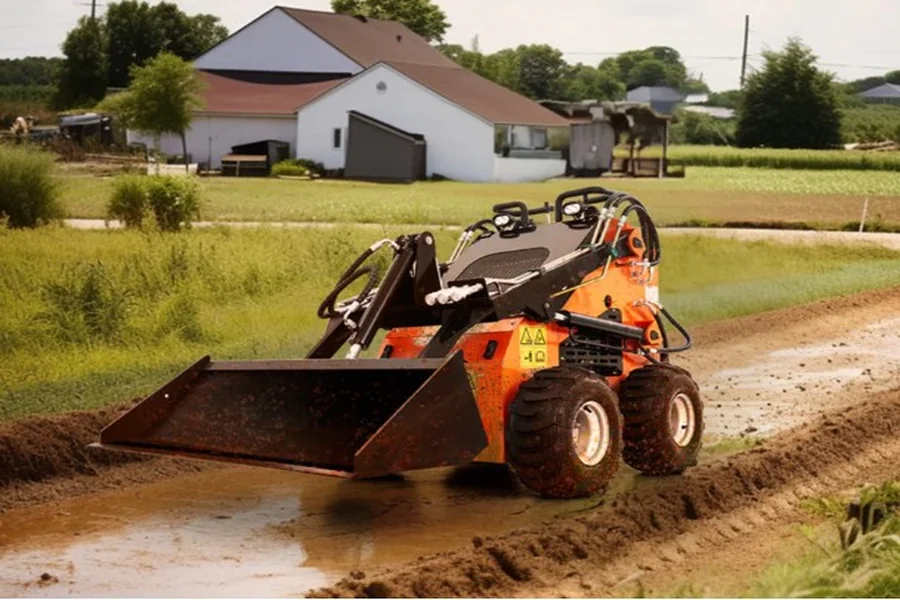
If you run a small business in construction, landscaping, farming, or property maintenance, you’ve probably faced the challenge of needing powerful equipment without breaking your budget. That’s where the skid steer loader comes in—a compact, versatile workhorse that can handle an impressive range of tasks.
Far from being a niche tool, a skid steer loader can be one of the smartest investments you make, helping you cut costs, boost productivity, and unlock new revenue opportunities.
What Makes Skid Steer Loaders Unique
The secret to the skid steer loader’s popularity lies in its combination of power, flexibility, and efficiency.
- Compact size + powerful performance – These machines can maneuver through tight job sites and urban areas where larger equipment can’t fit, all while delivering high lifting and pushing power.
- Attachment versatility – Whether you’re using a bucket for loading, an auger for drilling, or a pallet fork for moving supplies, the quick-attach system allows you to switch tasks in minutes.
- All-season capability – From clearing snow in the winter to moving soil in the summer, skid steer loaders work year-round.
If you’re looking for a model that balances durability with ease of operation, AHM skid steer loaders are a solid choice. Built with robust components and a user-friendly design, they handle tough jobs while keeping maintenance simple—making them a reliable partner for any small business.
Cost-Effectiveness for Small Business Owners
Skid steer loaders pack a lot of value into a relatively low price point compared to larger machines.
- Lower initial investment – Especially when buying used or financing, they’re far more affordable than heavy construction equipment.
- Fuel and operating efficiency – Smaller engines mean lower fuel consumption without sacrificing power.
- Extra income potential – When you’re not using the machine, you can rent it out to other contractors or homeowners.
- Fewer machines needed – One skid steer with the right attachments can replace several single-purpose machines.
Boosting Productivity and Project Turnaround
When you can swap attachments in minutes, you minimize downtime and keep projects moving forward.
- Faster completion times mean you can take on more jobs each month.
- Less manual labor reduces fatigue for you and your crew.
- Multi-tasking lets you tackle several types of work on the same site without hauling in extra equipment.
AHM skid steer loaders make it even easier, especially when it comes to businesses that are keen on efficiency. Their faster quick-attach system and consistent hydraulic behavior mean that every change of attachment is fast and safe–meaning you spend less time switching, more time working.
Expanding Business Opportunities
With the right attachments, your service list can grow quickly:
- Landscaping: grading, mulching, trenching, and planting.
- Construction: debris removal, material hauling, and site prep.
- Property maintenance: snow removal, brush clearing, and even small-scale demolition.
The more services you can offer, the more competitive you become—and the more clients you attract.
Longevity and Return on Investment (ROI)
A well-maintained skid steer loader can serve your business for years.
- Durability – Built to handle tough jobs daily.
- Resale value – Quality machines hold their value, making them easier to sell or trade in later.
- ROI potential – With consistent use, many small business owners recover their investment within a year or two through increased job volume and reduced labor costs.
Financing and Ownership Options
You don’t have to buy brand new to get the benefits.
- Leasing can keep upfront costs low while still giving you access to modern features.
- Buying used is a smart option if you choose a well-maintained model from a reputable dealer.
- Financing programs and grants may be available for small business owners in certain industries.
Maintenance and Operating Tips for Maximum Value
A little care goes a long way toward protecting your investment.
- Perform regular inspections before and after each use.
- Keep up with scheduled servicing to prevent costly breakdowns.
- Provide operator training to ensure safe and efficient handling.
- Track machine hours to schedule maintenance at the right intervals.
Conclusion
A skid steer loader is not just a machine to small business owners, it is a multi-tasking machine that helps keep your costs down, increases productivity and also drives growth to your businesses. Having made the decision to increase your range of services, accelerate the rate at which your workflow is managed or even to do more with less, then making the investment in a skid steer loader is a wise choice that can give a good ROI even years down the line.