Why High-Quality Home Features Can Be A Smart Long-Term Investment
 Johnathan Parker |
August 14, 2026 |
11:31 am
Johnathan Parker |
August 14, 2026 |
11:31 am
Home improvement decisions are often shaped by immediate concerns such as budget, appearance, and convenience. However, homeowners who plan to remain in a property for several years can benefit from looking beyond the initial purchase price and considering how different features will perform over their entire lifespan.
High-quality home features may cost more upfront, but durability, functionality, maintenance requirements, and timeless design can make them financially sensible over time. From kitchen fixtures and furniture to flooring and outdoor features, investing strategically can help homeowners create spaces that continue to perform without requiring frequent replacement.
Looking Beyond The Initial Price
It is natural to compare products based on their price tags, particularly during a renovation when numerous expenses can quickly accumulate. The cheapest option is not necessarily the most economical, though, especially if it wears out, becomes dated, or needs repairs within a relatively short period.
A more useful approach is to consider the total cost of ownership. A fixture that costs twice as much but lasts three or four times longer could ultimately represent better value, particularly when replacement labor and installation expenses are included.
Quality does not mean homeowners need to choose the most expensive product in every category. Instead, it means identifying the areas where durability and performance have the greatest effect on everyday life and directing more of the available budget toward them.
Prioritizing Hardworking Areas Of The Home
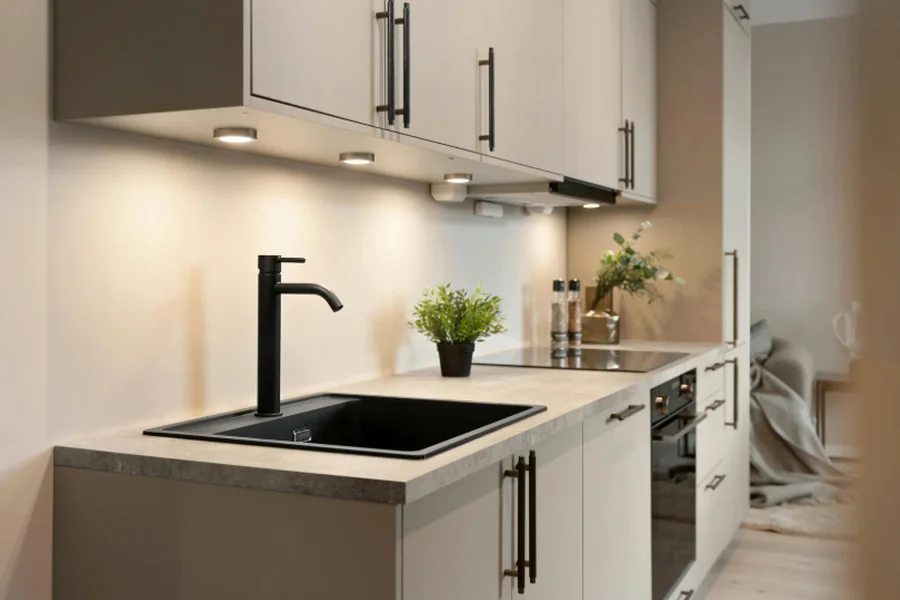
Kitchens and bathrooms are obvious places to prioritize quality because their fixtures experience heavy daily use. Sinks, faucets, countertops, range hoods, tubs, and cabinetry all need to cope with moisture, heat, cleaning products, spills, and frequent physical contact.
Investing in durable materials can therefore make sense in these hardworking spaces. Products made from metals such as copper and stainless steel, quality stone, solid wood, and other resilient materials can often provide a longer useful life when properly selected and maintained.
The same principle can apply to outdoor living areas. Tables, planters, fire features, and other permanent or semi-permanent additions need to withstand environmental conditions, making construction quality particularly important when choosing pieces intended to remain outdoors for years.
Choosing Materials With Longevity In Mind
Material selection has a significant influence on how well a home feature ages. Some materials are designed to develop character over time, while others may show damage or deterioration relatively quickly when exposed to everyday wear.
Metal is one example of a material that can combine durability with visual impact when used appropriately. Companies such as WorldCopperSmith offer home features ranging from sinks and range hoods to furniture and outdoor pieces, illustrating how materials such as copper and other metals can be incorporated throughout residential spaces.
Natural materials can also offer advantages because small signs of age may become part of their appearance rather than immediately making them look worn out. Homeowners should still research maintenance requirements carefully, as even durable materials perform best when they receive appropriate care.
Avoiding The Cost Of Frequent Replacements
Replacing a home feature involves more than purchasing another product. Depending on the item, homeowners may also need to pay for removal, delivery, professional installation, plumbing, electrical work, refinishing, or disposal.
These additional costs can make repeated replacement surprisingly expensive. Choosing a well-made feature that remains functional for a longer period can reduce the likelihood of paying those associated expenses several times.
There is also a practical benefit to avoiding frequent renovation work. Living through repeated repairs and installations can disrupt routines, particularly in essential spaces such as kitchens and bathrooms, so longevity has value beyond the numbers on a household budget.
Balancing Timeless Design With Current Trends
Interior trends can provide inspiration, but designing an entire home around short-lived fashions may create additional costs later. A highly distinctive feature that feels current today could make a room appear dated if tastes change dramatically within a few years.
For expensive or difficult-to-replace elements, homeowners can often benefit from choosing designs that have lasting appeal. Personality can then be introduced through paint, artwork, textiles, lighting accessories, and decorative objects that are comparatively inexpensive to update.
This does not mean permanent features need to be boring. Distinctive craftsmanship, interesting materials, thoughtful proportions, and subtle texture can create visual impact without depending entirely on whatever style happens to be popular at the moment.
Considering Customization As Part Of The Investment
Standardized products are convenient, but they do not always make the most effective use of a particular room. A poorly sized table, sink, range hood, or piece of built-in furniture can create practical compromises that homeowners end up dealing with every day.
Customized features can sometimes solve these problems by responding to the space’s dimensions and needs. Although customization may increase the initial cost, a feature that fits correctly and serves its intended purpose can remain useful even as other decorative elements around it change.
Careful planning is particularly important before ordering anything bespoke. Accurate measurements, realistic expectations, material samples, and an understanding of maintenance can help ensure the finished feature provides genuine long-term value rather than simply adding expense.
Supporting Everyday Functionality
A successful home investment should make daily life easier and improve appearance. Features that are comfortable, practical, easy to clean, and suited to the household’s routines are more likely to provide value year after year.
For example, a well-designed kitchen workspace can make cooking and cleaning more efficient, while effective ventilation can help manage heat, odors, and airborne cooking residue. Similarly, comfortable furniture and thoughtfully designed outdoor areas can encourage household members to use more of the available living space.
This is why function should be considered alongside aesthetics when comparing products. A beautiful feature that constantly creates inconvenience is unlikely to feel like a good long-term investment.
Thinking About Future Buyers
Homeowners should primarily renovate for their own needs, but resale value can still form part of the decision-making process. Buyers often notice the condition of kitchens, bathrooms, flooring, fixtures, and other prominent features when comparing properties.
Well-maintained, durable elements can contribute to an impression that a home has been cared for thoughtfully. While no individual sink, table, bathtub, or range hood can guarantee a higher sale price, quality throughout a property may reduce the number of obvious upgrades a future buyer feels are necessary.
It is equally important to avoid assuming every expensive improvement will deliver a financial return. Location, market conditions, overall property condition, and buyer preferences all influence value, so renovation spending should remain proportionate to the home and neighborhood.
Making Quality Part Of A Long-Term Strategy
The smartest approach to home improvement is rarely to spend heavily on everything. Homeowners can instead identify which features are used most, are the most expensive to replace, or have the greatest influence on a room’s functionality.
Investing more in those areas while saving on easily replaceable decorative elements can create a balanced budget. Researching materials, warranties, maintenance requirements, construction methods, and expected lifespan before purchasing can also make it easier to distinguish genuine quality from a premium price tag.
Creating A Home That Ages Well
High-quality home features can be a smart long-term investment when they combine durability, useful design, and an appearance that can adapt to changing tastes. The goal is not simply to create a home that looks impressive immediately after a renovation, but one that continues to function effectively many years later.
By considering lifetime costs rather than purchase prices alone, homeowners can make more informed decisions about where their money will have the greatest impact. Thoughtful investments in hardworking features can mean fewer replacements, less disruption, and a home that remains enjoyable and practical well into the future.