What Gutter Overflow Can Tell You About Your Home
 Johnathan Parker |
October 25, 2026 |
10:45 pm
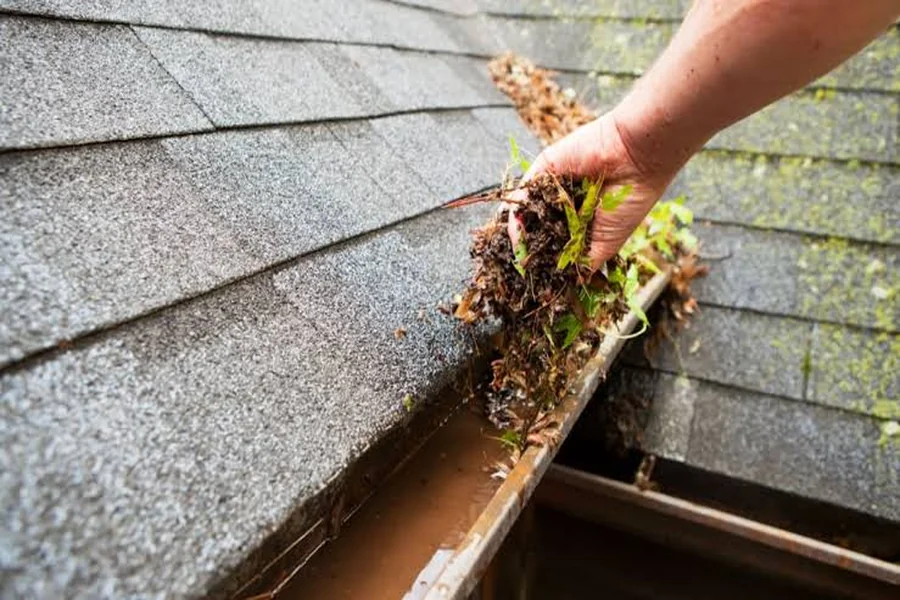
Water spilling from a gutter is an observation worth describing carefully. It may appear at an outlet, run down a particular corner, or fall in a broad sheet along the roof edge. Those patterns help frame an inspection, but they do not identify the fault on their own.
For a Fort Worth homeowner, a useful first response is to gather information from a sheltered, safe location and arrange an assessment. Resist the temptation to pick a repair before someone has examined the system. A clear account of what happened can be more valuable than a confident guess about why.
Describe the location before naming the problem
Use fixed landmarks when recording overflow. “Above the kitchen window” or “at the rear garage corner” gives a contractor a repeatable location. If possible, distinguish water coming over the front edge from water appearing behind the gutter. Explain whether the issue occurred at one spot or across a longer run.
Note the circumstances too. Had branches recently fallen? Was work being done on the roof? Has the same spot overflowed before? You do not need exact rainfall measurements to provide a useful history. Ordinary observations can help narrow the next questions.
When comparing gutter cleaning fort worth tx options, Grizzly Brothers Gutters’ cleaning page provides a relevant local reference. Homeowners can make that inquiry more productive by explaining where water escaped and asking whether the visit includes inspection beyond basic debris removal.
Understand the possible inspection paths
A contractor may begin by checking for debris, restricted outlets, displaced fittings, or a gutter that no longer follows its intended alignment. The important point for the homeowner is that these possibilities call for different responses. Cleaning, adjustment, and component replacement should not be treated as interchangeable purchases.
Consider a hypothetical rear corner where overflow returns soon after service. The next question is what the previous visit actually established. Was debris removed only from the open channel? Was the downspout assessed? Was the outlet observed afterward? A precise service record helps the next inspector avoid repeating work without learning anything.
Ask for findings that connect the proposed action to the observed condition. A photograph of an obstructed outlet supports a different recommendation from a photograph of a detached bracket. If the explanation remains uncertain, the quote should say so rather than present a possibility as a confirmed diagnosis.
Watch the full route from roof edge to outlet
A gutter is part of a route. When discussing the problem, ask the contractor to explain where water is intended to go after it leaves the roof edge and where that path can be inspected. A visible downspout may disappear into a buried pipe, which introduces a separate section of the drainage system.
Do not assume that cleaning the gutter also evaluates that underground section. Ask whether the contractor’s work stops at the downspout, includes accessible connections, or extends further. If another specialist is needed, request a clear description of the handoff.
A simple sketch can help. Mark gutter runs, downspouts, and the location where trouble was seen. Add question marks at concealed connections rather than drawing an imaginary route. The sketch is a discussion aid, so accuracy about what is unknown matters more than artistic detail.
Gather useful evidence without creating a hazard
A ground-level photograph taken after conditions settle may show displaced parts or remaining debris. A short video from a protected viewpoint can sometimes document the water pattern. There is no need to move into an exposed location simply to obtain a better angle.
OSHA’s stepladder safety guidance advises maintaining three points of contact while climbing and descending. Elevated gutter work adds access decisions that are better handled with suitable equipment and competent planning. Avoid treating a quick look from a household ladder as a necessary step before calling for help.
Keep children and pets away from active work areas when the crew arrives. Mention any known access limitations in advance, especially narrow passages, unstable surfaces, or overhead obstructions. Good information lets the contractor decide how to inspect safely and what equipment to bring.
Ask for an explanation you can evaluate
The best questions focus on evidence and scope:
- What condition was found at the location where water escaped?
- Which parts were directly inspected, and which remain concealed?
- Does the proposed work address a confirmed issue or test a possibility?
- What is included in the initial price?
- How should the result be checked after the work?
These questions are useful even when the repair appears small. They give the homeowner a basis for comparing recommendations and help the contractor describe limitations. A written scope can also identify which changes require separate approval.
If two quotes propose different solutions, compare the underlying findings before comparing prices. One may include only cleaning while another includes replacement of a damaged run. Ask each contractor to explain the difference in terms of observed conditions, not general statements about quality.
Verify the outcome in stages
Completion should include a description of the work performed and any remaining concerns. Ask whether the crew checked flow where practical and whether photographs are available. If weather prevents meaningful observation, record that limitation and agree on a sensible follow-up.
At the next suitable opportunity, note whether water behaves differently at the original location. A repeat problem is information to share with the contractor, not proof that every part of the previous work was unnecessary. Hidden restrictions or multiple defects can require further investigation.
Keep the comparison focused. Use the same landmark and describe the same behavior you recorded initially. “No spill above the kitchen window during the next rain” is useful. “Everything looks better” is harder to act on if the symptom returns later.
Use overflow as a prompt for better maintenance
Once the immediate issue has been assessed, ask whether any maintenance changes are warranted. The answer might involve more attention to a particular section, a separate drainage inspection, or monitoring after nearby trees are trimmed. Let the finding determine the next step.
Overflow does not have to trigger an expensive purchase made under pressure. Describe it, establish the scope of inspection, and ask for a recommendation supported by what was actually found. That approach gives homeowners a clearer path from visible symptom to practical action.