Should Cats Eat Raw Meat? Think Twice Before You Try It
 Johnathan Parker |
August 25, 2025 |
12:05 pm
Johnathan Parker |
August 25, 2025 |
12:05 pm
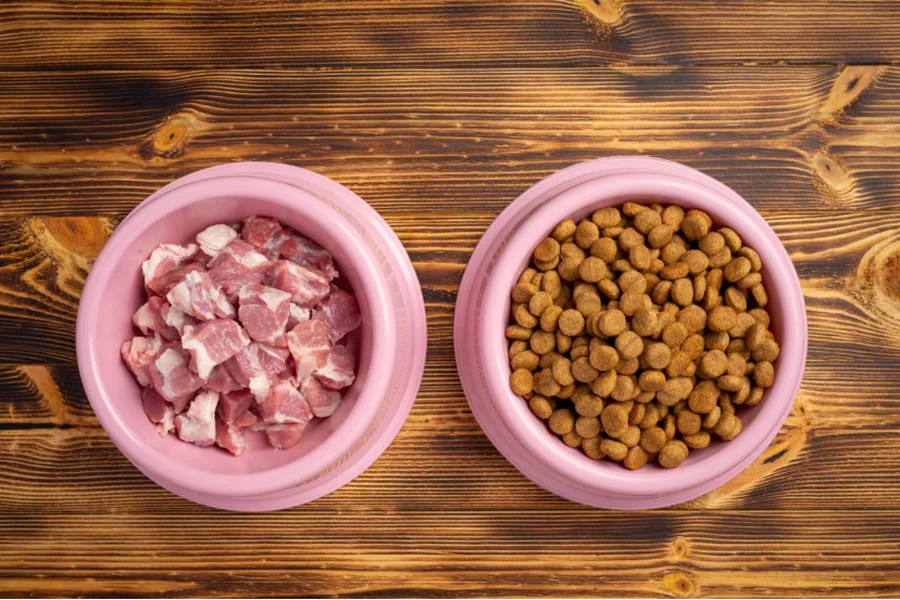
Feeding raw meat to cats sounds instinctive. After all, they’re hunters by nature, and raw meat seems to match their wild roots. But domestic life is very different from the wild, and what looks like a healthy choice on the surface could come with serious risks.
Bacteria, nutritional imbalances, and long-term health effects are often overlooked in the excitement of a “natural” diet. Before making the switch, it’s important to look deeper. Is raw meat for cats really the best option, or could it cause more harm than good?
Why Meat Is Critical in Feline Nutrition
Cats are obligate carnivores, which means their bodies are built to rely on nutrients found almost exclusively in animal flesh. Meat for cats provides essential elements like taurine, protein, and amino acids, all of which are critical for a cat’s survival and long-term health.
Taurine, in particular, plays a central role in supporting clear vision and a properly functioning heart. Protein fuels muscle development and daily energy needs, while specific amino acids contribute to skin health and a shiny, resilient coat.
Some people assume that only raw meat for cats can deliver these benefits, but that’s not the case.
Cooked or lightly processed meat can still offer all these nutrients if it’s prepared correctly. The key is using high-quality cuts, avoiding harmful additives, and ensuring the right balance of ingredients. With thoughtful preparation, cooked meat remains a safe and nutritious choice for cats.

The Problem with Raw Meat for Cats
Despite the appealing idea of feeding a biologically “natural” diet, offering raw meat to cats presents several significant challenges and risks.
- Bacterial Contamination Risks: Raw meat for cats can harbor dangerous pathogens like Salmonella and E. coli. These bacteria pose a threat not only to your cat’s health, potentially causing severe gastrointestinal illness, but also to humans in the household through cross-contamination.
- Nutritional Imbalance: Crafting a nutritionally complete and balanced homemade raw diet is extremely difficult without expert knowledge. Deficiencies or excesses of certain essential vitamins and minerals can lead to serious long-term health problems for your cat.
- Lack of Veterinary Recommendation: It’s important to note that most veterinarians and feline nutritionists do not recommend feeding raw meat diets to cats. Their professional guidance is based on extensive research and clinical experience, highlighting the substantial risks involved.
So, to answer the question directly, “Should cats eat raw meat?” — the short answer is generally NO, despite the good intentions behind considering such a diet. The potential dangers often outweigh the perceived benefits.
The Search for Safer Alternatives
Given the significant risks associated with feeding raw meat, both homemade and commercially prepared, many cat owners are left searching for safer ways to provide their feline companions with a meat-rich diet. The desire to offer optimal nutrition, aligning with a cat’s carnivorous nature, is understandable.
However, traditional processing methods for cat food, while addressing safety, can sometimes alter the natural integrity of ingredients or reduce certain nutrient levels. This often leads to the dilemma: how can we offer the benefits of a meat-heavy diet without compromising on safety or nutritional completeness?
The answer lies not in abandoning meat, but in innovating how it is incorporated into their food. This is where advanced technologies come into play, offering solutions that retain the goodness of meat while eliminating harmful elements.
The Better Way: FAMSUN’s High Fresh Meat Injection Technology
The quest to provide cats with a meat-rich diet, while simultaneously guaranteeing safety and complete nutrition, has spurred significant innovation in pet food manufacturing. FAMSUN’s High Fresh Meat Injection Technology offers a sophisticated solution to this challenge.

Here’s how this advanced approach addresses the complexities of feline nutrition:
- Optimized Nutrient Retention: This technology involves grinding and emulsifying fresh meat at non-denaturing temperatures. FAMSUN’s technology involves emulsifying fresh meat at 4-15°C, followed by vacuum chopping and DDC conditioning. The slurry is injected into extruders achieving 135°C/30bar for 3 seconds, eliminating pathogens while retaining 95%+ heat-sensitive nutrients.
- Enhanced Safety Profile: Unlike raw meat diets, which carry inherent risks of bacterial contamination from pathogens like Salmonella and E. coli, extruded pet food provides a far safer alternative.
- Nutritional Completeness: High fresh meat extruded pet food, as a full-price formula, offers comprehensive and stable nutrition, eliminating the imbalance issues often found in homemade raw diets.
- Achieving High Fresh Meat Levels: FAMSUN has pioneered the achievement of “ultra-high” fresh meat levels in extruded pet food. Their technology has enabled the incorporation of fresh meat slurry at ratios exceeding 128% compared to the dry mix rate in certain applications.
Contact FAMSUN to learn more about how advanced pet food technology can benefit cats’ health!