Hit While Walking in Manhattan, Kansas? Know Your Legal Rights
 Johnathan Parker |
November 2, 2026 |
2:05 pm
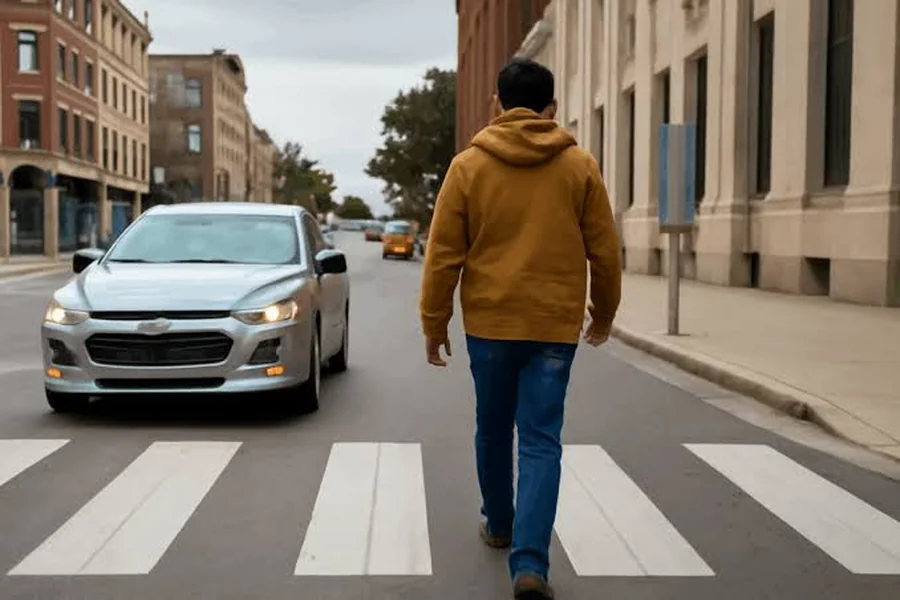
Walking to class, crossing the street after dinner, or heading to your car in a parking lot should not end in a trip to the emergency room. Yet pedestrians have almost no protection when a vehicle hits them, and even a low-speed crash can cause broken bones, head trauma, or injuries that last a lifetime. In the days that follow, injured walkers often face medical bills, missed work, and an insurance company eager to question what happened.
Understanding your rights early can make a big difference in how your recovery and claim unfold. A Manhattan, KS pedestrian accident attorney can explain how Kansas law treats these crashes and who may be responsible. This guide covers right-of-way rules, insurance coverage, shared fault, and the steps that protect your claim.
Who Has the Right of Way in Kansas?
Kansas traffic law gives pedestrians strong protection in crosswalks. When no traffic signal is in place or working, drivers must slow down or stop to let a pedestrian cross within a marked crosswalk or an unmarked crosswalk at an intersection. Drivers also may not pass a car that has stopped to let someone cross, since that is a common way pedestrians get hit.
Pedestrians have duties too. Someone crossing outside a crosswalk generally must yield to vehicles, and walkers should not suddenly step into the path of a car that is too close to stop. Even so, Kansas law requires every driver to use due care to avoid hitting a pedestrian, so a person who crossed in the wrong place may still have a valid claim if the driver was speeding, distracted, or not paying attention.
Common Causes of Pedestrian Crashes
Distracted driving. A driver glancing at a phone for just a few seconds can travel the length of a football field without watching the road, which is more than enough time to miss someone stepping into a crosswalk. Texting, adjusting a GPS, and eating behind the wheel all pull attention away from people on foot.
Turning vehicles. Drivers making left or right turns at intersections often focus on oncoming cars and fail to notice people crossing in front of them. Right turns on red are especially risky, since drivers tend to look left for traffic and never check the crosswalk to their right.
Speeding and poor visibility. Higher speeds give drivers less time to react and make injuries far worse. Nighttime, rain, and poorly lit streets also make pedestrians harder to see.
Backing up and parking lots. Many people are hurt by vehicles reversing out of parking spaces or driveways, especially children and older adults who are harder to see.
The NHTSA pedestrian safety page shares national data on these risks along with safety tips for both drivers and people on foot. Knowing the most common causes can also help point investigators toward the right evidence after a crash.
Insurance Coverage When You Are Hit on Foot
Kansas is a no-fault auto insurance state, and that system can apply even when you were walking rather than driving. In many cases, a pedestrian who owns a car can turn to their own personal injury protection coverage for early medical bills and lost wages. Pedestrians without their own policy may be able to claim these benefits through the insurance of the vehicle that struck them.
Those benefits are limited and often do not cover the full cost of a serious injury. Once medical expenses pass the state threshold, or if the injury is permanent or involves certain fractures, the injured person can usually pursue a claim against the driver for the rest of their losses, including pain and suffering. If the driver had little or no insurance, uninsured or underinsured motorist coverage may also help.
When the Driver Says You Were to Blame
Insurance companies often argue that the pedestrian caused the crash by crossing mid-block, wearing dark clothes, or looking at a phone. Under Kansas comparative fault rules, you can still recover as long as your share of the blame is less than 50 percent, but your award is reduced by your percentage. For example, if a jury values your claim at $200,000 and finds you 25 percent at fault for crossing outside a crosswalk, you would receive $150,000.
Because small shifts in fault can change the outcome, evidence matters a great deal. Traffic and business security cameras, doorbell videos, witness statements, the police crash report, vehicle damage, and the driver’s phone records can all help show what really happened. Much of this evidence disappears within days or weeks, so it is important to act quickly to preserve it.
Walking Safely in Manhattan, Kansas
Manhattan is a college town at heart, home to Kansas State University and thousands of students who walk, bike, and scooter to class every day. Foot traffic is especially heavy around campus and in Aggieville, the popular shopping and nightlife district, where crowds spill into the streets on game days and weekend nights. Busy roads such as Anderson Avenue, Bluemont Avenue, Tuttle Creek Boulevard, and Fort Riley Boulevard also carry steady traffic, including soldiers and families traveling to and from nearby Fort Riley.
That combination of students, visitors, and commuters creates real risks for people on foot, particularly at night and during big events. Crashes in the city are typically handled by the Riley County Police Department, and injury lawsuits are usually filed in the Riley County District Court. Getting a copy of the police report and knowing which local cameras may have captured the crash can be an important early step.
Steps to Take After Being Hit by a Vehicle
Your health always comes first, but the choices you make soon after a crash can protect your claim. If you are physically able, keep these steps in mind:
- Call 911 and make sure police come to the scene to file a report
- Accept medical care, even if you feel okay, since some injuries show up later
- Get the driver’s name, insurance details, and license plate number
- Take photos of the scene, crosswalk, traffic signals, and your injuries
- Ask nearby businesses or homeowners whether their cameras recorded the crash
- Write down everything you remember while it is fresh in your mind
Kansas generally allows two years from the date of the injury to file a lawsuit, but waiting that long can make evidence harder to find. Starting early gives you the best chance of building a complete case.
Key Takeaways
Pedestrian accidents can leave people with painful injuries and an uncertain future, but Kansas law offers real paths to recovery. Keep these points in mind as you move forward:
- Drivers must yield to pedestrians in crosswalks and use due care to avoid hitting anyone on foot
- No-fault insurance may cover early costs, but serious injuries often allow a claim against the driver
- You can still recover if you share some blame, as long as you are less than 50 percent at fault
- Evidence like video and witness statements fades fast, so act quickly
Taking care of your health, protecting the evidence, and getting qualified legal guidance can help you focus on healing while your claim moves forward. The sooner you understand your rights, the more options you are likely to have.