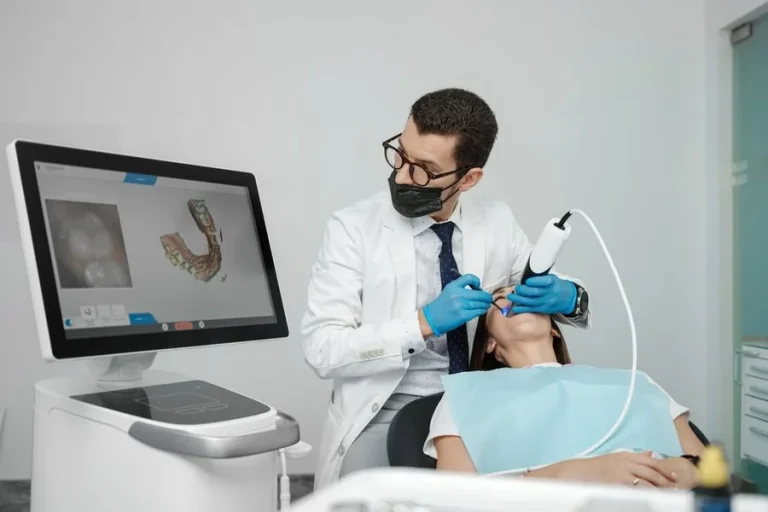
Many Clinics Underestimate the Power of In-Room Upsell Protocols
 Johnathan Parker |
August 5, 2025 |
7:29 pm
Johnathan Parker |
August 5, 2025 |
7:29 pm
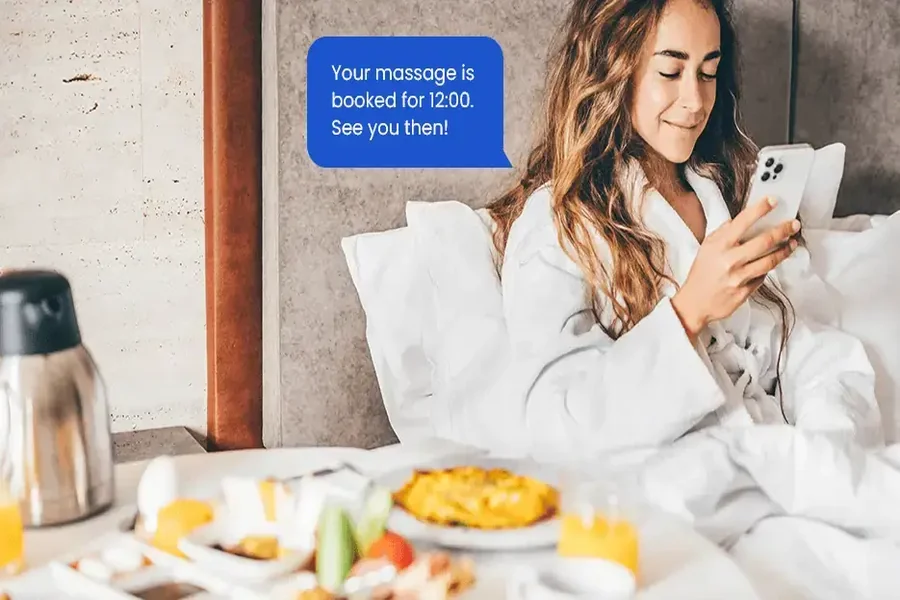
Many clinics miss revenue opportunities that unfold in the treatment room. While focus stays on core procedures, subtle chances to enhance client satisfaction and service value often go untapped. Missed interactions can slow growth and weaken engagement. In-room upsell protocols help staff suggest relevant enhancements that feel natural during the session.
When applied with care, they build trust, support personalized care, and generate additional income—without disrupting the experience. Clinics that lean into this approach often see stronger loyalty, improved results, and steadier team performance. Upselling works best when it’s timely and relevant. Staff who offer personalized enhancements tied to client goals make the process feel helpful—not forced. When suggestions connect clearly to care, clients respond with interest and trust, creating more meaningful interactions and a more confident team.
Treatment Room Equipment Should Spark Micro-Conversations
Connection goes beyond the treatment—it begins with how tools are introduced. When staff use friendly, clear language to explain what they’re doing and why, clients feel more included. Even quick comments—like pointing out a wand’s cooling feature—can spark micro-conversations that build trust.
Multi-purpose tools such as professional skin care machines often catch a client’s attention. A short explanation opens space for personalized check-ins: “Have you noticed your skin responding better to exfoliation?” or “This setting targets deeper hydration—want to try it?” Interactions like that make the session feel tailored, not routine. Visual guides on treatment carts prompt natural dialogue. A simple card with session goals or questions about recent progress helps conversations stay personal and aligned with client needs—without sounding scripted.
Communication Skills Drive Upsell Success
Clear, confident communication plays a central role in successful upselling. When staff use direct language and conversational scripts, suggestions come across as approachable and relevant rather than awkward or uncertain. Simple, intentional phrasing allows upgrade options to feel like natural extensions of the treatment, not interruptions. Instead of vague remarks, specific wording helps clients understand the value and purpose behind each recommendation.
For example, rather than saying, “You might want to try something extra next time,” a provider could say, “Adding a targeted mask today could help calm the redness we addressed earlier.” That kind of statement connects the treatment to a clear benefit. When conversations stay focused on client goals, optional services become part of a thoughtful and personalized care plan.
Physical Placement of Retail and Add-On Prompts Changes Outcomes
Where items are placed in the treatment room can shape client decisions more than people think. Visual reminders near treatment areas—such as neat signs or brochures—act as steady cues about upgrades without creating clutter. Gentle prompts help keep extra options in the client’s mind without interrupting the current experience.
Creative displays—such as digital screens showing real client before-and-after photos—grab attention and build trust. Showcasing add-ons in a clear, visual way helps make them feel more real and worth exploring. Visual examples strengthen client confidence in their choices. Use eye-catching prompts that blend naturally into the space without clashing with the room’s overall design.
Add-On Momentum Peaks in the Final 3 Minutes of Treatment
Each treatment has a natural rhythm, and the closing moments offer a key opening to mention optional enhancements. As results are visible and fresh, staff can highlight what worked and suggest a next step that builds on it. For example, saying, “That redness calmed down beautifully—next time we could include a cooling serum for even faster recovery,” keeps the focus on client goals.
Connecting the current outcome to a logical next step invites continuity and reinforces progress. When guidance reflects personal goals and present conditions, clients feel more engaged and are more likely to maintain consistent follow-through.
Clinics That Audit Conversion Rates by Staff See Clear Patterns
Tracking conversion rates by staff reveals patterns that guide coaching and spotlight what works. Clinics can start with basic KPIs like upsell acceptance rate, offer frequency, and revenue per session. For instance, if data shows that suggestions in the final 3 minutes convert 40% better, teams can adjust timing.
Tools like Meevo, Vagaro, or even a shared Google Sheet make tracking simple. Even lightweight data helps refine scripts and strategy. Celebrating small wins keeps morale strong. A weekly shout-out—“Julia’s mask upgrade pitch converted four clients!”—encourages confidence and collaboration. When tracking is easy and team-focused, upselling becomes strategic—not salesy.
Upselling during treatments works best when it feels like part of the client’s care—not an interruption. Use simple language, confident delivery, and visual prompts to keep options accessible and relevant. The final minutes of a session offer a calm space to suggest add-ons that build on visible results. Small upgrades connected to personal goals tend to feel thoughtful, not pushy. Encourage staff to practice clear phrasing and track what works. A quick team recap each week can spark ideas and keep momentum strong. Start testing one prompt this week and notice how small shifts create more engaged, satisfied clients.