How Wood Ceiling Planks Can Change the Look and Feel of a Room
 Johnathan Parker |
September 4, 2026 |
2:40 pm
Johnathan Parker |
September 4, 2026 |
2:40 pm
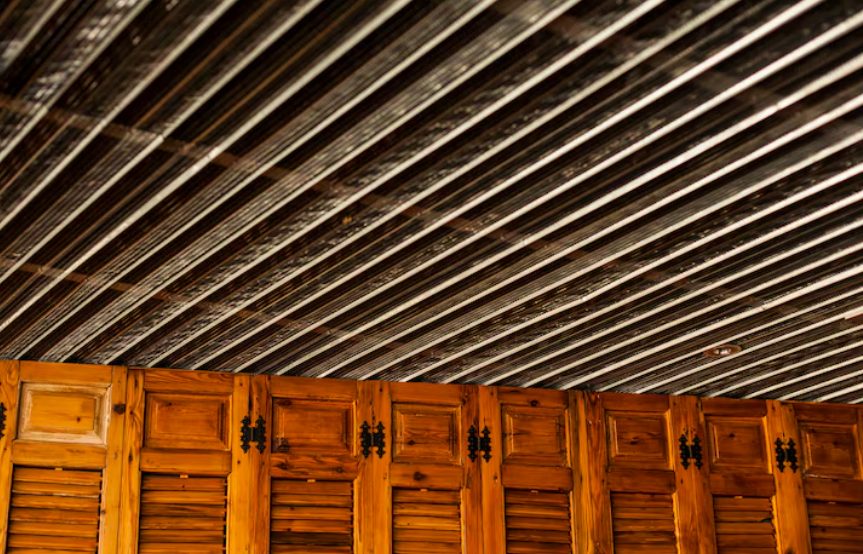
A ceiling is often one of the most overlooked parts of a room. Most homeowners focus on the walls, floors, furniture, and lighting, while the ceiling is left plain. However, changing the ceiling can make a noticeable difference in how a space looks and feels. One option that has become popular for this reason is using wood ceiling planks. They can add warmth, texture, and character without requiring a complete room renovation.
Wood ceilings can work in many types of homes and rooms. They can make a modern space feel more comfortable, add a natural touch to a simple interior, or help give an older home a more updated appearance. The key is choosing a style that works with the rest of the room instead of treating the ceiling as a separate feature.
Why Consider Wood for the Ceiling?
Wood has a natural appearance that can make a room feel less plain. A standard painted ceiling usually blends into the background, while wood creates a visible surface that adds texture. Depending on the type and finish you choose, it can look clean and modern or warm and traditional.
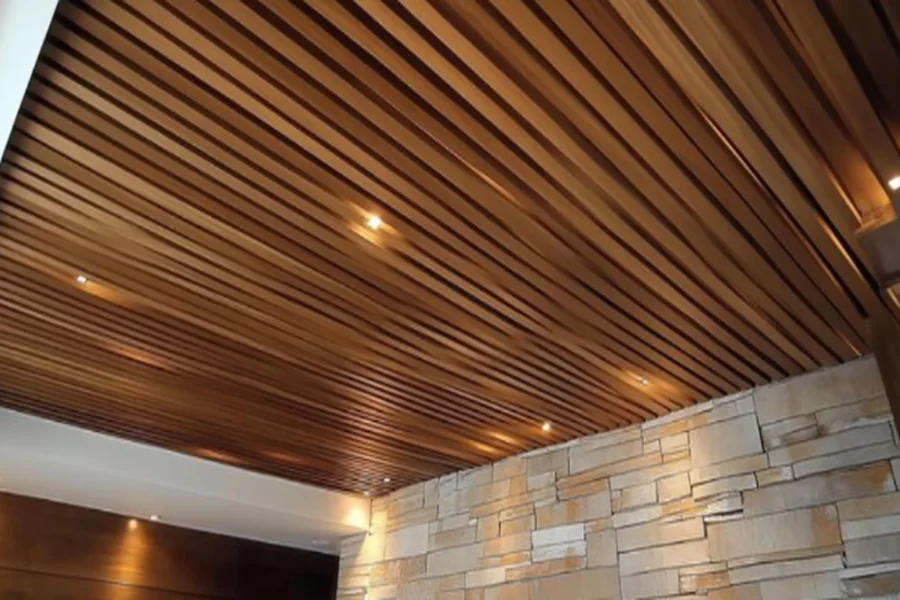
Another reason homeowners consider wood ceilings is the range of styles available. Wood can be stained in different shades, painted, or left with a natural finish. The direction of the planks can also affect the appearance of the room. Long planks can make a ceiling appear wider, while a different layout can create more visual interest.
For homeowners who want to explore different ceiling options, wood ceiling planks can be a practical way to add a wood finish without changing the entire room.
Wood Ceilings Can Add Warmth to Plain Rooms
Rooms with white walls and simple furniture can sometimes feel a little empty. Adding wood to the ceiling can give the space more character without filling it with extra decorations.
The natural grain of wood adds detail that paint cannot provide. Even a simple plank design can make a difference because the surface has variation in colour and texture. This can be especially useful in rooms where the furniture and walls have simple designs.
A wood ceiling can also work well with neutral colours. Beige, white, grey, cream, and other simple shades can pair easily with different wood finishes. This gives you room to change furniture or decorations later without needing to replace the ceiling.
Choosing the Right Wood Finish
The finish you choose can affect the entire appearance of the room. A light wood finish can make a ceiling feel bright and open. It can work well in smaller rooms where you do not want the ceiling to feel heavy.
Darker wood can create a stronger look. It may work well in larger rooms or areas where you want the ceiling to become a main design feature. However, darker finishes can make a low ceiling feel lower if they are used without considering the size and lighting of the room.
Natural finishes are another option. They allow the grain and texture of the wood to remain visible and can give the room a more relaxed appearance.
Before choosing a finish, look at the existing colours in the room. The ceiling does not need to match everything exactly, but it should work with the floor, walls, furniture, and other finishes.
Think About the Size of the Room
The size and shape of a room should be considered before installing wood on the ceiling. A large open room can usually handle a stronger ceiling design, while a smaller room may benefit from lighter wood and a simpler layout.
The height of the ceiling is also important. If the ceiling is already low, using a very dark finish or a heavy design may make the room feel smaller. Lighter colours and simple plank layouts can help maintain a more open feeling.
In a room with a high ceiling, wood can help make the space feel more comfortable. Instead of having a large empty surface overhead, the wood adds detail and helps bring the ceiling into the overall design.
Wood Ceilings Work in More Than One Room
Wood ceiling planks are not limited to living rooms. They can be used in bedrooms, dining areas, home offices, hallways, and other parts of the house.
In a bedroom, wood can create a warmer and more comfortable setting. A simple finish can work well with soft lighting and neutral furniture.
In a living room, the ceiling can become a feature that connects different parts of the space. For example, the wood can work with wooden furniture or flooring without requiring every surface to use the same material.
A dining area can also benefit from a wood ceiling because the material adds texture without taking up floor or wall space. In a home office, it can make a basic room feel more finished while still keeping the design simple.
Match the Ceiling With the Rest of the Interior
One of the easiest ways to make a wood ceiling look out of place is to choose a style without considering the rest of the room. The ceiling should work with the existing design.
If your room has modern furniture, a clean plank layout and simple wood finish may be a better match. A more traditional room may work well with a warmer finish and a more detailed design.
You do not have to use the same wood finish throughout the entire room. In fact, using slightly different shades can prevent the space from looking too uniform. What matters is that the colours and textures work together.
Lighting should also be considered. Ceiling lights can highlight the wood grain and change how the finish looks during the evening. Natural light can have a similar effect during the day.
Installation Requires Proper Planning
Installing wood on a ceiling is different from placing it on a wall because the material is overhead. Proper measurements and preparation are important before starting the project.
The existing ceiling should be checked to make sure it can support the planned installation. The surface should also be prepared properly so the planks can be installed securely and evenly.
If you are not experienced with ceiling installations, getting help from a professional can be a practical choice. A poorly installed ceiling can create safety problems and may also result in uneven gaps or visible mistakes.
It is also important to plan where lights, vents, fans, and other ceiling fixtures are located before installation. Measuring these areas ahead of time can prevent problems once the planks are in place.
Think About Long-Term Maintenance
Wood ceilings can be relatively easy to maintain when they have been properly finished and installed. However, like other natural materials, wood can be affected by moisture and changes in the indoor environment.
Keeping the room properly ventilated can help protect the material. Areas with higher humidity may require more consideration when choosing the type of wood and finish.
Dust can also collect on ceiling surfaces over time. Regular light cleaning can help keep the wood looking good. The exact maintenance routine will depend on the finish and type of wood used.
Taking care of the ceiling from the beginning can help preserve its appearance and reduce the need for major repairs later.
A Simple Way to Make the Ceiling Part of the Design
A ceiling does not have to remain a blank surface. Adding wood can give a room more personality without requiring major changes to the walls or furniture. It can create warmth, introduce natural texture, and make the room feel more complete.
The best results usually come from keeping the design connected to the rest of the space. Consider the room size, ceiling height, lighting, furniture, colours, and overall style before choosing the wood.
Wood ceiling planks can be a useful option for homeowners who want to make a noticeable change while keeping the design practical. With the right material, finish, layout, and installation, a wood ceiling can become a lasting part of the room rather than a feature that feels added at the last minute.