How Weather Events Influence Vehicle Auctions
 Johnathan Parker |
September 17, 2025 |
10:11 pm
Johnathan Parker |
September 17, 2025 |
10:11 pm
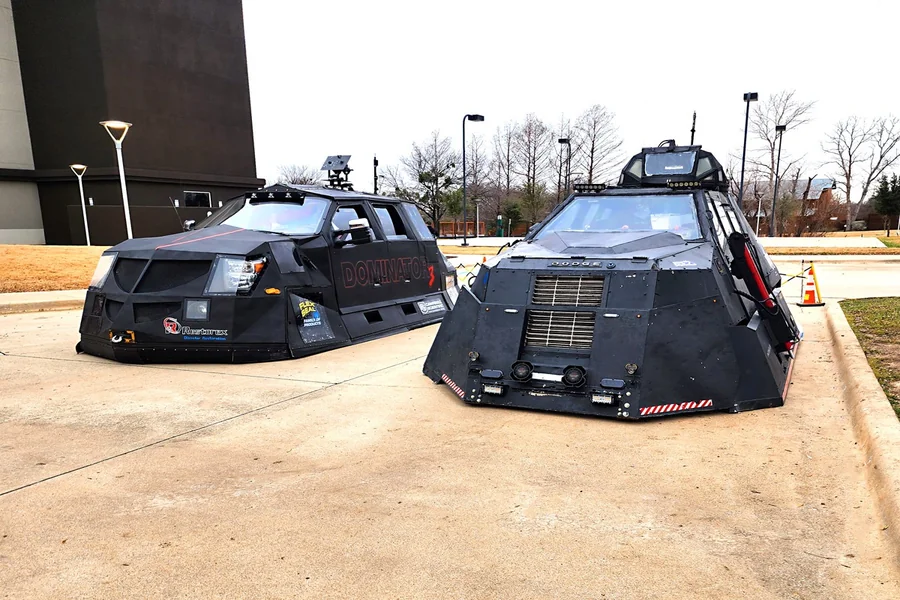
Extreme weather has a direct impact on the salvage vehicles that appear in online car auctions. Hurricanes, floods, hailstorms, and wildfires can all generate large waves of damaged cars entering the market. For buyers, these events create both risks and opportunities. The key lies in understanding how weather-related factors affect supply, condition, and pricing. With careful evaluation and planning, we can navigate these auctions strategically and avoid costly mistakes.
1) Flood-Damaged Cars: Risks and Realities
Floods are among the most common sources of auction inventory. Entire lots of vehicles may come from regions affected by hurricanes or flash floods. At first glance, these cars often look normal, but hidden issues can include electrical failures, mold, and corrosion.
Smart buyers recognize that most flood-damaged cars are high risk for long-term use, but they may still hold value for parts. Engines, transmissions, or body panels can sometimes be salvaged. The challenge is determining whether the potential benefit outweighs the likelihood of lingering problems. When water damage affects electronics, even skilled repairs may not fully restore reliability.
Another factor to consider with flood cars is resale perception. Even when repairs are successful, buyers are often hesitant to purchase a vehicle with flood history, leading to lower resale prices. That said, certain buyers specifically target these cars for dismantling, since non-electrical parts like wheels, seats, and panels may still be in usable condition. For individual buyers, however, flood cars are best approached cautiously unless the intention is strictly parts harvesting.
2) Hail Damage and Cosmetic Opportunities
Hailstorms frequently produce vehicles that end up in auctions. These cars often suffer dozens of dents across panels and roofs but remain mechanically sound. For buyers, this presents opportunity. Cosmetic damage lowers auction prices, yet repair methods such as paintless dent removal can restore appearance at relatively low cost.
Hail-damaged cars may be ideal for personal use, since the dents do not affect safety or performance. For resale, the decision depends on whether cosmetic repairs are worthwhile. In some markets, buyers are less concerned with appearance, making lightly damaged cars easier to sell without full restoration.
It’s also worth noting that hail events usually affect large groups of vehicles at once. This sudden supply surge can temporarily lower prices, as auctions see hundreds of similar models enter the market. Buyers who act during these periods often secure better deals. Watching weather reports and knowing when storm-affected auctions are scheduled can give prepared bidders an advantage.
3) Hurricanes and Regional Market Shifts
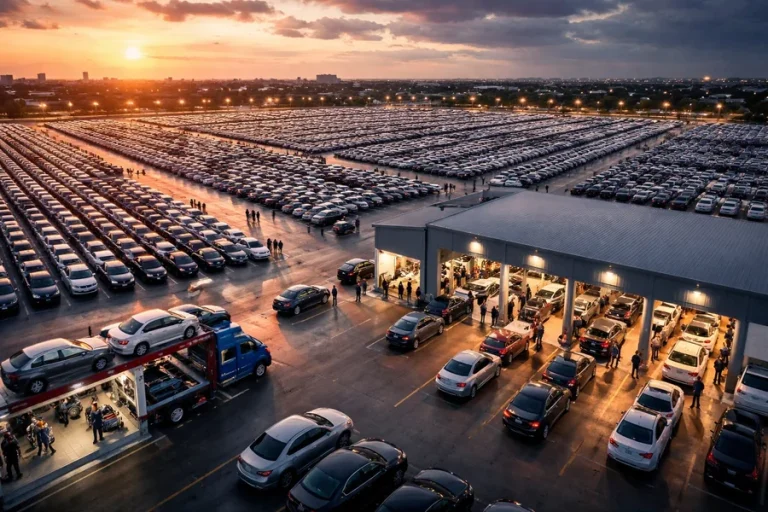
Major hurricanes reshape entire auction markets. Cars damaged by flooding, wind, and debris are shipped from affected states to auction yards across the country. This influx increases volume and can temporarily depress prices in certain categories.
At the same time, regional demand also changes. In areas hit hardest, local buyers may prioritize affordable, repairable transportation to replace what was lost. Auctions near these regions often see higher competition for running vehicles, while damaged inventory gets dispersed nationwide.
Buyers who understand these shifts can act strategically. For instance, after a hurricane, SUVs and trucks may appear in larger numbers, but many will carry flood titles. Meanwhile, sedans with only minor cosmetic issues may be overlooked and sell at lower prices. The balance between oversupply of damaged inventory and selective demand creates windows of opportunity for those who know how to evaluate titles and conditions carefully.
Another effect of hurricanes is on transport and logistics. With roads closed or damaged, moving vehicles out of affected areas can take longer and cost more. This delay may cause storage fees to rise or transport companies to charge premiums.
Buyers factoring in logistics early often avoid these pitfalls by arranging transport quickly or targeting vehicles located just outside disaster zones. Additionally, some auctions relocate hurricane-affected cars to secondary yards, spreading inventory across different states. Knowing where vehicles are moved and anticipating changes in availability helps disciplined buyers act before prices rebound.
4) Wildfires and Heat-Exposed Vehicles
Wildfires are less common than floods or hail, but still contribute to auction inventory. Smoke damage, melted components, or warped interiors are typical issues. Even when flames never touched the car, prolonged exposure to heat can affect electronics, seals, and paint.
These vehicles often look deceptively intact in photos but may have long-term reliability issues. However, for dismantlers or buyers interested in parts, they can provide good value. Non-affected components such as wheels, suspension systems, or undamaged panels may remain in strong condition.
Wildfire cars also highlight the importance of geography. Vehicles from areas with repeated exposure to extreme heat may age faster, showing brittle plastics and weakened rubber seals. This means buyers should weigh climate impact along with visible damage when estimating value. While wildfires are unpredictable events, their impact on auctions is consistent: sudden surges of inventory with highly variable quality.
5) Turning Weather Events Into Strategy
For disciplined buyers, weather events are not just disruptions — they are opportunities. By tracking seasonal risks and regional auction flows, we can anticipate when certain types of vehicles will appear in volume. Hail-damaged cars, for example, may be best targeted in late spring and summer, while hurricane-related inventory often spikes in fall.
Timing purchases around these events requires preparation. Buyers who already know their budgets, transport options, and repair resources can act quickly when weather-affected vehicles flood the market. On the other hand, those who rush in without planning often overspend or underestimate hidden damage. Successful participation comes from balancing risk with opportunity: pursuing hail or light storm damage while treating flood and fire cars with extra caution. In this way, we use market disruptions to our advantage rather than falling victim to them.
Final Thoughts
Weather events continually influence vehicle auctions, shaping both supply and demand. Floods, hailstorms, hurricanes, and wildfires introduce unique risks, but they also create opportunities for buyers who know how to evaluate listings carefully. By understanding the impact of these events and aligning our strategies with seasonal and regional trends, we turn unpredictable natural forces into predictable market advantages.