How Teachers Are Adapting to the New Learning Environment
 Johnathan Parker |
August 12, 2025 |
11:26 am
Johnathan Parker |
August 12, 2025 |
11:26 am
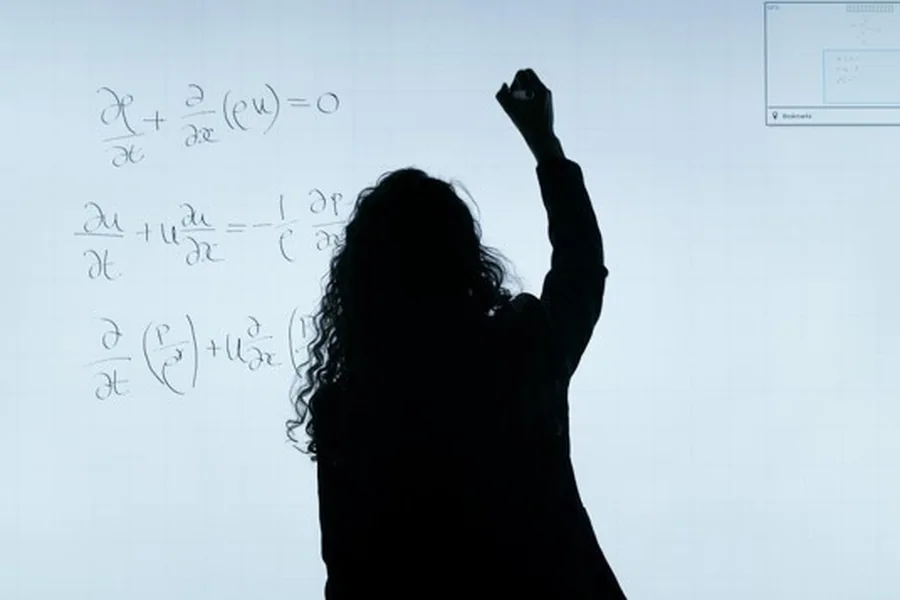
Have you ever walked into a classroom and felt like something had changed—but couldn’t quite say what? Maybe the desks were spaced out. Maybe the teacher was balancing a smartboard lesson with an open Zoom window. Maybe students were typing questions into a shared document instead of raising their hands.
Classrooms today don’t feel the same. And for teachers, this shift hasn’t been small.
Over the past few years, how we teach—and how students learn—has transformed. Learning now moves across screens, apps, and flexible schedules. Paper handouts have become digital slides. Group projects happen in breakout rooms. And science lessons might include data from NASA, not just textbook diagrams.
Teachers are adapting quickly. They’ve had to manage tech, keep students engaged, and navigate emotional shifts—all while teaching the core content. But what’s emerging from the challenge is promising. Educators aren’t just reacting. They’re rethinking what strong, smart, human-centered teaching can be.
In this blog, we will share how educators are adjusting to the new learning environment, what’s helping them succeed, and how these changes are reshaping classrooms for the better.
Professional Learning Gets a Digital Boost
Experience is valuable. But in today’s fast-moving education world, teachers also need current tools and fresh thinking. That’s why many are continuing their own learning. Programs like a master’s in science education online offer teachers a way to sharpen their skills without stepping away from the classroom.
Case in point: Youngstown State University (YSU) offers online programs that are both flexible and practical, designed to fit into teachers’ busy schedules. Educators can study at their own pace and immediately apply what they learn in the classroom. The coursework emphasizes hands-on science instruction, modern curriculum design, and real-world teaching strategies.
These programs go beyond theory. Teachers use them to create stronger lessons, introduce relevant science topics, and help students develop sharper critical thinking skills. In a time when misinformation is everywhere and science education carries more weight than ever, comprehensive teacher training has never been more important.
Tech Integration Becomes a Daily Strategy
There was a time when tech in the classroom meant a shared projector or computer lab. Now, it’s everywhere. From interactive boards and Google Workspace to virtual labs and learning platforms, technology is part of nearly every lesson.
But teachers know better than to rely on flash alone. They’ve learned how to choose tools that support the lesson—not distract from it. And they’ve become smarter about how they blend online and in-person learning.
Blended learning allows students to move at their own pace, revisit lessons, and get feedback faster. Teachers post assignments online, hold discussions in person, and check real-time progress using digital dashboards. This doesn’t just help tech-savvy students—it helps everyone stay connected.
Relationships Still Come First
Even with all the changes, one thing hasn’t shifted: relationships still matter most. Teachers have always worn many hats. But after years of disrupted learning and social stress, they’ve had to become even more attentive to student well-being.
Students are coming to class with new challenges. Some are behind academically. Others are coping with anxiety or disconnection. Teachers now focus more on social-emotional learning. They’re creating routines that feel safe, giving students more choices, and helping them build confidence through small wins.
It’s not just about what students learn—it’s about how they feel while they learn. And that shift is redefining the teacher’s role as a steady, responsive presence in a world that often feels uncertain.
Sharing Ideas, Not Just Lessons
Teaching used to be more isolated. Close your door, run your lesson, and hope for the best. Now, teachers are collaborating more than ever.
Through online groups, video calls, and peer networks, educators share strategies, classroom ideas, and tech tools. A teacher in Ohio might borrow an idea from someone in California. New teachers can get mentorship without needing to be in the same building.
This culture of sharing makes everyone stronger. Teachers feel less alone. They pick up tips that actually work. And they get support when something flops.
The Teacher’s Role Is Expanding
Ask students what makes a great teacher, and they’ll likely say: “She cares.” “He explains things clearly.” “They make me feel seen.” That says a lot. Today, teaching is as much about connection as it is about content.
But connection is only part of it. Teachers now wear many hats. They guide learning, manage technology, support mental health, and adjust lessons to meet a wide range of needs—all in real time.
Mental wellness is no longer a side topic. Many teachers now start class with check-ins, offer space for reflection, and watch for signs of stress or anxiety. It’s about making the classroom feel safe, especially in a world where many students carry hidden burdens.
Learning has also become more personalized. Teachers use student data to reshape lessons, give targeted help, and offer choices in how students show what they’ve learned. Flexibility isn’t just helpful—it’s expected.
Technology adds to the mix. Teachers juggle learning apps, troubleshoot tech issues, and keep students focused across devices. The goal isn’t using tech for tech’s sake, but using it to improve learning.
Even discipline is shifting. More teachers now use restorative practices, helping students reflect and grow rather than just punishing behavior.
And through it all, teachers continue to learn. They take courses, build new skills, and rethink how their subjects connect to real life.
Yes, the role has expanded. But the mission remains the same: helping students grow. And in this new learning environment, it’s that steady, human connection that matters most.