How People Are Reclaiming Their Social Media in 2025
 Ava Thompson |
June 19, 2025 |
11:26 am
Ava Thompson |
June 19, 2025 |
11:26 am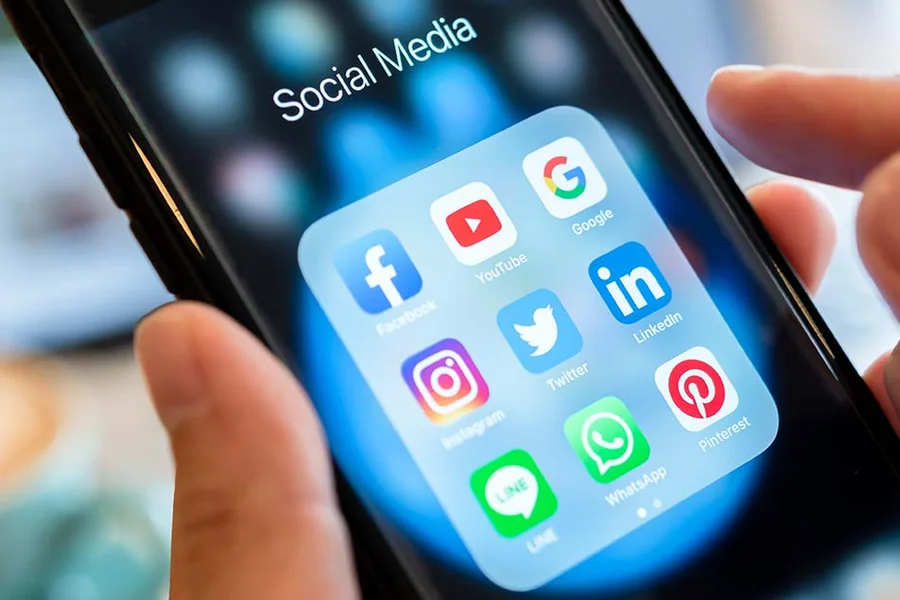
In the past, we thought social media was all about adding bigger: more pictures, more posts, more stories. In 2025, however, things are quieter and different. More people are opting to tune out and manage what they have previously shared.
Instead of chasing new content at all costs, they’re revisiting their digital past. And they’re asking one simple question: “Does this still reflect who I am?”
Why People Are Curating More Carefully
It’s no secret that what we post online can live forever. But in a world where our lives and careers move fast, that’s not always a good thing.
You may have a decade’s worth of tweets, posts, and photos online. Some of it still represents you perfectly. But other parts—an old joke, a dated opinion, or just a style you’ve outgrown—might no longer feel right.
More users are realizing that they don’t have to keep everything. Tools like delete tweet make it easy to clean up old Twitter (now X) content. A couple of clicks will allow you to get rid of any posts that don’t fit how you want to show up today.
This is not about hiding your regrets or putting on a front for others. It’s about giving you the permission to grow—and your online presence the permission to grow with you.
The Emotional Impact of Digital Clutter
Decluttering your feed isn’t just about protecting your image. Many people report feeling lighter and more at ease after doing it.
Scrolling past old content that no longer fits can feel jarring. Each outdated post is like digital noise—a version of you that no longer belongs. When you clear it out, you can make room for content that lines up with who you are now.
And in an online world that can feel loud and chaotic, having a curated space that’s comfortable for you is a kind of self-care in and of itself.
Why Gen Z and Gen Alpha Are Leading the Way
Interestingly, it’s not just older users who are embracing digital cleanups. Gen Z and even younger Gen Alpha users—many of whom grew up with social media—are already thinking about how their online presence will age.
They’re more conscious of the fact that what they post today could be scrutinized tomorrow. As a result, many younger users regularly audit their content. For them, controlling their digital narrative is as important as creating it.
Some even treat cleanup days as part of their routine—alongside refreshing their profiles and archiving old posts that no longer reflect their personal brand or identity.
Managing Reputation and Building Trust
In 2025, more people than ever are Googling each other. Employers, clients, potential partners—your online presence often makes the first impression.
An old tweet that seemed harmless in 2013 might read very differently today. Even posts that were once trendy can feel tone-deaf or confusing years later.
That’s why many professionals and businesses now view digital cleanup as essential. It’s about putting your best foot forward—not by erasing your history, but by shaping it intentionally.
Businesses Are Doing It, Too
For brands, the stakes are even higher. Consumers today want to engage with companies that feel authentic, inclusive, and current.
That means companies are now auditing their old social content regularly. A tweet or Instagram post that felt playful five years ago might now clash with modern brand values.
Tools like TweetDelete help social media managers handle this efficiently. Instead of manually combing through thousands of posts, they can automate the cleanup and focus on building a feed that supports today’s brand story.
How AI Is Changing the Cleanup Game
Artificial intelligence is also playing a growing role in social media cleanup. New tools can now scan entire profiles, flagging posts that might be outdated, risky, or off-brand.
Some even offer suggestions—should you delete the post entirely, update the caption, or simply archive it? This helps users maintain an authentic presence without accidentally keeping content that could cause confusion or harm.
Digital Minimalism: Less Can Be More
Some worry that deleting old posts is dishonest. But most who practice digital minimalism see it differently.
We all grow. We all change. Why should our online profiles remain frozen in time?
Curating your online presence is like curating your home. You choose which photos to display on the walls. You don’t need to show every snapshot you’ve ever taken.
In a sea of constant content, a well-curated feed can stand out. It signals clarity, thoughtfulness, and confidence in who you are today.
How Often Should You Clean Up?
There’s no one-size-fits-all answer, but most experts recommend reviewing your social media profiles at least once a year.
Major life changes—new jobs, relationships, or moving to a new city—are also good times to reassess your digital footprint. Some users schedule seasonal cleanups, treating it like a digital version of spring cleaning.
Regular maintenance ensures that your profiles stay aligned with who you are, and it makes large-scale cleanups easier to manage over time.
The Mental Health Side of Letting Go
Letting go of outdated posts can also be good for your mental well-being. Many users say that keeping posts they’ve outgrown can trigger feelings of discomfort or regret.
By clearing out what no longer serves you, you free up mental space. You create an online environment that feels positive and current—one that supports rather than weighs on your identity.
Moving Forward With Intention
The future of social media isn’t just about posting more. It’s about posting smarter—and managing what’s already out there.
Tools like TweetDelete give people the ability to take control. And as the expectations shift regarding transparency and authenticity, that ability is more essential than ever.
Cleaning up your feed is not about being perfect. It is about being present. It is about being online in a way that is authentic to who you are and what you value – in that moment in time.
And sometimes, being authentic means letting go of what doesn’t serve you any longer. Because in a digital landscape where the internet remembers everything, choosing what to keep is a privilege.