How Clogged Gutters Secretly Destroy Your Home’s Foundation
 Johnathan Parker |
April 30, 2026 |
12:44 pm
Johnathan Parker |
April 30, 2026 |
12:44 pm
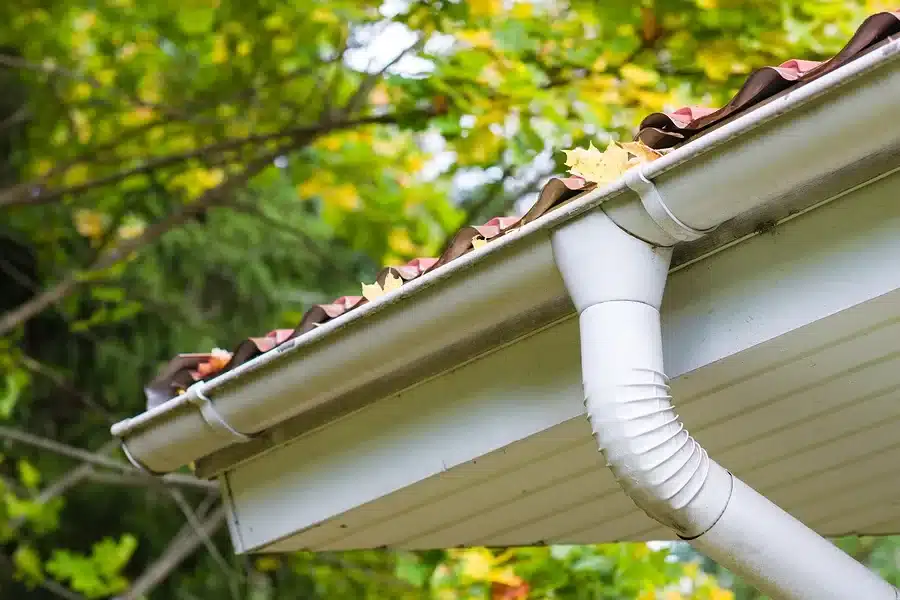
Most homeowners don’t think twice about their gutters until water starts pouring over the sides during a heavy storm. By then, the damage has often already begun, quietly working its way into the most expensive part of your home: the foundation.
Clogged gutters are one of those slow, silent threats that rarely announce themselves. You don’t hear cracks forming. You don’t see soil shifting. But over months and years, neglected gutters can lead to thousands of dollars in structural repairs that no one saw coming.
Let’s talk about what’s really happening up there, and why it matters more than most people realize.
What Gutters Actually Do (And Why They’re Not Optional)
Gutters aren’t just a finishing touch on your roofline. They’re a carefully designed water management system. Their entire job is to catch rainwater rolling off your roof and direct it safely away from your home.
When they’re working properly, you barely notice them. When they fail, your foundation pays the price.
A typical roof can shed thousands of gallons of water during a single storm. Without functioning gutters, all that water lands right next to your home’s base, exactly where it can do the most damage.
How Clogged Gutters Damage Foundation Walls Over Time
Here’s where things get serious. When leaves, twigs, and debris block the flow, water has nowhere to go but over the edge. That overflow doesn’t disappear, it concentrates around your foundation.
This is how clogged gutters damage foundation systems in four major ways:
1. Soil Erosion Around the Base
Water cascading off the roof carves channels into the soil beside your home. Over time, this erosion strips away the support your foundation depends on. Once the soil shifts, the foundation has less to lean on, and that’s when settling problems start.
2. Hydrostatic Pressure and Water Pooling
When water pools near the foundation, it saturates the surrounding soil. Wet soil expands and pushes against your foundation walls with surprising force. This is called hydrostatic pressure, and it’s one of the leading causes of bowed basement walls.
3. Basement Leaks and Crawl Space Flooding
That same trapped water eventually finds the path of least resistance, which usually means seeping through tiny cracks into your basement or crawl space. What starts as a damp corner can quickly turn into mold, mildew, and ruined drywall.
4. Structural Cracks and Settling
The freeze-thaw cycle is brutal on saturated foundations. Water seeps into hairline cracks, freezes, expands, and widens them. Each winter makes things worse, and eventually you’re looking at uneven floors, sticking doors, and visible cracks in the walls.
Warning Signs Homeowners Usually Miss
Foundation damage from water rarely happens overnight, but the early signs are easy to overlook if you don’t know what to watch for.
Keep an eye out for:
- Water stains on basement walls or along the foundation exterior
- Mulch or soil washed away from flower beds near the house
- Mildew smell in lower levels of the home
- Doors and windows that suddenly stick or don’t close properly
- Cracks in drywall, especially above doorways
- Sagging or pulling gutters that look heavy or tilted
- Plants growing inside the gutters (yes, it happens more often than you’d think)
If two or three of these sound familiar, your gutters likely deserve a closer look.
A Real-World Scenario You’ve Probably Seen
Picture this: a homeowner in a quiet suburban neighborhood notices a small puddle forming near the side of the house every time it rains. They assume it’s just poor landscaping and ignore it.
Two years later, they’re staring at a hairline crack in their basement wall that’s started leaking during heavy storms. The repair estimate? Around $8,000, plus another $1,200 for proper drainage correction.
The original cause? A gutter section packed with maple seeds and pine needles that hadn’t been cleared in three seasons. A 30-minute cleaning could have prevented all of it.
Practical Rain Gutter Maintenance Tips
Preventing water damage to your home doesn’t require expert skills, just consistency. A simple maintenance routine goes a long way.
Try this approach:
- Clean gutters twice a year at minimum, typically in late spring and late fall
- Inspect downspouts for blockages and make sure they extend at least 4–6 feet from the foundation
- Check for sagging sections or loose fasteners after big storms
- Trim overhanging branches to reduce debris buildup
- Install gutter guards if your property has heavy tree coverage
- Watch for rust or seam separation, especially on older sectional gutters
If climbing a ladder isn’t your thing, scheduling a professional inspection once a year is a smart investment compared to foundation repair bills.
Why Seamless Gutters Are a Smarter Long-Term Choice
Traditional sectional gutters have joints every few feet, and those joints are exactly where leaks tend to form. Seamless rain gutters benefits include fewer weak points, better water flow, and a cleaner appearance overall.
Because they’re custom-cut to fit your home, seamless gutters reduce the risk of clogs, sagging, and leaks that plague traditional systems. For homeowners thinking long-term, the upfront investment pays off in fewer repairs and far better water drainage solutions for homes in regions with heavy rainfall or seasonal storms.
A Word on Working with Trusted Gutter Professionals
When it’s time to upgrade or repair your system, working with experienced specialists makes a real difference. Southwest Seamless Rain Gutters has built a strong reputation for custom seamless gutter installation, professional maintenance, and dependable water protection solutions tailored to each home’s needs.
Their team focuses on quality craftsmanship and long-lasting results, which matters when you’re trying to protect something as important as your foundation. For homeowners who’d rather prevent problems than chase them, partnering with a trusted local expert is one of the most practical decisions you can make.
Final Thoughts: Don’t Wait for Visible Damage
Your gutters quietly defend your home against one of its biggest enemies, water. When they’re clogged, neglected, or poorly installed, the damage doesn’t stay on the roof. It travels down, into the soil, against the foundation, and eventually into your living space.
A little attention today can save you from years of stress and tens of thousands in repairs tomorrow. Whether you handle maintenance yourself or call in a professional, the goal is the same: keep water moving away from your home, not into it.
Because by the time foundation cracks show up, the gutters have already lost the battle.