How A Game Builds Suspense In Three Seconds
 Johnathan Parker |
April 26, 2026 |
12:07 am
Johnathan Parker |
April 26, 2026 |
12:07 am
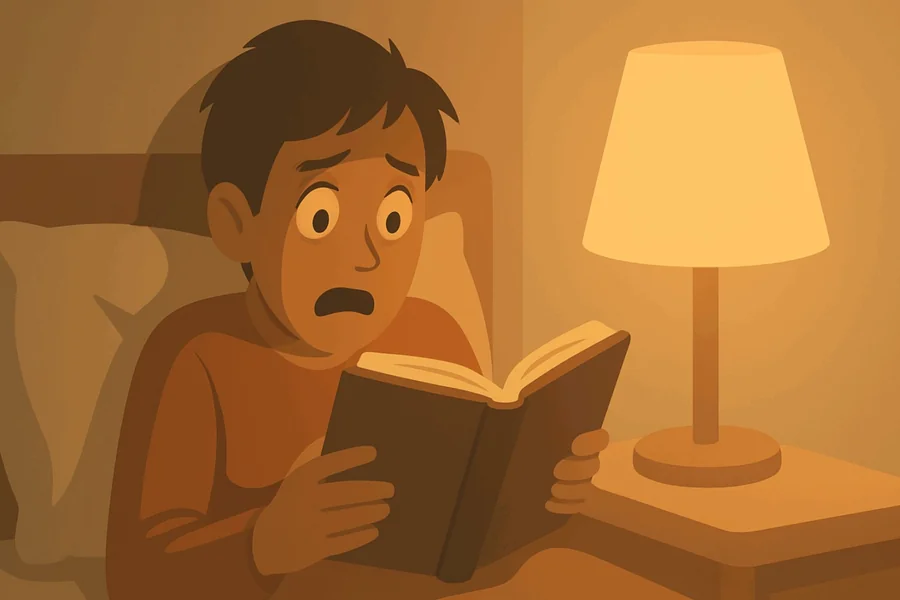
Have you ever started a game and felt curious within just a few seconds?
That quick feeling is not random. It is usually planned with care. Game makers know that the first few seconds can decide how a player feels. A small sound, a sudden pause, a slow camera move, or a hidden object can make the player stop and pay attention.
Suspense in games does not always need a long story. It can begin in three seconds. The player may not know the full problem yet, but the mind starts asking questions. What is ahead? Is something about to happen? Should I move fast or wait? These small questions create tension in a simple and natural way.
Why The First Three Seconds Matter
The first three seconds are important because players form an early feeling very quickly. They may not fully understand the game yet, but they can sense the mood. A calm scene, a strange sound, or an empty path can create instant interest.
Game suspense works because the brain reacts faster than logic. Before the player thinks deeply, they already feel that something needs attention. This quick reaction helps the game pull the player into the moment.
The Brain Looks For Signals
When a game starts, the player’s brain looks for clues. It checks sound, movement, light, colour, and space. If something feels slightly unusual, the brain becomes alert.
For example, a quiet room with one flickering light can feel more tense than a loud scene. The player may not see any danger, but the setting suggests that something may happen. That gap between what the player sees and what they expect builds suspense.
Small Delays Create Curiosity
A delay is one of the simplest ways to build suspense. A door opens slowly. A sound stops suddenly. A shadow moves, then disappears. These moments make the player wait.
Waiting creates curiosity. The player wants to know what comes next. The game does not need to explain everything at once. It only needs to hold back a little information for a few seconds.
How Sound Creates Instant Suspense
Sound is often the fastest way to change the player’s mood. A low note, a soft footstep, or sudden silence can make the player feel alert even before anything appears on screen.
Sound also works well because players react to it naturally. In daily life, we pay attention when we hear something unusual. Games use the same human habit to create quick suspense.
Silence Can Be Stronger Than Noise
Many people think suspense needs loud music. But silence can sometimes work better. When a game suddenly becomes quiet, the player notices it.
Silence makes the player listen more carefully. Even a small sound becomes important. A tiny creak or soft wind can feel meaningful. In casual gaming spaces, players may come across terms like slot depo 5k while reading about game access or play styles, but suspense itself still depends more on timing, sound, and player focus than on such terms.
Sudden Sounds Need Careful Timing
A sudden sound can make a player react fast. But it should not feel random. If every moment has a loud sound, the effect becomes weak.
Good timing matters. A sudden sound works best after a quiet pause. The pause prepares the mind. The sound then feels important because the player was already waiting for something.
How Visual Details Build Tension
Visuals help players understand mood without long text. A dark corner, a moving curtain, a closed gate, or a broken object can tell the player that something is not normal.
In three seconds, the eye can catch many small details. The player may not study them fully, but they still feel the meaning. This is why visual design plays a big role in suspense.
Lighting Guides The Player’s Attention
Light tells the player where to look. A bright object in a dark room naturally pulls the eye. A half-lit path can make the player feel unsure.
Soft lighting can create calm tension. Strong shadows can make a space feel unknown. The key is balance. If everything is too dark, the player may feel confused. If everything is too clear, suspense may reduce.
Movement Makes The Scene Feel Alive
Even small movement can create tension. A door that moves slightly, smoke in the air, or a shape passing quickly in the background can make the player pause.
Movement tells the player that the scene is active. Something may be nearby. The player starts watching more carefully. This feeling keeps the mind involved without needing heavy explanation.
How Control And Choice Add Pressure
Suspense becomes stronger when the player has control. Watching a tense scene is one thing. Moving through it by yourself feels different.
When a game gives control, the player feels responsible for the next step. Should they open the door? Should they move forward? Should they wait? These choices create pressure in a calm but effective way.
Limited Information Makes Choices Feel Important
A player does not need full details to feel tension. In fact, limited information often works better. If the player only sees part of the path, they must decide with incomplete knowledge.
This does not mean the game should confuse the player. The best suspense gives enough information to move ahead, but not enough to feel fully safe. That middle space keeps the player curious.
Simple Rules Help The Suspense Stay Clear
Clear rules make suspense more enjoyable. The player should understand how to move, look, or react. If controls are hard to understand, tension may turn into frustration.
Simple control helps the player focus on the scene. In some online gaming discussions, terms like slot depo 1k may appear when people talk about different play habits, but the emotional pull of a game still comes from clear design, timing, and meaningful choices.
Why Suspense Should Stay Balanced
Suspense is useful only when it feels fair. If a game keeps surprising the player without reason, the effect can become tiring. A balanced game gives the player time to breathe.
Good suspense has rhythm. It rises, pauses, and rises again. This rhythm helps the player stay interested without feeling overloaded.
Too Much Tension Can Reduce Enjoyment
If every second feels tense, the player may stop caring. The mind needs contrast. Calm moments make tense moments stronger.
A quiet hallway feels more suspenseful after a busy scene. A slow sound feels stronger after silence. Balance helps the player enjoy the game instead of feeling pushed all the time.
Fair Clues Build Trust
Players like suspense when they feel the game is fair. A clue before an event helps the moment feel earned. It can be a sound, a shadow, a camera angle, or a change in music.
Fair clues build trust between the game and the player. The player may still feel unsure, but they do not feel tricked. That trust makes suspense more satisfying.
Conclusion
A game can build suspense in three seconds by using simple human reactions. Sound, silence, light, movement, timing, and choice all work together. The player does not need a full story right away. A small clue is enough to start curiosity.
The best suspense feels natural. It does not force the player. It invites them to notice, think, and move forward. When done well, those first three seconds can make the whole experience feel more alive, focused, and memorable.