Features That Make A Smart Home Feel Truly Intelligent
 Johnathan Parker |
August 11, 2025 |
8:22 pm
Johnathan Parker |
August 11, 2025 |
8:22 pm
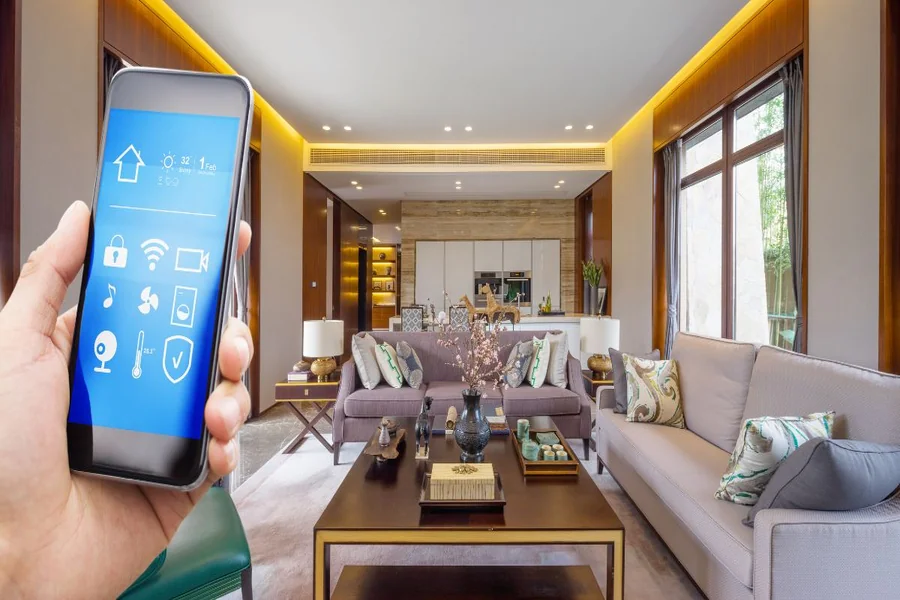
Technology at home is no longer about showing off gadgets. It’s about making everyday routines easier without needing constant input. Lights, temperature, and security can now adjust automatically based on what’s happening in the space. Instead of drawing attention, the tech works in the background to create comfort that feels natural.
What matters most is how well each feature fits real life. When systems respond to movement, light, or habits without being overly complicated, they help reduce stress. The smartest setups don’t interrupt your day—they quietly support it, making the space feel more personal, relaxed, and simple to manage.
Seamless Design Integration With Architectural Intent
A truly smart home starts with good planning. Integrating technology from the beginning makes everything look and feel more natural. Running low-voltage cables through hidden paths and using flush-mounted sensors help keep things clean and clutter-free. These details support a modern, welcoming vibe without making the tech stand out in a distracting way.
Custom-built recessed panels can be added to existing woodwork, blending function with style. This setup helps everything work smoothly while still looking good. If you’re building or remodeling, working with architect Los Angeles professionals can recommend smart home integration to make the process smoother and more cohesive.
Smart Climate Control That Learns Your Routine
An intelligent HVAC system makes life more comfortable by doing the work for you. Instead of manually changing settings, it watches how and when you use your space. Motion sensors in spots like the living room or kitchen track your activity so the system can react accordingly. Energy waste drops, and rooms stay at a comfortable temperature without constant input.
Motorized skylights can help too, managing temperature and humidity automatically. They open or close based on indoor CO2 levels and outside weather conditions like wind and sunlight. Paired with smart thermostats that learn patterns such as weekday versus weekend schedules, the system builds a home climate that adjusts itself for comfort and efficiency.
Distributed Voice Control Without a Focal Device
Voice control is better when it feels invisible. Distributed microphones placed throughout the home allow voice interaction from any room—no need to face a central device. A setup with ceiling-mounted microphones in open-concept spaces helps maintain both usability and aesthetics.
Voice recognition can identify individual speakers and respond with customized routines. For instance, one voice command might trigger calming music and dim lights, while another activates a news briefing and adjusts the thermostat. Acoustic mapping improves response accuracy by accounting for room size and surface materials. Experimenting with different microphone placements, especially near frequent activity zones like kitchen islands or hallway junctions, helps refine the experience.
Context-Aware Lighting That Adjusts Automatically
Smart lighting changes based on time, movement, and brightness. It can match natural light patterns—starting bright and energetic in the morning, then fading to warm tones as the sun sets. Morning lighting might shift to around 5000K to support alertness, gradually dimming to 2700K by evening to encourage relaxation.
At night, motion sensors turn on soft lights in hallways or bathrooms without disturbing your sleep. Light sensors can adjust intensity based on how bright it is outside, such as dimming interior lights automatically during a cloudy afternoon. Using both programmed schedules and sensor feedback helps build a balanced, responsive lighting setup.
Secure Access That Recognizes Behavior, Not Just Devices
Today’s smart security does more than lock doors. It watches how people come and go, learning routines to spot anything unusual. Facial recognition adds another layer of safety by only letting in approved faces. Time-based access limits can be activated to control entry during off-hours, like late nights or extended vacations.
Guests can get temporary codes that only work under certain conditions. For example, a code might be active only between 2 p.m. and 5 p.m. on weekdays. Behavior tracking helps flag anything out of the ordinary, such as repeated failed access attempts or entry at an unusual hour, sending alerts right away. Settings can be adjusted to be as strict or relaxed as needed, depending on the home’s schedule and preferences.
Smart homes work best when built around how people actually live. Think about where the tech fits, what makes everyday tasks easier, and how to avoid anything that feels too complicated. Tools that respond to motion, voice, or lighting needs can take pressure off and make routines smoother. Look at how each room gets used, which habits need support, and what tech can handle quietly in the background. No need to do it all at once—start with one or two smart upgrades that solve real problems and grow from there. Go for what fits, not just what’s trendy.