Dopamine vs Serotonin: Understanding the Brain’s Mood Messengers
 Johnathan Parker |
August 5, 2025 |
8:09 pm
Johnathan Parker |
August 5, 2025 |
8:09 pm
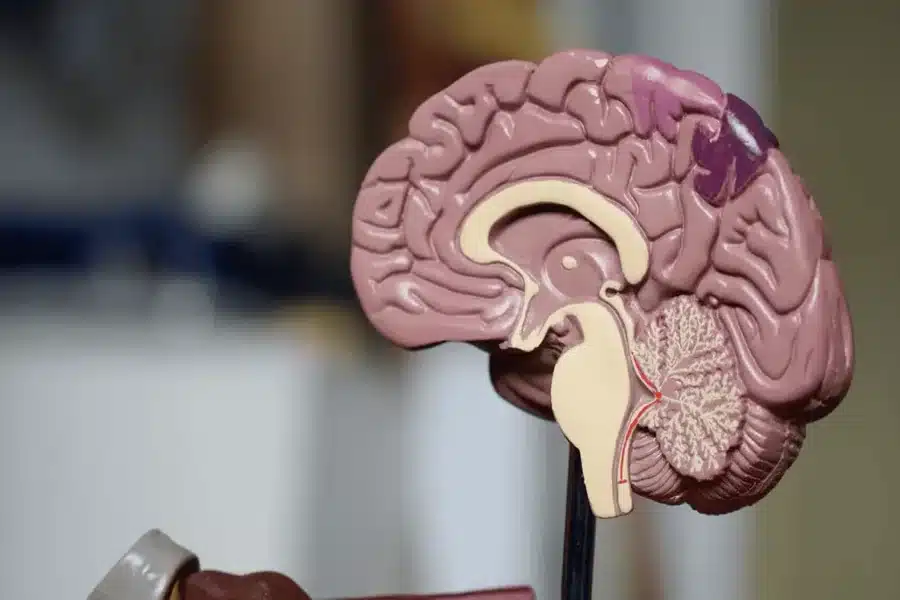
Dopamine and serotonin are two neurotransmitters that receive a lot of attention in regard to mental health. They affect your energy levels and emotional balance, sleep, appetite, and pleasure, among many other things. Although they’re often grouped, each has specific roles in the brain. They work better together than individually, and support mental wellness when understood.
To answer your questions about where motivation, mood, and happiness come from, dopamine vs serotonin is a great starting point. Human cognition and behavior are shaped largely by these two elements.
What Are Neurotransmitters?
Let’s define and explain neurotransmitters before jumping to the comparison. Put, they are messengers, chemicals in the brain that convey information between nerve cells. Some of the functions that they help manage include sleep, focus, appetite, and emotional reactions. They are also responsible for mood.
By depression, anxiety, addiction, and reward-seeking behaviors, Dopamine and serotonin are considered some of the most important neurotransmitters.
Dopamine: What Drives Motivation
Dopamine is often referred to as the “reward chemical” as it assists us in pursuing goals, experiencing pleasure, and developing habits. It is critical to how we achieve milestones and enjoy activities since attaining those milestones or even anticipating achieving them releases dopamine, reinforcing that behavior.
Important functions of dopamine consist of:
- Motivation and goal-oriented behavior
- Pleasure and satisfaction
- Use of focus and attention
- Controlling movement
- Learning and memory
Having a balanced dopamine system enables a person to take action, feel rewarded, and remain cognitively sharp. Moreover, achieving balance fosters the right amount of dopamine to engage or disengage reward circuitry effectively.
Symptoms of Imbalanced Dopamine Levels
Symptoms related to low levels of dopamine include:
- Lack of motivation
- Chronic fatigue
- Low concentration
- Reduced libido
- Mood fluctuations or apathy
Excessive levels of dopamine have also been shown to cause impulsivity, taking risks, and even certain types of mental illnesses, including schizophrenia.
Serotonin: Emotional Stability’s Cornerstone
Serotonin enhances a person’s overall balance by controlling some aspects of digestion, sleep, and even the perception of pain.
Important functions of serotonin include:
- Managing moods
- Recovery from stress
- Sleep patterns
- Controlling appetite
- Interpersonal behavior
Serotonin facilitates the feeling of emotional stability and happiness. It assists in calming better and cultivates a more peaceful state of mind.
Symptoms of Serotonin Imbalance
Lower amounts of serotonin can lead to the following issues:
- Clinical depression
- Anxiety or panic disorders
- Increased irritability/ mood swings
- Sleeping issues/ insomnia
- Digestive system concerns
Currently, many antidepressants are designed to boost serotonin levels in the brain, like SSRIs (Selective Serotonin Reuptake Inhibitors).
Dopamine vs Serotonin: What’s the Difference
While both chemicals play a role in influencing mood, their mechanics, as well as their effects, are quite different. Dopamine tends to push you towards anything exciting, which brings action or reward. Serotonin tends to provide a balance to your mood, clarity to your thoughts, and emotional stability.
To illustrate the difference:
- Dopamine: inspires you, pulling you out of bed to achieve targets
- Serotonin: helps to keep you steady and calm during the challenges coming your way.
Grasping the dopamine vs serotonin difference can help you pinpoint what requires fixing when it comes to your mental well-being.
How They Interconnect
Dopamine and serotonin interact in sophisticated ways instead of living in a vacuum. In fact, they may sometimes regulate each other. For instance, increases in dopamine may cause decreases in serotonin, and the other way around. This type of balance is critical when dealing with mood disorders such as anxiety and depression.
When both systems are functioning properly,
- You feel motivated to take action (dopamine)
- Your mood remains clear and stable (serotonin)
- You experience achievement without experiencing an emotional crash afterwards
- You manage stress and sleep soundly
When the balance of these two systems is off, it can feel like you are either struggling to find peace or endlessly chasing a high.
Mental Health Issues Associated With Imbalance
Many mental health issues are associated with these two neurotransmitters. While everyone’s brain is different, certain trends tend to repeat.
Conditions associated with low dopamine may include:
- ADHD
- Substance abuse or addiction
- Lack of motivation
- Depression with fatigue or low energy
Conditions associated with low serotonin may include:
- Generalized Anxiety Disorder
- Panic disorder
- Obsessive-compulsive disorder (OCD)
- Depression is characterized by sadness or emotional volatility
Oftentimes, effective treatment involves diagnosing which system is underactive or overactive and customizing therapy or medication to fit those needs.
How to Support dopamine and serotonin production Natural Way
Changes to one’s lifestyle can enhance the production of dopamine and serotonin. Although severe cases may require medical attention, supporting healthy neurotransmitter function can often be done naturally.
How to Boost Dopamine Levels
To help increase the dopamine levels:
- Implement 2-3 engaging workouts in a week
- Achieve small goals that can be completed with ease
- Enjoy creative activities such as dancing and listening to music.
- Good sleep and sleep quality
- Nourishing your body with food such as eggs, fish, and leafy vegetables that are rich in tyrosine
How to Increase Serotonin Levels
Mindfulness meditation and sunlight help to elevate serotonin levels.
People can also:
- Spend time in sunlight
- Interact with loved ones whom they value
- Practice mindfulness or meditation
- Eat foods that have high content in tryptophan content (oat, turkey, and seeds).
- Stick to a sleep schedule.
Both chemicals will thrive in the body if there is adequate social support, rest, and nourishment.
Can You Have Too Much?
Excess levels of neurotransmitters can be equally problematic.
Increased dopamine levels would lead to increased risk-taking behaviors, while an excessive amount of serotonin can lead to more dangerous conditions, such as serotonin syndrome.
Balance is the goal. That’s why focusing on the symptoms that disrupt daily functioning makes working with a mental health professional essential.
The Role of Therapy and Medication
Therapy has a strong effect on brain chemistry and regulation. An illustrative example is Cognitive Behavioral Therapy (CBT), which, through its method of altering thoughts and behaviors, can influence both dopamine and serotonin pathways.
Also important, supportive therapy can be provided with medication. Depending on the symptoms, a provider may suggest:
- SSRIs (for low serotonin)
- SNRIs (affect both dopamine and serotonin)
- Dopamine agonists (for motivation and energy)
The key is personalized care. No two individuals will have the same needs when it comes to balancing the neurotransmitters.
When to Seek Help
If you feel emotionally numb, have unusual anxiety, lack motivation, or experience feelings of detachment, consider the possibility of unhelpful brain chemistry. In these scenarios, it is best to consult a qualified professional who can evaluate your situation without providing assumptions and self-diagnosis. A brain biomarker program can help evaluate your brain health.
Proactively addressing issues results in better long-term outcomes. Everyone has the right to feel motivated, emotionally connected, and balanced, and help is out there.
Last Considerations
Knowing dopamine vs serotonin allows you to understand the inner workings of your brain and how it influences your emotions, behavior, and mental well-being. Both of these neurotransmitters play essential roles in determining our motivation levels and regulating emotions.
For individuals looking to prioritize their mental wellness with professional guidance, the staff at the Mental Health Center of San Diego is ready to walk with you with tailored support and heartfelt understanding.