Determining Fault For A Bicycle And Car Accident In Texas
 Johnathan Parker |
August 23, 2025 |
7:57 pm
Johnathan Parker |
August 23, 2025 |
7:57 pm
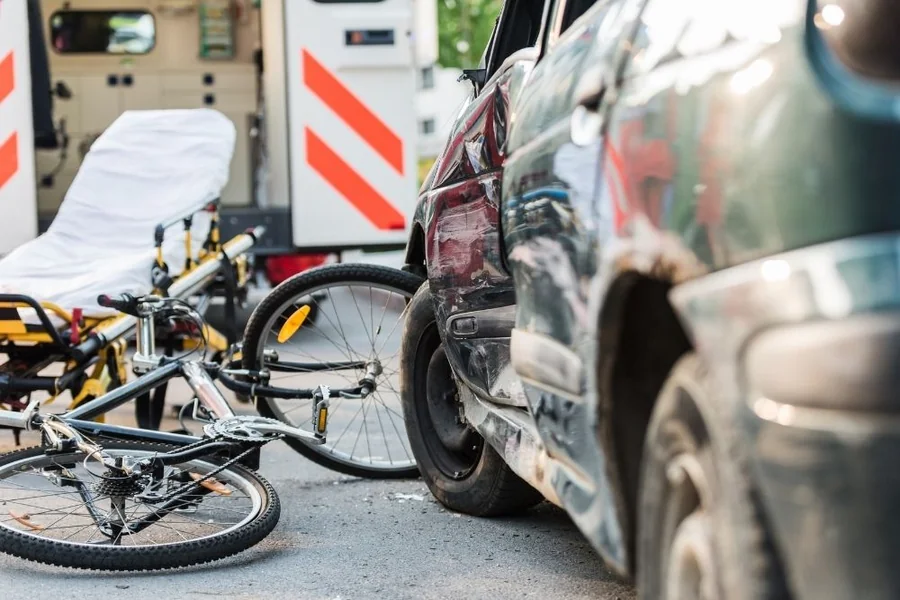
Let us paint a picture: You are cruising down Guadalupe Street in Austin, windows down, country music humming, when out of nowhere, you hear a bang, and you collide with a cyclist. Or maybe you are the one pedaling down Houston’s Heights Boulevard when a car door flies open like a jack-in-the-box. Whether you drive four wheels or pedal on two, accidents between cars and bicycles are no small matter here in Texas.A major question that often sparks contention is: Who is at fault? “Determining fault in a bike-and-car accident in Texas is a bit more than just pointing fingers,” says Felix Gonzalez of Felix Gonzalez Accident and Injury Law Firm. It is about law, evidence, and a fair share of common sense.
Road Rules Under Texas Law
First things first, under Texas law, bicyclists have the same rights and responsibilities as motor vehicles. That means when you are on a bike, you are not just a recreational rider, but are a full-on road user. Like drivers, cyclists must stop at red lights, yield when appropriate, and ride in the direction of traffic.If a cyclist blows through a stop sign or swerves into traffic without looking, they may be held liable. On the other hand, if a driver fails to yield to a cyclist in a bike lane or makes a reckless turn, that driver may be held liable.
Determining Fault is Not Always Black and White
Texas uses something called “modified comparative negligence,” which means that fault can be shared. Let’s say both the cyclist and the driver made mistakes; perhaps the cyclist was not wearing reflective gear at night, and the driver was texting. A jury could determine that the cyclist was 30 percent at fault and the driver 70 percent at fault.The kicker is that if you are more than 50 percent at fault in Texas, you cannot recover damages. That is a significant issue if you are the injured party seeking assistance with medical bills, lost wages, or a totaled vehicle.
Common Bike and Car Accident Scenarios in Texas: Who is Likely at Fault?
Let us break down a few real-world examples likely to happen in Texas:
-
The Right Hook
A driver turns right without checking their blind spot and takes out a cyclist riding straight through the intersection.Fault: Usually on the driver because cyclists going straight have the right of way.
-
The Dooring
Someone in a parked car flings their door open into a bike lane, and suddenly, the cyclist hits it.Fault: That is on the person who opened the door because Texas law requires car occupants to check before opening.
-
The Crosswalk Confusion
A cyclist rides across a crosswalk without dismounting and gets hit.Fault: Depends on how the scenario played out. If the cyclist darted into traffic too quickly, they might share some blame. But if a driver was speeding or distracted, that changes the direction of the claim.
-
Night Riding Without Lights
A cyclist cruises at night without a headlight or rear reflector and gets hit.Fault: Under Texas law, cyclists are required to have lights at night, so riding without them can reduce or eliminate their chances of recovery.
What If the Driver or Cyclist was Not Wearing a Helmet?
In Texas, adults are not legally required to wear bike helmets (though some cities, like Dallas and Fort Worth, have local rules). However, not wearing a helmet does not automatically make you at fault. That said, if you suffer a head injury and were not wearing one, the insurance company may argue you contributed to your injuries and try to reduce your compensation.
Conclusion
Bikes and cars can share the road just fine, until they do not. When accidents happen, determining fault is not about blaming the biggest vehicle; it is about the facts, the law, and how each party acted. Whether you are a driver, a cyclist, or someone who does both, knowing your rights and responsibilities is the first step in staying safe and holding others accountable when things go south. If you are hurt and unsure where to turn, reach out to a local attorney who knows how to steer through these rough roads.