Breakout Stocks to Watch: Technical Strength or Hype?
 Johnathan Parker |
August 22, 2025 |
2:28 pm
Johnathan Parker |
August 22, 2025 |
2:28 pm
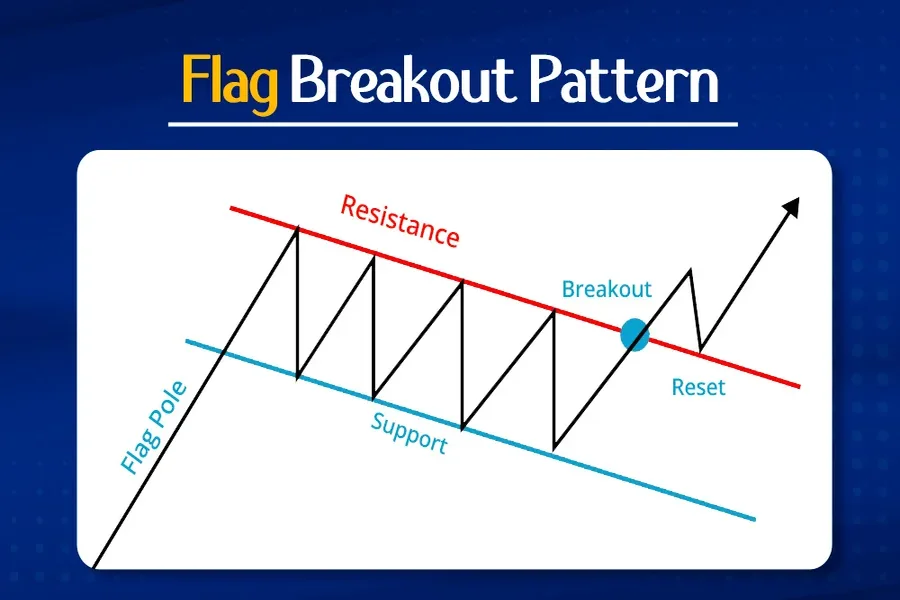
Breakout stocks are a popular option among traders, often promising significant gains as they surge past established resistance levels. A breakout occurs when a stock’s price moves above a resistance level or below a support level, accompanied by high trading volume, signaling strong conviction among market participants. In this blog, we will explore how to identify genuine breakout stocks.
What are breakout stocks?
A breakout occurs when a stock moves above a significant resistance level or below a support level with strong volume. These breakouts often signal the start of a new trend, either bullish or bearish. For many traders, these breakout stocks offer opportunities for quick gains.
A resistance breakout occurs when a stock’s price moves above a price level that it has struggled to surpass in the past. It suggests that buyers have overcome selling pressure, and the breakout stock is likely to continue its upward trend. By identifying early whether these breakouts are genuine or hype, traders can generate attractive returns on their investments.
Conversely, a support breakout occurs when the price rises above a specific price floor, indicating that buyers are dominating and the breakout stock is likely to follow an upward trend. Therefore, not all breakouts are equal and require a deep analysis before investments.
Distinguishing between a strong breakout and or hype-driven move is essential for successful trading.
Technical Strength
A true breakout is characterized by a strong, sustained move beyond the resistance level, supported by higher-than-average trading volume. After the initial breakout, the price may retest the broken resistance level (which now acts as support) before continuing its upward trajectory.
This “retest” often confirms traders. Fundamentally, these stocks may have positive news, strong earnings, or a favorable industry outlook, which reinforces the technical move.
Hype
These are false breakouts where the price briefly moves beyond the resistance level but quickly reverses, often trapping traders who entered too early. False breakouts are usually characterized by low volume on the breakout move or a rapid loss of momentum after the initial surge.
They may be triggered by speculative news, social media buzz, or short squeezes that lack underlying fundamental strength.
Key Indicators for Identifying Strong Breakouts
To identify real breakout opportunities, traders often use a combination of technical indicators and fundamental analysis to avoid buying overvalued stocks. Some of those are discussed below:
Surge in Trading Volume
A breakout is always marked by a significant increase in trade volume. This confirms strong buying interest and adds credibility to the move. A breakout with a little trading volume surge often indicates a weak move.
Candlestick Patterns
Strong bullish candlesticks (e.g., large green candles, engulfing patterns) on the breakout day indicate strong buying pressure. Avoid breakouts with small-bodied candles or long upper wicks, which suggest indecision or selling pressure.
Moving Averages
Observe the stock’s relationship with key moving averages (e.g., 50-day, 200-day Simple Moving Averages). A breakout above resistance that is also above these moving averages can signal a strong bullish trend. Moving averages can also act as dynamic support levels after a breakout.
Relative Strength (RS) Line
A rising RS line indicates that the stock is outperforming the broader market. A breakout in a stock with a strong RS line suggests it is a leader in its sector.
Fundamentals
While technicals are key for timing, strong fundamentals can often underpin a sustainable breakout. Look for stocks with strong earnings growth, Innovative products or services, favorable industry trends, and Positive analyst ratings.
Conclusion
Breakout stocks offer exciting opportunities for capital appreciation, but success hinges on deep analysis and disciplined risk management. By combining volume confirmation, recognizable chart patterns, and fundamental insights, traders can increase their chances of identifying genuine technical strength rather than falling victim to fake hype.
Remember, not every breakout is a winner, and protecting capital through stop-loss orders is just as important as identifying promising entries.