Beyond Traditional Therapy: Creative Strategies to Heal from Trauma
 Johnathan Parker |
June 30, 2025 |
5:50 pm
Johnathan Parker |
June 30, 2025 |
5:50 pm
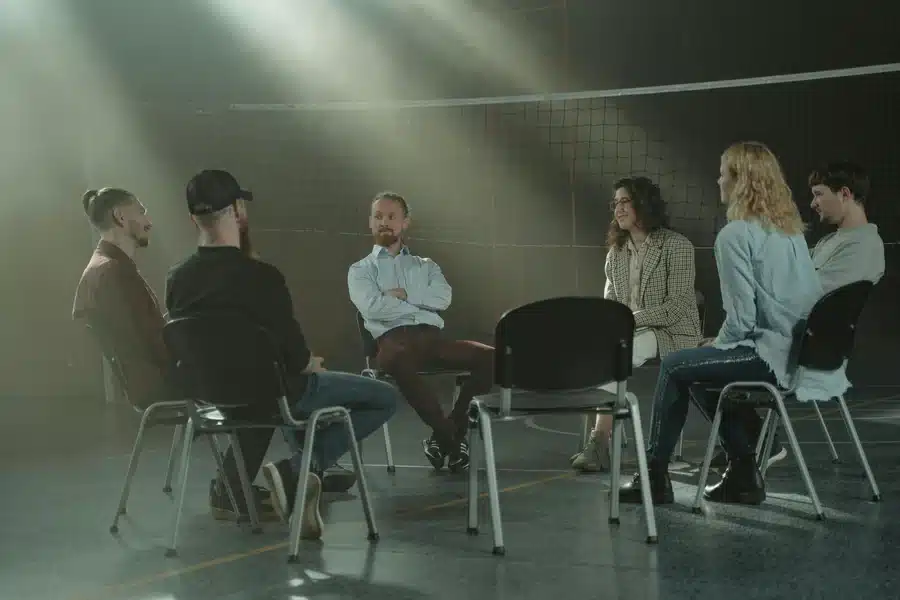
Trauma doesn’t always respond to conventional therapy in expected ways. For many, sitting across from a therapist and talking through pain is only part of the solution. Healing is deeply personal, often nonlinear, and sometimes requires venturing beyond the typical couch-and-notepad setting. As understanding of trauma evolves, so do the methods used to treat it. Today, therapists and survivors alike are embracing innovative, creative tools to access buried emotions, reframe painful memories, and rebuild a sense of safety and identity.
This article explores eight unconventional yet powerful strategies helping individuals move forward from trauma—and maybe even find joy in the process.
1. Art as Expression: Using Visual Arts to Process Pain
Visual art reaches places language can’t. Drawing, painting, and sculpting allow individuals to express emotions that are too complex, painful, or deeply buried to verbalize. Art therapy is especially effective for people who have difficulty describing their trauma or who feel disconnected from their emotions.
Working with a trained art therapist, individuals explore their inner world through images and symbols. These creations can reveal unconscious thoughts and open doors to new understanding.
2. Healing in Disguise: How Role-Playing Games
Role-playing games offer more than an escape; they create a safe space to experiment with identity, control, and emotion. In therapeutic settings, Dungeons & Dragons or D&D therapy is increasingly used to support individuals with trauma, anxiety, and social challenges. Under the guidance of a licensed therapist, players take on fictional personas who encounter conflict, form alliances, and make meaningful choices. These fantasy experiences mirror real-world dynamics and allow participants to process internal struggles without direct confrontation.
The structure of the game encourages trust, creativity, and collaboration. As players navigate a campaign, they learn to solve problems, set boundaries, and express feelings—often without realizing the therapeutic depth of their participation. For trauma survivors, this indirect path to healing can be both powerful and less intimidating than traditional conversation-based therapy.
3. The Power of Movement: Dance and Somatic Therapies
Trauma often takes root in the body, storing tension, fear, and memory in muscle and movement. That’s why somatic therapies—which focus on body awareness and physical expression—can be essential in trauma healing. Dance/movement therapy, yoga, and somatic experiencing help people reconnect with their physical selves, especially when they feel numb, dissociated, or overwhelmed.
Through guided movement, individuals release trauma stored in the nervous system. There’s a rhythm to this kind of healing that bypasses the rational brain and works directly with felt experience. The result is often a sense of relief, empowerment, and reconnection with the present moment.
4. Storytelling for the Soul: Narrative Therapy
Narrative therapy gives survivors a chance to reshape their story. Instead of viewing trauma as the defining feature of their identity, individuals learn to recognize themselves as active agents in their lives. They reframe events, explore alternative outcomes, and highlight their strengths and survival.
This method isn’t about denial—it’s about perspective. Therapists help clients separate themselves from their problems, making room for growth and new interpretations. Narrative therapy helps people understand that while they can’t change the past, they can change how it lives within them.
5. Music Therapy: Healing Through Rhythm
Music moves through the body and stirs emotion in ways that are often hard to explain. That’s what makes it such a valuable tool in trauma recovery. Whether it’s listening, composing, or playing, music therapy helps people regulate their emotions, access memories, and find comfort.
Some therapists use structured musical activities, while others focus on improvisation. In either case, the emphasis is on expression and connection.
6. Nature-Based Healing: Ecotherapy and Animal-Assisted Interventions
Spending time in nature has a calming, restorative effect. For trauma survivors, nature-based therapies create opportunities for grounding, presence, and emotional regulation. Ecotherapy includes guided outdoor experiences like hiking, gardening, or sitting silently in a forest. These activities promote mindfulness, reduce stress, and foster a sense of connection beyond the self.
Animal-assisted interventions take this a step further by involving therapy animals in the healing process. Working with dogs, horses, or even smaller animals can help individuals reestablish trust and safety.
Why animals? Because animals don’t judge. They respond to energy and presence, which encourages trauma survivors to be more attuned to their own emotions and boundaries.
7. Writing to Heal: Journaling and Expressive Writing Techniques
Writing is a way to give shape to experience. Journaling helps trauma survivors explore what happened, how it affected them, and what it means moving forward. Expressive writing techniques go beyond daily notes—they involve writing with intention, whether that’s telling one’s story, composing letters never sent, or answering prompts that reveal deeper emotional layers.
Studies show that consistent expressive writing can reduce anxiety, improve mood, and even help with physical symptoms. When people write about traumatic events in a structured way, they often gain clarity and perspective. The act of putting thoughts into words can lessen their emotional intensity and help restore a sense of coherence to what felt fragmented or overwhelming.
8. Sacred Practices: Ritual, Ceremony, and Spiritual Exploration
Trauma can fracture a person’s sense of meaning and belonging. Rituals and spiritual practices offer a way to rebuild those inner foundations. Whether rooted in religion, culture, or personal belief, sacred practices can help survivors honor what they’ve been through and create new paths forward.
For some, this might involve lighting a candle or repeating a mantra. For others, it could mean participating in a cultural ceremony or spending time in meditation. These practices are deeply personal but share a common thread—they create moments for reflection, release, and transformation. When survivors reclaim spiritual or cultural traditions, they often feel more anchored, empowered, and connected to something larger than themselves.
Healing from trauma is complex, and no single approach works for everyone. Creative and integrative strategies open up new paths that are gentle, flexible, and deeply human. Whether it’s through role-play, animals, art, or sacred rituals, these methods invite survivors to reconnect with themselves in ways that are often more intuitive and less pressured than traditional therapy alone. They support not just recovery, but a renewed sense of aliveness.