A Practical Guide to Semaglutide Injections for Weight Management
 Johnathan Parker |
August 27, 2026 |
2:56 pm
Johnathan Parker |
August 27, 2026 |
2:56 pm
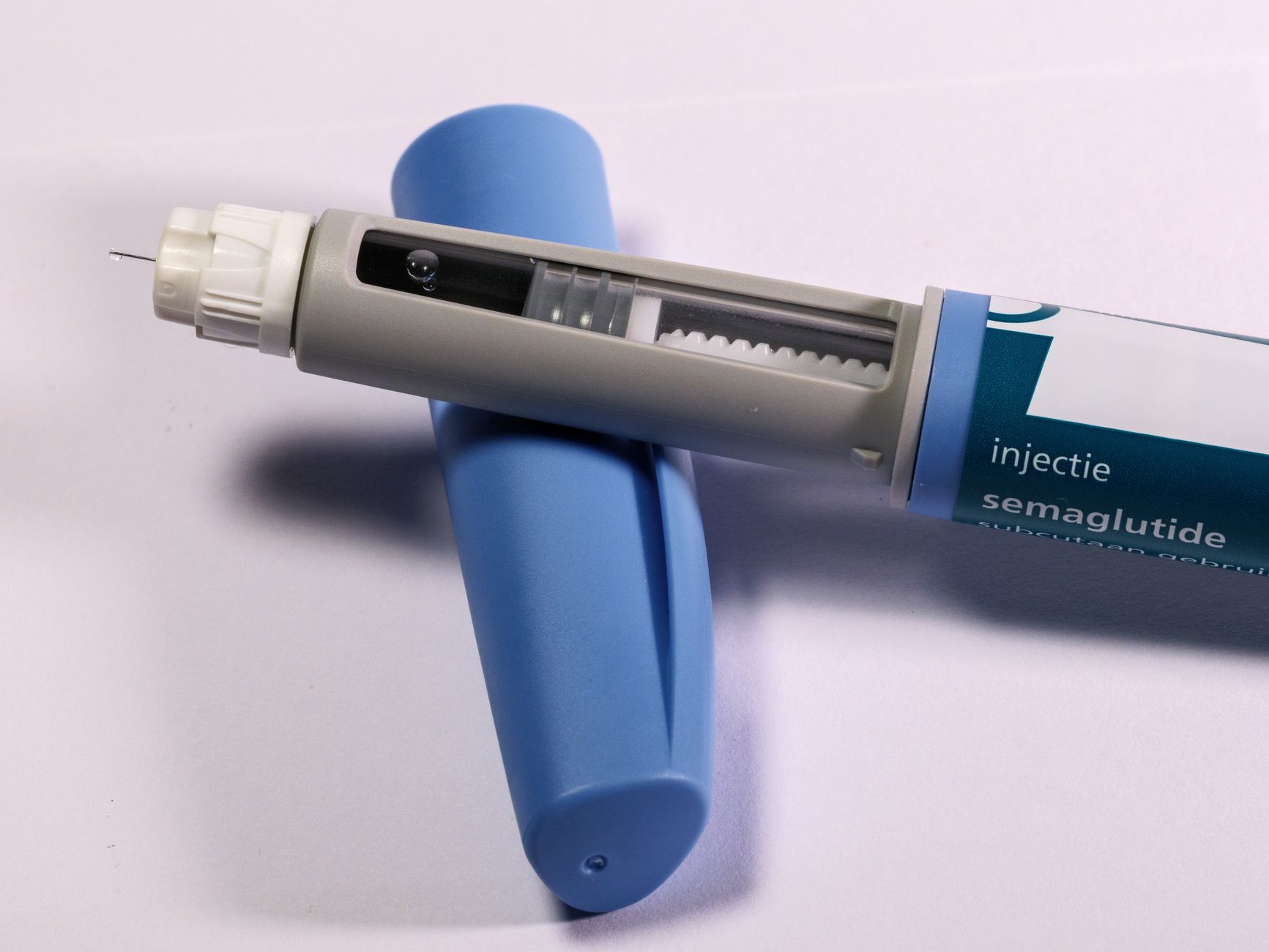
This treatment is now a familiar part of the conversation about medical weight management. Many people hear about it through friends, news stories, or searches for GLP-1 medication, but the practical questions often come later. How does the medication work? Who should supervise it? What side effects should be expected? And how does someone turn appetite changes into lasting progress?
Understanding the GLP-1 Pathway
Semaglutide is a GLP-1 receptor agonist. GLP-1 is a hormone involved in fullness, digestion, and blood-sugar regulation. By acting on this pathway, semaglutide can help some patients feel satisfied sooner, experience fewer cravings, and reduce overall food intake. It may also slow gastric emptying, which means food leaves the stomach more gradually. These effects can support weight loss when paired with an appropriate eating plan.
Readers comparing medical weight-loss options may come across Semaglutide injections while learning about supervised GLP-1 programs, medication choices, and the difference between general dieting and provider-guided care. The key point is that semaglutide is not simply a cosmetic trend; it is a prescription therapy that should be considered in the context of health history, goals, risks, and long-term maintenance.
Why Supervision Is Important
A qualified provider should evaluate whether semaglutide makes sense for a particular patient. That evaluation may include weight history, body mass index, metabolic conditions, current medications, personal and family medical history, and recent lab results. It should also include a discussion of pregnancy plans, pancreatitis history, gallbladder concerns, severe gastrointestinal disease, and other factors that could affect safety.
Supervision matters after treatment starts too. Patients may need help adjusting doses, managing nausea or constipation, protecting hydration, and recognizing when symptoms should be reported. A provider can also help distinguish expected early side effects from issues that require a change in plan. Without that guidance, patients may stop too early, increase too quickly, or miss signs that the medication is not the right fit.
What Treatment Usually Feels Like
Many patients start at a low dose and increase gradually. This staged approach gives the body time to adapt and helps reduce side effects. During the first weeks, some people notice appetite changes quickly, while others need more time before results become obvious. Weight loss is rarely perfectly linear. Weeks of progress may be followed by plateaus, and those plateaus do not always mean the medication has stopped working.
Common side effects can include nausea, fullness, constipation, diarrhea, reflux, or fatigue. These effects are often manageable, but they should not be ignored. Eating smaller meals, reducing greasy foods, drinking enough fluids, and prioritizing protein can help, but patients should still follow their provider’s instructions. Severe or persistent symptoms deserve prompt medical attention.
Nutrition and Muscle Preservation
When appetite decreases, nutrition quality becomes more important. Eating less is only helpful if the body still receives enough protein, micronutrients, and fluid. Patients using semaglutide should avoid treating low appetite as permission to skip nourishment for long stretches. A thoughtful plan may include protein at each meal, vegetables or fruit for fiber, adequate water, and resistance training to support lean mass.
Muscle preservation is often overlooked in weight loss. Losing weight too quickly, eating too little protein, or avoiding strength work can reduce lean tissue along with fat. That can affect strength, metabolism, posture, and long-term maintenance. A medical program that tracks more than scale weight can help patients focus on body composition and function, not just pounds lost.
Planning for Maintenance
One of the most important conversations should happen before the goal weight is reached: what comes next? Some patients continue medication long term, some reduce the dose, and some stop under medical guidance. Whatever the path, maintenance requires a plan. Appetite may change, schedules may become stressful again, and old eating cues may return.
Maintenance planning can include regular check-ins, updated nutrition targets, strength training routines, relapse-prevention strategies, and clear signs that a patient should seek support. It may also include discussion of weight regain, which is common after stopping many weight-loss treatments. Framing this honestly helps patients avoid shame and make informed choices.
Choosing a Program Carefully
Patients should look for a program that explains medication options clearly, uses appropriate screening, provides follow-up, and discusses realistic outcomes. They should feel comfortable asking about side effects, sourcing, dosing instructions, alternatives, and the expected timeline. A rushed or one-size-fits-all process is a warning sign, especially with medications that affect digestion and metabolism.
Monitoring Progress Beyond the Scale
Scale weight is useful, but it is not the only sign that treatment is working. Patients may notice steadier appetite, fewer urgent cravings, better meal timing, improved energy, or better consistency with movement before every change shows up as pounds lost. A medical program can help interpret those signals and decide whether the plan needs adjustment or simply more time.
Tracking should also look for problems. If a patient is losing strength, skipping meals, feeling constantly nauseated, or avoiding food groups because eating feels difficult, the plan may need to slow down. Semaglutide can support weight loss, but the goal is healthier weight management, not the fastest possible drop. Good monitoring keeps the focus on function, nutrition, tolerability, and long-term stability.
Conclusion
This therapy can be a meaningful tool for people who qualify for medical weight management, but the best results come from structured care. Medication may make appetite easier to manage, yet supervision, nutrition, movement, safety monitoring, and maintenance planning shape the overall outcome. For patients considering treatment, the smartest approach is to seek clear medical guidance and treat the process as a long-term health decision.