How to Prepare a Rare Bourbon Bottle for a Potential Sale
 Johnathan Parker |
November 4, 2026 |
3:19 pm
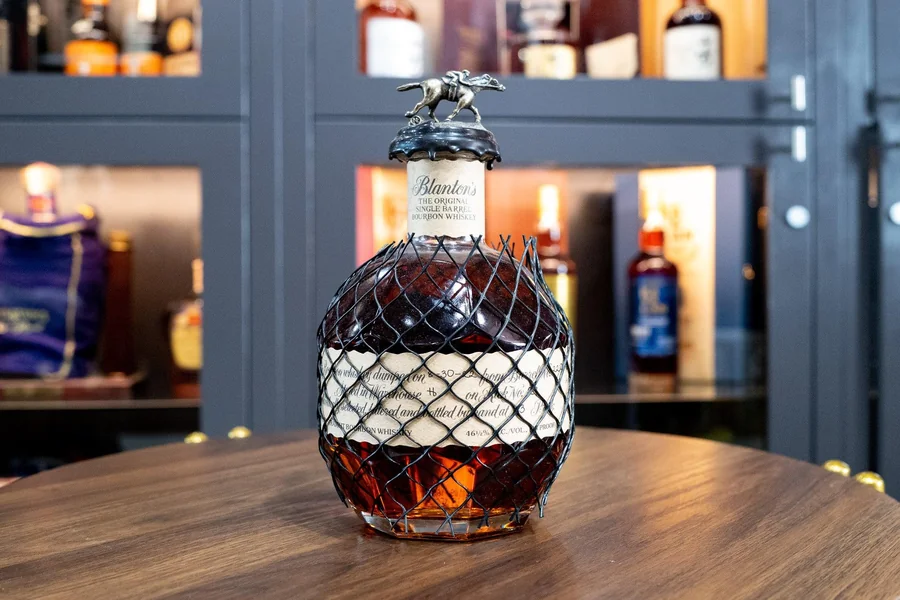
A bottle that has spent years in a cabinet can raise surprisingly specific questions when its owner considers selling it. Which release is it? Has the seal remained intact? Is the original box still nearby? A recognizable brand name is only the beginning of an accurate description.
Preparing the bottle means gathering evidence without changing its condition. Clear photographs, careful transcription of the label, and a record of what you know help a prospective buyer assess the same item you are looking at. They also make it easier to compare an initial indication of interest with the terms of an actual offer.
Identify the Particular Release
Start with the words and numbers printed on the bottle. Record the producer or brand, expression name, stated age, proof or alcohol percentage, bottle size, and any batch, barrel, or release information. Keep these details exactly as shown. If you are unsure what a code means, photograph it and mark the interpretation as uncertain.
Do not assume that two similar bottles are identical. A familiar label design can appear across different releases, and an online result may describe a version that does not match yours. Compare the details before using that result to form expectations about interest or value.
Owners looking to sell rare bourbon can submit bottle details and photos to We Buy Bottles for an offer request. Preparing that information first makes the inquiry more specific. A request for an offer is a way to begin a discussion, not proof that a particular bottle will be accepted or achieve an expected price.
Describe Condition Before Doing Anything to the Bottle
Examine the label, closure, fill level, and packaging in good light. Note visible scuffs, tears, staining, leakage, or damage without trying to explain away what you see. A plain description such as “small tear at the lower label edge” is more useful than a general claim that the bottle is in excellent condition.
Keep the bottle unopened. Removing a capsule or testing the contents changes the item you are asking someone to evaluate. Avoid touching fragile labels unnecessarily or applying cleaners to improve the photographs. If you notice a condition problem, document it and ask how it affects the buyer’s assessment.
Keep presentation materials together, including boxes, tubes, tags, and accompanying inserts. Do not attach loose items to the bottle with tape or adhesive. Store them nearby with a note that identifies the bottle they belong to. If the connection is uncertain, say so instead of presenting the packaging as original to that item.
Photograph the Details a Buyer Needs
Place the bottle on a stable surface with a simple background. Use enough light to make the label readable while avoiding glare that conceals text or the liquid level. Take an overall view before moving to close details. This helps the reviewer connect each image to the same bottle.
A useful photo set includes:
- A full front view showing the bottle and main label.
- A back view with the remaining label information visible.
- A close view of the closure and any intact seals.
- A view that clearly shows the current fill level.
- Readable images of batch, barrel, or release markings.
- Separate views of packaging and any visible damage.
Keep unedited originals. Cropping a duplicate image for readability can help, but filters and heavy adjustments can obscure condition. If a photograph does not show a detail clearly, take another rather than trying to make the image imply more certainty than it provides.
Gather Provenance Without Filling the Gaps
Provenance means the documented history of where an item came from and how it has been held. Receipts, dated correspondence, and collection records can help explain a bottle’s background. Put copies alongside the inventory entry while keeping sensitive payment or personal information protected.
Distinguish direct knowledge from a family story or an assumption. You may know when you acquired the bottle but not where an earlier owner stored it. Record those limits honestly. A detailed account is useful only when the reader can tell which parts are supported.
If the bottle came from an estate or shared collection, confirm who is authorized to make decisions about it before pursuing a transaction. Identification and documentation can proceed while that question is clarified, but an inquiry should not quietly become a commitment on someone else’s behalf.
Compare Offers on the Same Basis
Ask what the quoted amount covers and whether it depends on inspection. Identify the specific bottle, included packaging, and disclosed condition in the written offer. If several bottles are involved, ask whether the amount applies to the entire group or whether individual items have separate figures.
Separate an asking price found online from evidence of a completed transaction. Even completed results need context, including the release, condition, date, and any charges included in the displayed amount. Use comparisons to ask better questions rather than assume that another bottle’s result determines yours.
Before accepting, clarify any deductions, payment timing, and the process if the item is assessed differently on arrival. Ask how a disagreement would be handled and who is responsible for a return. Clear terms matter even when the initial conversation has been friendly and prompt.
Confirm the Transfer Arrangements Before Packing
Alcohol sale and shipment requirements depend on the circumstances and jurisdictions involved. TTB’s alcohol-authority directory explains that state and local requirements can apply alongside federal requirements and provides contacts for the relevant authorities. Check the proposed arrangement rather than assuming that ownership of a collectible bottle automatically permits any method of sale.
Obtain the receiving party’s instructions and confirm the permitted shipping process before dispatch. Clarify packaging, the shipment reference, any coverage limits, and how loss or damage would be documented. A shipping label alone does not explain every responsibility or establish that an arrangement is appropriate for your location.
Keep a copy of the bottle description, photographs, agreed terms, and dispatch records. Accurate preparation gives both parties a shared reference from the first inquiry through the final inspection. Whether you proceed or decide to retain the bottle, you will have a clearer record of what you own and what a proposed sale actually involves.