6 Beginner Questions About BPC-157, Answered Plainly
 Johnathan Parker |
October 15, 2026 |
4:22 pm
Johnathan Parker |
October 15, 2026 |
4:22 pm
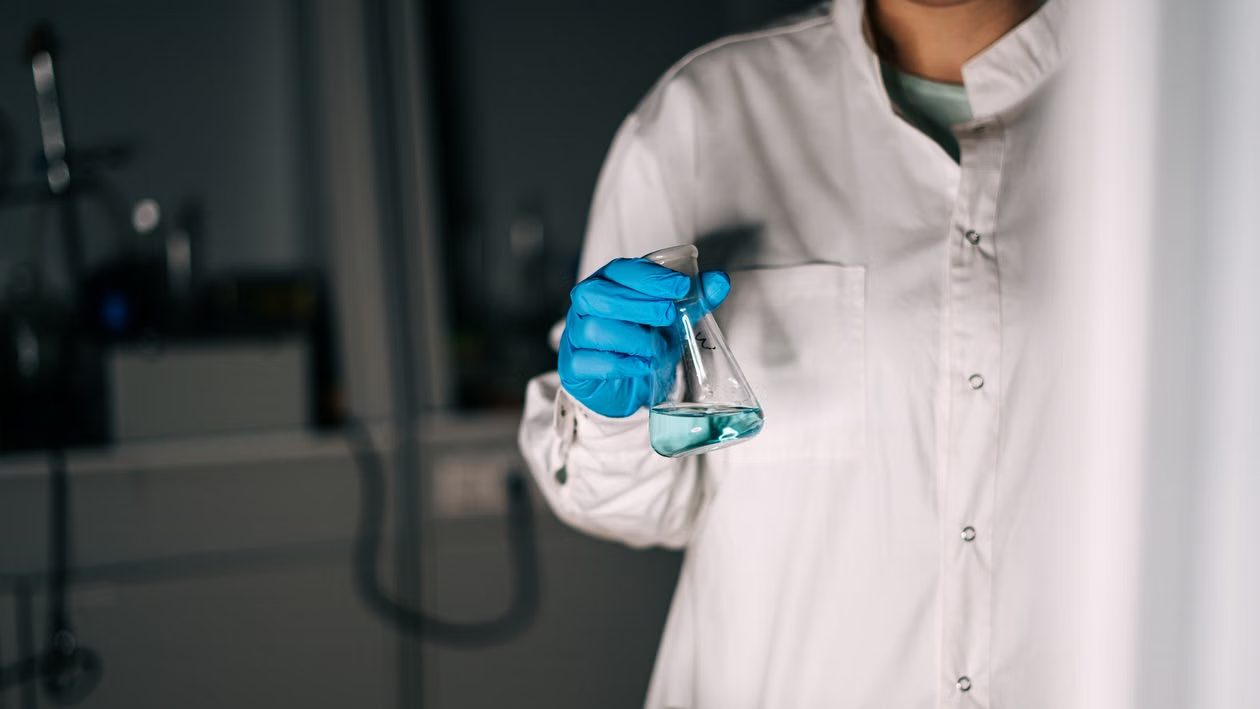
There is an excellent chance that when you are new to the realms of research peptides, the BPC-157 will be one of the first names that you will encounter, and you will soon be inundated with opinions of confidence. The following are six default level questions that can be answered in a plain language, allowing you to see what is basic of what is hype.
1. What Is BPC-157?
BPC-157 is an artificial peptide, a mini chain of amino acids which is produced in a laboratory. It’s modeled on a fragment of a protein found in gastric juice. It is not a product but a compound which is learned in research scenarios.
2. Where Does the Name Come From?
The compound is referred to as Body Protection Compound, which is used in early laboratory research, and with the number 157 labeling the exact sequence of the compound. People often shorten it when searching, so a query for bpc157 points to the same molecule written without the hyphen. The name is descriptive, not a brand.
3. Is It the Same as a Supplement?
No. A dietary supplement is controlled and is meant to be consumed, whereas BPC-157 is marketed as a research reagent to be used in research laboratories exclusively. A very frequent mistake which begins with the beginner is to consider the two synonymous. The labelling is not allowed without a reason.
4. What Does the Research Actually Cover?
The majority of the researches are done on cell cultures and animals and investigate such processes as tissue repair. Those are initial scientific questions, and not illustrations of human outcomes. Interesting observations in a petri dish or a rodent do not necessarily translate to human beings.
5. Why Isn’t It Approved for People?
It has nothing like large and well-controlled human trials to prove its safety or efficacy, and thus has no FDA approval to be used in humans. It’s also banned in tested sport. Those are the facts that any novice will want to remember.
6. How Do You Judge a Good Source?
Find a batch-specific certificate of analysis by a third-party lab named, clear labeling of the research-use-only, no health claims. It is good to have purity by HPLC and identity by mass spectrometry. The difference between a solid source and a sketched source is in documentation, as opposed to marketing.
The Bottom Line
BPC-157 is an artificial research peptide whose science is still in early stages and has not yet been approved to use in humans. Being aware of its nature, the reason it is research-only and the ability to find a documented source lets beginners have a grounded starting point with no norse information attached to it.