Can You Sue for Emotional Abuse in Boynton Beach Nursing Homes?
 Johnathan Parker |
October 8, 2026 |
12:54 pm
Johnathan Parker |
October 8, 2026 |
12:54 pm
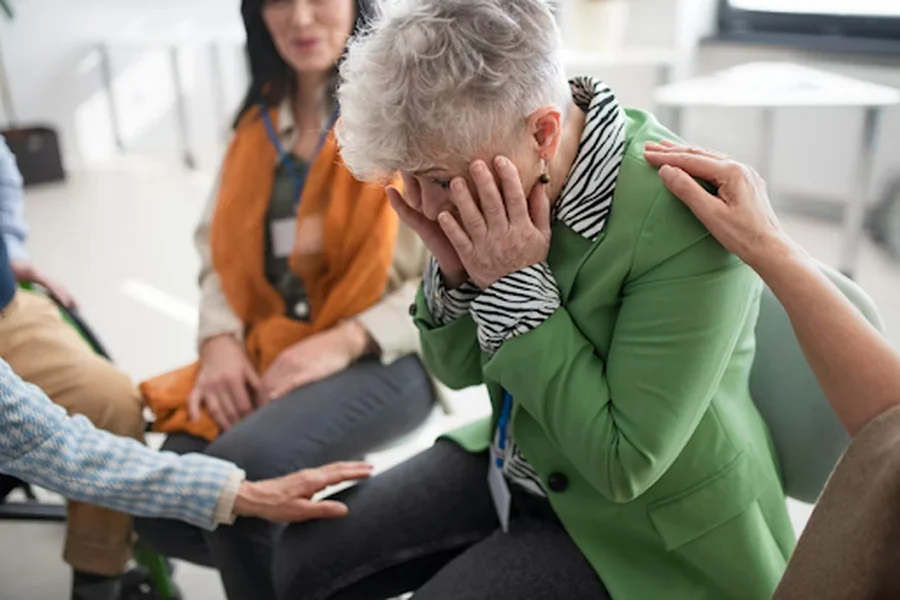
Emotional abuse in Boynton Beach nursing homes can cause serious psychological harm, even without visible injuries. It is often harder to detect, which makes early recognition important.
Florida law allows legal action when emotional abuse results from negligence or intentional mistreatment. A nursing home negligence attorney reviews the situation to determine whether the facility failed in its duty of care.
This type of abuse may include verbal threats, humiliation, intimidation, isolation, or repeated disrespectful behavior. It can lead to anxiety, depression, withdrawal, and fear in residents who depend on caregivers for daily support.
How Emotional Abuse Occurs in Nursing Homes
Emotional abuse in nursing homes often happens in environments where staffing is limited, training is inadequate, or supervision is weak. It can also occur when facilities do not enforce proper behavior standards. Residents who depend on caregivers for daily support are often unable to report or avoid mistreatment.
Common forms include yelling, insults, threats, ignoring residents, or isolating them from others. In some cases, residents may be left alone for long periods or denied contact with family members. While these actions may not cause physical injury, they can seriously affect emotional well-being.
A nursing home abuse attorney reviews these patterns to determine whether the facility failed to protect residents or whether staff behavior caused emotional harm.
Recognizing Signs of Emotional Abuse
Emotional abuse is often seen through changes in behavior rather than physical injuries. Residents may become quiet, withdrawn, fearful, or less engaged during visits.
Other signs include mood swings, depression, confusion, or reluctance to speak in front of staff. Some may show anxiety around certain caregivers, refuse help, or experience sleep and appetite changes.
The Centers for Disease Control and Prevention recognizes that elder abuse includes psychological harm that results in fear, distress, or emotional suffering. These symptoms should always be taken seriously, especially when they appear alongside signs of neglect or poor care.
Legal Basis for Emotional Abuse Claims
Yes, families can sue for emotional abuse in Boynton Beach nursing homes when there is evidence that the facility failed in its duty of care. A nursing home negligence attorney must show that the nursing home had a responsibility to provide safe and respectful treatment, but failed to do so.
Under Florida law, nursing homes are required to protect residents from harm, including emotional mistreatment. When staff engage in abusive behavior or when the facility fails to prevent it, legal liability may arise.
Emotional abuse claims may be based on negligence, failure to supervise staff, or violation of resident rights. In some cases, intentional misconduct by staff members may also support a claim.
Evidence Needed in Emotional Abuse Cases
Because emotional abuse does not always leave physical marks, evidence is especially important. Common types of evidence include:
1.Testimony from family members or visitors
2. Statements from other residents or staff
3. Medical or psychological evaluations
4. Behavioral records or care notes
5. Complaints filed with the facility or regulators
A nursing home abuse attorney uses this information to establish patterns of mistreatment and demonstrate how the resident was affected.
In some cases, facility records may show repeated complaints or staffing issues that contribute to emotional harm. These details help support the claim that the abuse was not an isolated incident.
Impact of Emotional Abuse on Elderly Residents
Emotional abuse can have serious consequences for elderly individuals. It may lead to depression, anxiety, loss of trust, social withdrawal, and physical decline. In vulnerable residents, emotional distress can also worsen existing medical conditions.
Research from the National Institute on Aging explains that elder abuse, including emotional harm, can significantly affect both mental and physical health outcomes.
Over time, emotional abuse can reduce quality of life and create long-term psychological trauma. These effects may persist even after the abuse has stopped.
Challenges in Proving Emotional Abuse
Emotional abuse cases can be difficult to prove because there are often no physical injuries. Facilities may also deny wrongdoing or claim that behavioral changes are due to age-related conditions.
Another challenge is underreporting. Many residents are afraid to speak up or may not fully understand what is happening. This makes early documentation from families especially important.
A nursing home negligence attorney helps overcome these challenges by collecting multiple forms of evidence and building a timeline of events that support the claim.
Why Legal Action Matters
Taking legal action in emotional abuse cases helps protect vulnerable residents and holds facilities accountable. It also ensures that families have the opportunity to recover damages for emotional distress, medical care, and related losses.
Legal claims may also encourage nursing homes to improve staff training, supervision, and internal policies to prevent future abuse.
A nursing home abuse attorney can investigate the situation, gather evidence, and determine whether a strong legal claim exists under Florida law.
Conclusion
Emotional abuse in Boynton Beach nursing homes is a serious issue that can have lasting effects on residents’ mental and physical health. While it may be harder to detect than physical abuse, it is still legally actionable when negligence or mistreatment is proven.
Families should watch for behavioral changes, emotional withdrawal, and signs of distress, especially when they appear alongside poor care conditions. A nursing home negligence attorney can help determine whether these signs indicate abuse and whether legal action is appropriate.
If you suspect emotional abuse in a Boynton Beach nursing home, contact FK Legal today. An experienced nursing home abuse attorney can review your case, investigate the facility, and help you understand your legal options under Florida law.