Planning a Comfortable and Enjoyable Trip in Later Life
 Johnathan Parker |
September 9, 2026 |
2:32 pm
Johnathan Parker |
September 9, 2026 |
2:32 pm
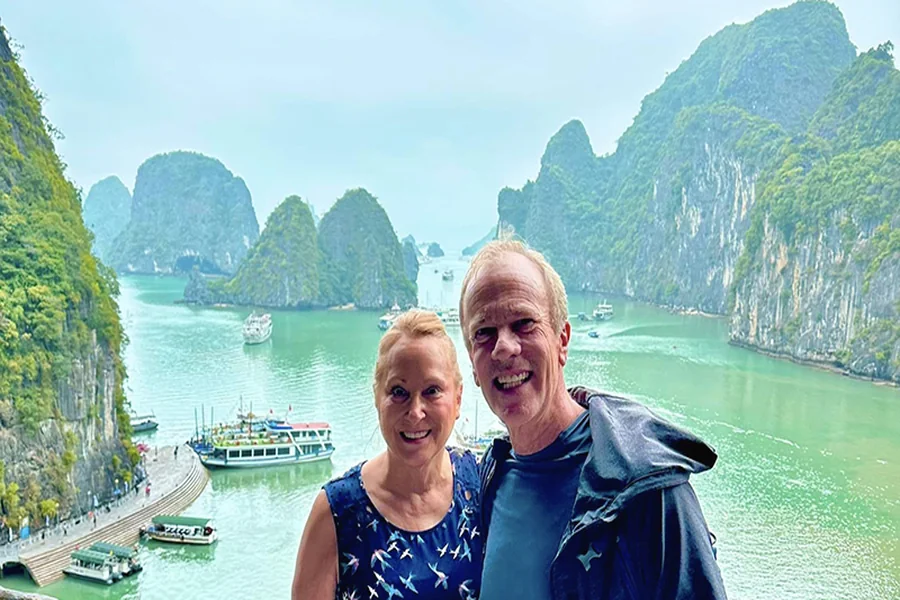
A memorable trip does not need to be ambitious. It may be a long-awaited visit with family, a few days in a favorite town, or a first look at somewhere entirely new. What matters is choosing an experience that suits your interests and arranging the details so you can enjoy it at a comfortable pace.
Travel planning in later life works best when it begins with the individual traveler. Age alone does not describe someone’s preferences, energy, or support needs. Instead of following an itinerary simply because it is marketed to older adults, build a trip around the places you want to see and the way you prefer to spend a day.
Start With the Experience You Want
Before comparing destinations, decide what would make the trip worthwhile. You might want uninterrupted time with relatives, a particular museum, a scenic journey, or the pleasure of being somewhere different. Choose one or two priorities and let those guide the rest of the plan.
The Variel’s travel tips for seniors provide a useful starting point for reviewing practical preparations, including planning ahead and organizing travel essentials. Pair those preparations with a personal question: which arrangements would make this particular trip more enjoyable for you?
Write a short description of your ideal day away. Include when you would like to start, how much organized activity you want, and whether you prefer quiet evenings or entertainment. This description can help you judge competing itineraries more effectively than a long list of attractions.
Compare the Whole Journey
When considering transportation, look beyond the main flight or train ride. Include getting to the departure point, navigating the terminal, collecting luggage, reaching the accommodation, and checking in. A short advertised journey can still involve several demanding stages.
Compare departure and arrival times as well as the number of changes. Decide whether an early start or late arrival would interfere with the experience you want. Consider what happens after arrival: will a room be available, where will you eat, and who will handle the onward transfer?
For a road trip, choose stopping places as part of the route rather than leaving every break to chance. For any journey, build some flexibility around connections and appointments. The purpose is to make the travel day workable without relying on everything happening at exactly the expected time.
Ask Accommodation Questions That Match Your Needs
A room description may not tell you everything you need to know. Contact the property with specific questions about the features that matter to you. These might include elevator access, steps along the route, bathroom layout, seating, or the distance between the room and shared facilities.
If you need a particular feature, ask whether it can be confirmed for the room you are reserving. A general statement about the building is different from confirmation about your booking. Keep the response with your reservation information so you can refer to it later.
Think about the surrounding area too. A property near the main attraction may still involve a route you would not enjoy walking. Ask about practical transport options and nearby places to eat. Convenience should reflect your own plans rather than a description such as “centrally located.”
Design Days With Choices
Choose one main activity for each day and treat other possibilities as optional. This gives the trip a sense of direction while leaving room to linger, change plans, or enjoy an unexpected discovery. An afternoon does not have to be filled simply because there is space in the itinerary.
Group activities by location where practical. Repeatedly crossing a city can take time away from the things you came to enjoy. Check how you will get between stops and whether there is somewhere comfortable to pause along the way.
Keep a quieter alternative for plans that depend on conditions or enthusiasm. If an outdoor excursion no longer appeals, you might prefer a nearby exhibition, a relaxed meal, or an afternoon at your accommodation. Agree in advance that changing the plan is an ordinary part of traveling.
Put Important Information in One Place
Create a simple trip summary with accommodation details, reservation references, transport arrangements, and contact information. Arrange it in the order you will need it. A clear first-day page can be especially useful when you are managing several unfamiliar steps after arrival.
Save essential information in a form you can access without depending on a live internet connection. If you prefer paper, print a concise version. If you use a phone, check that you can locate the saved details easily before departure rather than discovering an unfamiliar app at a ticket counter.
Check current identification, entry, and carrier requirements directly with the relevant authorities and providers. Requirements depend on the journey, so avoid assuming that arrangements from a previous trip still apply. Resolve questions early enough to change the plan if needed.
Keep Personal Preparations Specific
Make a packing list based on what you expect to do, the facilities available, and what you are comfortable carrying. Try moving the packed bag before departure. Decide which items need to remain within easy reach during the journey and which can stay packed until you arrive.
If health conditions or medications affect your plans, discuss travel preparation with your clinician or pharmacist. Ask about your own circumstances, including any questions created by the destination or schedule. Keep individualized medical decisions separate from general packing advice.
Request any assistance you need from the relevant travel provider and confirm how to access it. Record where to go, whom to contact, and what has actually been arranged. Clear practical instructions are more useful than an unconfirmed expectation that help will be available when you arrive.
Agree on Expectations With Travel Companions
Before departure, discuss spending preferences, meal times, sightseeing priorities, and how much time to spend together. A companion who enjoys full days of guided activities may picture a different holiday from someone who wants long, quiet afternoons. Both preferences can be accommodated more easily when they are explicit.
Decide how you will handle separate activities. Agree on meeting places and a straightforward way to contact each other. If a family member is helping with bookings, make sure the traveler also understands the itinerary and has access to the important details.
Talk about changes without assigning blame. Someone may want to leave an attraction earlier or skip an outing. A flexible agreement allows the group to respond to the day as it unfolds while keeping everyone informed and included.
Leave Room for the Return Home
Consider the end of the trip while making the initial arrangements. Confirm the return transfer and think about what you will need when you arrive home. Leaving some space before the next major commitment can make unpacking and returning to normal routines less rushed.
Afterward, note what worked well and what you would change. You may discover that a smaller itinerary, a different room location, or another departure time would suit you better. Those observations become a practical starting point for the next trip.
Plan for Enjoyment, Then Stay Flexible
Good travel planning connects the experience you want with arrangements you can comfortably manage. Choose meaningful priorities, ask precise questions, and leave room for changes. A successful trip is one that gives you time to enjoy being away, whether you return with a packed photo album or a few especially good memories.