How to Choose the Right Northern Vietnam Destinations for Your Trip
 Johnathan Parker |
September 1, 2026 |
5:00 pm
Johnathan Parker |
September 1, 2026 |
5:00 pm
Northern Vietnam is one of the most varied regions in the country. It contains the capital city, remote mountain roads, rice terraces, limestone bays, river valleys, national parks, ethnic minority markets, and quiet rural homestays. That variety is exciting, but it also creates a planning challenge. A traveler with one week cannot see everything well, and even a two-week itinerary needs careful pacing because mountain roads can be slower than the map suggests. The region is best understood as a collection of distinct moods rather than one simple route: urban, coastal, rural, highland, cultural, and adventurous. It also helps to decide how much comfort, independence, and local guidance a trip should include, because the north can feel very different on a private tour, a group transfer, a self-planned route, or a homestay-based journey.
Start With Travel Style, Not a Checklist
Many travelers begin by asking where to go in northern Vietnam, but the better first question is what kind of trip they want. Some people want culture and food in Hanoi, a cruise in Halong Bay, and a soft countryside break in Ninh Binh. Others want mountain scenery in Sapa, a road trip in Ha Giang, or less-visited areas such as Cao Bang, Pu Luong, Mai Chau, or Ba Be Lake.
A guide to places to visit in northern Vietnam is most useful when it helps travelers match destinations to their own pace, comfort level, and interests rather than simply collecting famous names.
Hanoi as the Natural Starting Point
Hanoi is the usual gateway for travelling in northern Vietnam. It is not just a place to pass through before heading to the mountains. The city gives context for the region through its old quarter, lakes, temples, street food, colonial-era architecture, museums, and everyday local life. It also works as the transport hub for routes to Sapa, Ha Giang, Halong Bay, Ninh Binh, and other northern destinations.
For first-time visitors, spending at least a full day in Hanoi can make the rest of the trip feel more connected. It helps travelers understand the region’s history, food culture, and pace before moving into more rural landscapes.
Mountains, Terraces, and Minority Cultures
The northern highlands are a major reason people visit the region. Sapa is the most famous mountain destination, known for terraced rice fields, trekking, minority villages, and cooler weather. Ha Giang is more road-trip focused, with dramatic passes, karst scenery, remote villages, and a stronger sense of distance from the main tourist trail. Hoang Su Phi and Mu Cang Chai are especially valued for rice terraces, particularly around the growing and harvest seasons.
These destinations are not interchangeable. Sapa is easier to access and has more tourism infrastructure. Ha Giang is wilder and more road-based. Pu Luong and Mai Chau are softer rural escapes that suit travelers who want green valleys, cycling, walks, and homestays without committing to the farthest mountain roads.
Karsts, Bays, and Water Landscapes
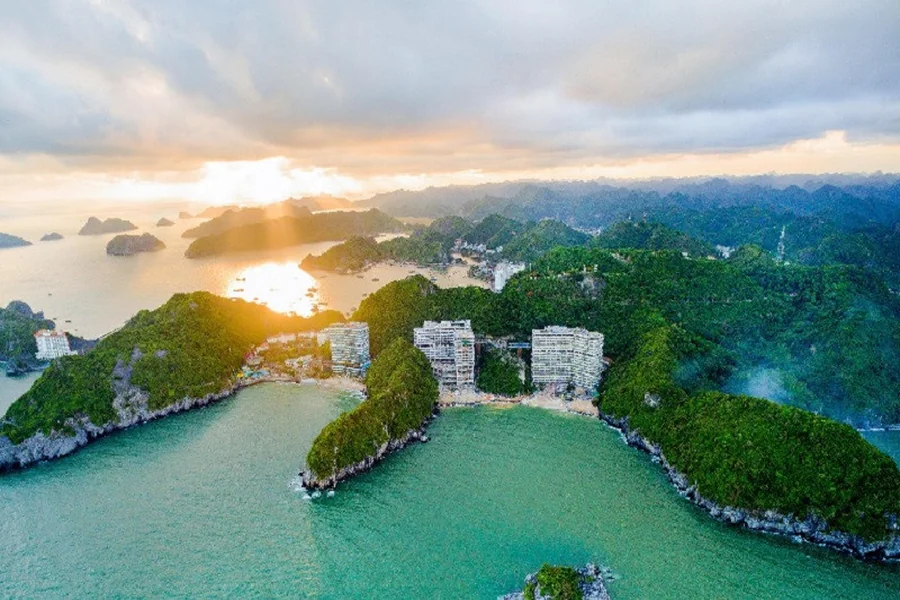
Northern Vietnam is also shaped by limestone. Halong Bay remains the region’s most famous seascape, with karst islands rising from the water and cruises that range from basic to luxury. Lan Ha Bay and Bai Tu Long Bay can offer alternatives for travelers who want similar scenery with a different route or atmosphere. Inland, Ninh Binh is often described as a land-based karst landscape, where rivers, rice fields, temples, caves, and viewpoints can be explored by boat, bicycle, or short hikes.
These areas fit well into an itinerary because they contrast with the mountains. After several days of winding roads, a slower stay among waterways and limestone cliffs can rebalance the trip.
Remote Corners Reward More Time
Cao Bang, Ba Be Lake, and the far northeast are excellent examples of northern Vietnam destinations that reward travelers with more time. Cao Bang is known for mountain roads, ethnic communities, and access to Ban Gioc Waterfall near the Chinese border. Ba Be offers lake scenery, national park landscapes, caves, boat trips, and a quieter rural mood. These places are not always convenient to combine with a rushed itinerary, but they can be deeply rewarding for travelers who want a less crowded route.
Local Vietnam’s North Vietnam guide emphasizes that the region rewards slow travel and careful planning. That is especially true away from the standard Hanoi, Halong Bay, Sapa, and Ninh Binh circuit.
Pacing Matters More Than Distance
A common mistake is trying to add too many mountain destinations in too few days. Travel times are often longer than distances suggest because roads are winding, mountainous, or indirect. Some routes still require returning through Hanoi or using overnight buses. Rain, fog, traffic, and road conditions can also affect timing.
A practical itinerary should balance active days with lighter days. For those planning a broader itinerary, Local Vietnam’s highlights of Vietnam offer a useful overview of standout experiences across the country, making it easier to decide what deserves extra timeith more time, they could add Sapa or Pu Luong. With even more time and a taste for adventure, Ha Giang or Cao Bang can become the centerpiece rather than an afterthought.
Seasonal Planning for the North
Season changes the region’s mood. Autumn and spring often bring comfortable travel conditions, while summer can be lush, hot, humid, and wetter. September is famous in some highland areas for golden rice terraces, while winter can bring clear days but cold mountain nights. Lower valleys may have different rice cycles from highland terraces, so scenery depends on exactly where and when a traveler goes.
This is why choosing northern Vietnam destinations should include climate, scenery, and activity style. Trekking, cruising, road trips, photography, and family travel each respond differently to weather.
Conclusion
Northern Vietnam is best planned as a set of contrasts: city and countryside, mountains and bays, famous sights and remote valleys, quick highlights and slower cultural travel. A strong itinerary does not try to include every name. It chooses a rhythm. With the help of resources from brands such as Local Vietnam, travelers can understand how the region fits together and build a route that feels coherent rather than crowded.