The Small-Town Driving Risks Travelers Tend to Underestimate
 Johnathan Parker |
July 7, 2026 |
8:18 pm
Johnathan Parker |
July 7, 2026 |
8:18 pm
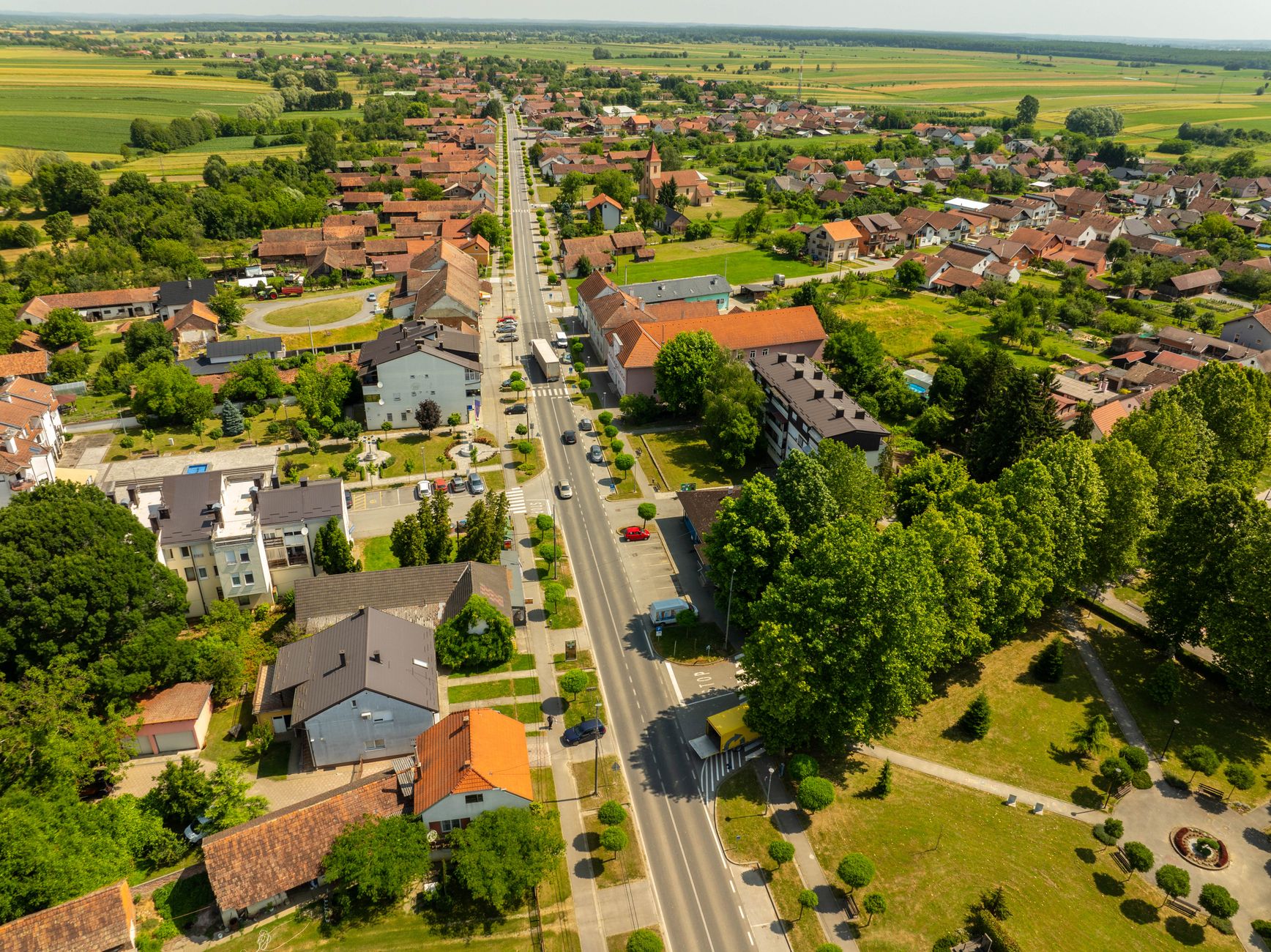
There's something about a two-stoplight town that makes drivers relax. The pace feels slower. The roads feel emptier. Nobody's leaning on their horn. So it's easy to assume the driving is safer, too — but that assumption is exactly what gets a lot of travelers into trouble. If the worst does happen on one of these roads, it's worth knowing ahead of time where to find resources for accident victims in the area you're passing through, because rural crashes come with their own set of complications.
Quiet roads hide real hazards. Here's what actually trips people up out in small-town and rural America.
Why Small Towns Feel Safer Than They Are
Less traffic doesn't mean fewer accidents — it often means the opposite. Rural roads make up a smaller share of total miles driven, yet they account for a disproportionate share of traffic deaths, largely because of higher speeds and thinner infrastructure.
The National Highway Traffic Safety Administration has found, year after year, that rural crashes are more likely to turn fatal than urban ones, even with far less traffic on the road. Part of it comes down to speed. Part of it comes down to darker roads and fewer other drivers around to notice trouble.
Common Small-Town Driving Hazards
Unmarked or Poorly Lit Intersections
A lot of small towns still run on stop signs, not traffic lights, and some intersections have no signage at all. Out-of-towners can miss a sign half-hidden behind a tree branch, or roll into a blind intersection with no idea who has the right of way. Add nightfall, with no streetlights to speak of, and that same intersection gets a lot harder to judge.
Wildlife and Livestock on the Road
Deer, elk, and cattle cross rural roads more often than most city drivers ever expect. State Farm's annual insurance data shows animal collisions spike hard in fall and early winter, especially around dawn and dusk. In ranching country, livestock wander onto the road too — particularly near unfenced open range, where there's nothing stopping them.
Narrow, Winding Rural Roads
Two-lane highways with no shoulder and sharp, blind curves are the norm once you're past the city limits. What makes them trickier is the speed limit — often higher than you'd find in town — which leaves almost no room for error if another driver drifts, brakes hard, or an animal bolts across.
Farm Equipment and Slow-Moving Vehicles
During planting and harvest season, tractors and combines share the same roads as everyone else. These machines often crawl along under 25 mph, and a driver going 60 can close that gap faster than expected. Watch for the reflective orange triangle — the slow-moving vehicle emblem — and start slowing down the moment you see one.
Weather Changes Faster Than You Expect
Rural weather turns on a dime, sometimes within a few miles. Mountain passes and high-desert stretches can go from clear to icy, foggy, or windblown with almost no warning, and small towns don't always have the plows or de-icing crews that cities do.
If you're driving through unfamiliar terrain, check the forecast for the towns along your route — not just your final stop.
Limited Emergency Response Times
Help simply takes longer to arrive out here. Research from the Rural Health Research Center shows emergency medical response times in rural counties run significantly behind urban ones. When a crash happens, those extra minutes matter.
It's one more reason to slow down through a town you don't know — you might be further from a hospital than you think.
What To Do If You're Involved in an Accident
Stay calm, check everyone for injuries, and get to a safe spot if you can. From there:
1. Call 911, even for a minor fender-bender — a police report matters later for insurance.
2. Exchange information with the other driver: name, insurance, contact details.
3. Photograph the scene, the damage, and anything relevant like road signs or skid marks.
4. If anyone witnessed it, get their contact information too.
5. Get checked out medically, even if you feel fine — some injuries take a day or two to show up.
Out-of-town accidents come with an extra wrinkle: you don't know the local roads, the local laws, or who to call. That's when it helps to have someone in your corner who does.
Practical Tips for Safer Small-Town Driving
A few habits make a real difference once you're off the highway and into unfamiliar territory. Pair these with our broader road trip safety checklist for a more complete rundown before your next long drive:
● Slow down at every intersection, even the ones that look empty.
● Watch for wildlife crossing signs and ease off the gas near woods or open range, especially early morning and dusk.
● Give farm equipment room and only pass with a long, clear line of sight.
● Check the weather for your whole route, not just where you're headed.
● Keep your phone charged, and note the name of the last town you passed in case you need to report your location.
Final Takeaway
Small towns give you some of the best scenery and the calmest driving conditions in the country — but calm isn't the same as safe. The lack of heavy traffic can mask real hazards: blind intersections, wandering wildlife, farm equipment, and emergency help that's further away than you'd guess. A little extra caution, and a plan for what to do if things go wrong, go a long way on the next road trip.