Smartphone Charging Speed: Why It Matters More Today
 Johnathan Parker |
July 7, 2026 |
4:45 pm
Johnathan Parker |
July 7, 2026 |
4:45 pm
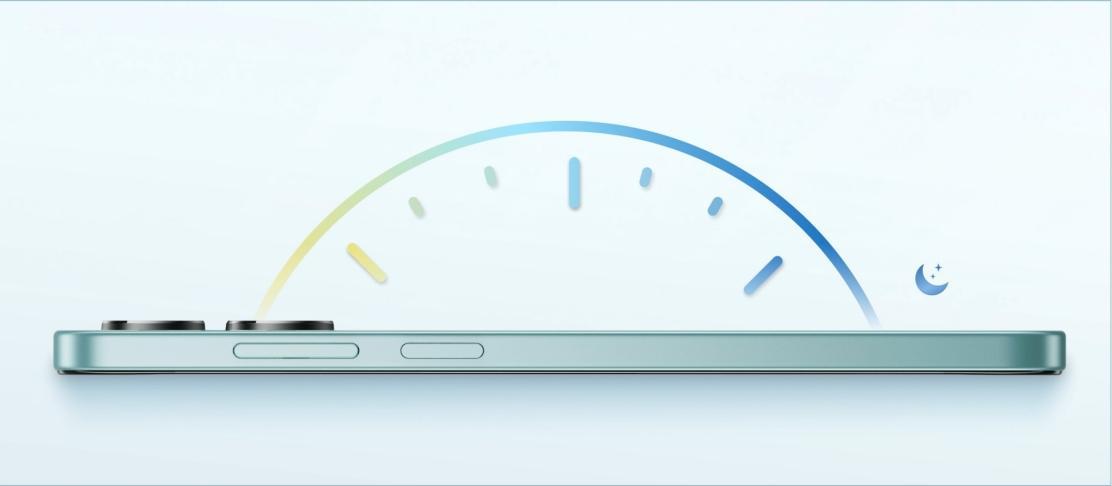
Smartphone charging speed matters more because phones now handle navigation, messaging, video calls, banking, work apps, photos, and entertainment throughout the day. Heavy daily use drains batteries faster, while people expect their devices to stay ready with minimal downtime. A battery that takes too long to refill can interrupt travel, work, and communication at the worst moment. Faster charging helps solve that problem by restoring useful power in less time, making short top-ups more practical. It also changes how people plan their routines, since charging no longer needs long, fixed sessions. For many users, charging speed now shapes convenience almost as much as battery size.
Faster Charging Fits Modern Daily Life
Less Waiting, More Flexibility in Usage
Faster charging gives users more freedom because they do not have to build their day around a wall socket. A quick top-up before leaving home, during a lunch break, or while getting ready can add enough battery for several more hours of normal use. That convenience is especially valuable for people who stream media, use GPS, switch between multiple apps, or rely on mobile hotspots. Instead of keeping battery anxiety in mind all day, they can charge in shorter windows and stay productive. The result is less waiting and more flexibility. Charging becomes part of a routine rather than a long interruption, which makes the phone easier to depend on from morning to night.
Emergency Charging in Busy Schedules
Busy schedules make emergency charging one of the most practical reasons to care about speed. When battery drops unexpectedly before a meeting, commute, delivery run, or family call, a faster charger can recover meaningful power in minutes instead of forcing a long pause. That short rescue window often makes the difference between staying connected and missing something important. Parents, commuters, students, and field workers all benefit from the ability to plug in briefly and leave with enough battery to continue. Fast charging also reduces the stress of forgetting to charge overnight. A quick refill while showering, packing a bag, or having coffee can turn a low-battery morning into a manageable start.
Real Benefits of Faster Charging Speeds
Short Charging Sessions with Big Battery Gains
One of the clearest benefits of faster charging is how much battery it can add during short sessions. People rarely have hours to spare, but many have ten, fifteen, or twenty minutes between tasks. Higher charging speed makes those small windows useful. Even moderate charging support can improve convenience when matched with efficient battery management. For example, the HONOR X6d 5G smartphone supports 15W wired charging, which helps deliver practical top-ups for everyday use without requiring long charging blocks. That matters when users need enough power for messages, calls, maps, and payments before heading back out. Faster energy recovery makes battery life feel more usable because downtime shrinks and useful screen time returns sooner.

Better Mobility and Reduced Charging Dependency
Faster charging also improves mobility by reducing how often users need to stay near outlets or carry power banks. When a phone can recover battery quickly at home, in the office, or during a short stop, people can move more freely without planning around long charging sessions. This changes everyday behavior in a practical way. Users can leave with confidence after a brief charge instead of waiting for a full refill. It also makes shared spaces more convenient, since chargers and sockets stay occupied for less time. Over a week, those saved minutes add up. The phone becomes easier to manage on the go, which strengthens its role as an always-available tool for daily life.
Trade-Offs and Smart Charging Habits
Heat, Battery Health, and Optimization Systems
Charging speed brings clear advantages, but it also raises important questions about heat and long-term battery health. Faster power delivery can generate more heat, and heat is one of the main factors that gradually reduces battery performance over time. That is why modern phones use charging optimization systems to manage temperature, control current flow, and adjust speed as the battery fills. These systems help balance convenience with protection. Good charging habits still matter. Using quality chargers and cables, avoiding excessive heat, and removing thick cases during heavy charging can support better results. Fast charging works best when paired with smart thermal management, because speed alone should never come at the expense of reliability.
When Slower Charging Can Still Be Useful
Slower charging still has a place, especially when time is not a concern. Overnight charging is the most obvious example. If the phone will remain plugged in for several hours, maximum speed offers less practical benefit than it does during the day. A slower, steadier charge can also be useful in cooler thermal conditions and for users who prefer a more conservative approach to long-term battery care. It may suit light users who end each day with plenty of battery remaining and only need a full refill by morning. The key point is not that slower charging is better overall, but that charging speed matters most when convenience, urgency, and uninterrupted phone access are top priorities.
Conclusion
Smartphone charging speed matters more today because phones support more of daily life and people have less time to wait. Faster charging improves flexibility, makes short top-ups worthwhile, and helps users recover quickly when battery runs low at the wrong moment. It also reduces dependence on outlets and long charging sessions, which supports a more mobile routine. While heat and battery care still deserve attention, modern charging systems help manage those concerns. For most users, better charging speed is no longer a bonus feature. It is a practical part of keeping a phone reliably ready.