AI Video Is Learning to Take Revision Notes
 Johnathan Parker |
July 8, 2026 |
2:47 pm
Johnathan Parker |
July 8, 2026 |
2:47 pm
The first generation of AI video tools was judged by a simple question: could they turn a written prompt into a convincing clip?
That question is already beginning to feel dated. A striking first result is useful, but creative work rarely ends with a first result. A client may like the setting but dislike the camera movement. A marketing team may want to keep the product shot while changing the final action. An editor may need to extend a scene without rebuilding everything that came before it.
The more practical question is whether an AI video system can respond to revision notes.
That shift matters because revision is where much of the real work happens. Ideas become publishable through small decisions: tightening a transition, preserving a character, adjusting the pace or replacing one weak part of a sequence. AI video is becoming more useful as tools begin to support that process instead of treating every generation as a finished answer.
The First Draft Was Never the Hardest Part
Creating a rough concept has become surprisingly easy. A short description can establish a location, subject and mood in seconds. The difficulty appears when the clip is almost right.
Traditional video production is built around revision. Directors shoot additional takes. Editors move cuts by a few frames. Designers replace individual elements. Sound teams adjust timing without discarding the picture. A usable AI video workflow needs a similar respect for what is already working.
Starting over after every unwanted detail creates two problems. It wastes time, and it may also remove the parts of the previous generation that the team wanted to keep. The new clip might fix the motion but lose the lighting. It might improve the composition while changing the subject.
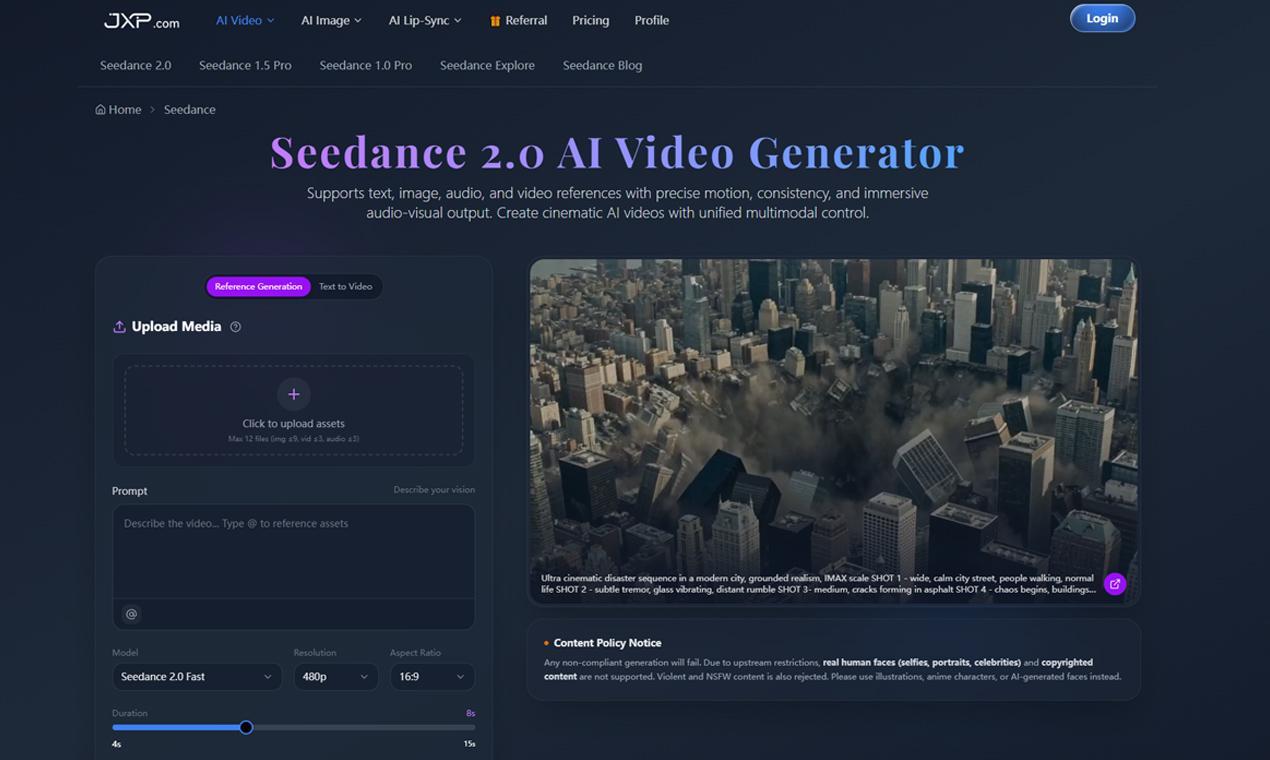
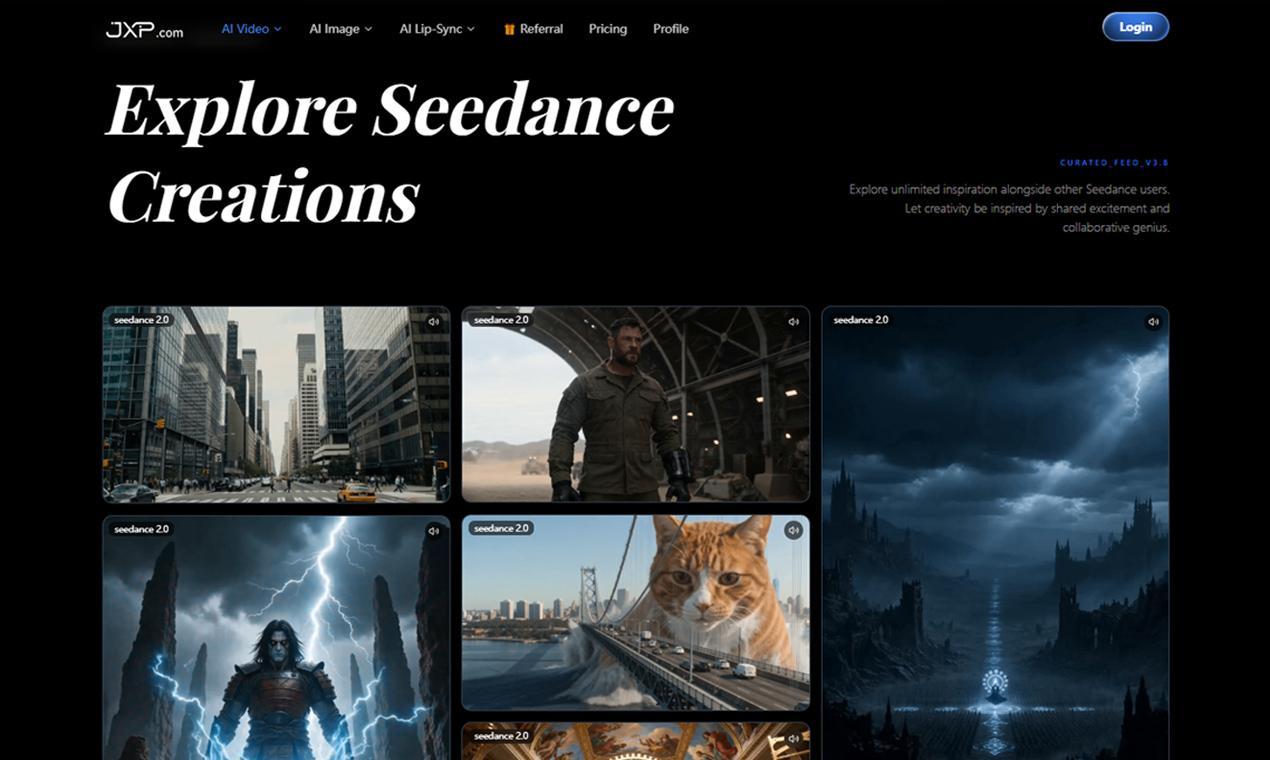
This is why tools such as Seedance 2.0 are worth examining through the lens of revision rather than novelty. The platform supports text, image, audio and video references, alongside controls for refining portions of a clip, extending scenes and combining video material.
Revision Is Becoming a Product Feature
The ability to generate another version is not the same as the ability to revise.
A genuine revision process begins with continuity. The system needs to understand which parts should remain stable and which parts are open to change. That could mean preserving a character while modifying an action, continuing a camera move beyond the original endpoint or inserting a new scene between two existing clips.
Seedance 2.0 presents several tools for this kind of work. Its product page describes targeted segment refinement, video extension, multi-clip merging and character replacement without requiring a complete regeneration. These functions point toward a shot-level revision process rather than a loop of unrelated attempts.
For creators, the difference is practical. Feedback can become more specific. Instead of saying, “Try the whole thing again,” a reviewer can ask for a slower transition, a longer ending or a different performance in one part of the clip.
References Give Feedback Something Concrete
Written feedback is often ambiguous. “Make it more cinematic” could refer to lighting, lens choice, camera movement, colour or pacing. Reference assets make the request easier to interpret.
An image can define the appearance of a product or illustrated character. A video clip can demonstrate motion or camera rhythm. Audio can establish timing and atmosphere. Text can then explain how each reference should influence the result.
This does not eliminate the need for a clear prompt. It changes the prompt from a complete description into a set of directing notes. A creator can specify that one image should guide visual identity, while a clip should be used only for movement. That separation is useful when teams need control without copying every aspect of a reference.
The approach also makes review conversations clearer. Instead of debating abstract adjectives, collaborators can point to a frame, movement or sound cue and explain what should be preserved.
What a Realistic Review Cycle Might Look Like
Consider a small team preparing a short product launch video. It already has approved product photography, a rough audio track and a reference clip that captures the desired camera movement.
The team could begin by uploading those assets and describing their roles. The first generation would be treated as a visual draft, not a finished advertisement. Reviewers would then focus on a few questions:
- Does the product remain recognisable throughout the shot?
- Does the camera movement support the reveal?
- Does the action align with the pace of the audio?
- Is one section noticeably weaker than the rest?
If the opening works but the ending feels abrupt, extending the clip may be more sensible than regenerating it. If one transition is distracting, the team can focus on that segment. If two drafts contain useful moments, combining clips may offer a better route than asking for a completely new version.
This kind of reference-informed video editing does not make creative decisions automatic. It gives those decisions a more direct path into the next draft.
Why This Matters Beyond Professional Studios
Revision-friendly AI video could be especially valuable for people who do not have a full production department.
A social media manager may need several versions of a campaign hook. An independent filmmaker may want to test a difficult shot before production. A teacher may need to adjust one confusing section of an explainer. A small ecommerce team may want to animate existing product assets while keeping the item visually consistent.
In each case, the benefit is not simply faster generation. It is the ability to keep useful work and make a narrower correction. That makes experimentation less costly and gives smaller teams more room to explore an idea before committing to a shoot or a long editing session.
Human Judgment Still Controls the Cut
More precise revision tools do not remove the need for an editor. Someone still has to decide whether a scene communicates the right message, whether the pacing feels natural and whether the references are appropriate to use.
There are also limits that should shape the brief. The JXP page states that real human faces, celebrity material, copyrighted content, violent material and NSFW content are not supported. Responsible asset selection remains part of the workflow, regardless of how easily a clip can be changed.
The most productive use of AI video is therefore not endless generation. It is selective iteration guided by a person who understands the audience and the purpose of the piece.
The Next Test for AI Video
Visual quality will continue to attract attention, but it may no longer be the only meaningful measure of progress. The better test is what happens after a creator says, “This part works; change that part.”
When an AI video system can preserve approved material, respond to references and support focused changes, it becomes easier to place inside a real creative process. The technology starts to resemble an editing partner rather than a slot machine for attractive clips.
That is a less dramatic story than one-click filmmaking, but it is probably a more important one. Creative teams do not need every first draft to be perfect. They need a practical way to make the second draft better.