A Comparison of Different Lens Types for Laser Protection
 Johnathan Parker |
January 6, 2026 |
5:13 pm
Johnathan Parker |
January 6, 2026 |
5:13 pm
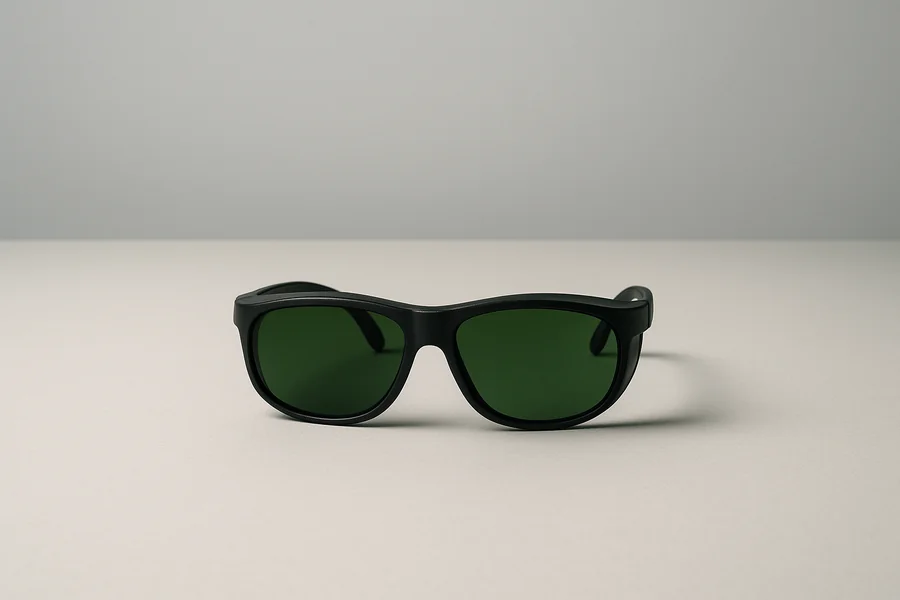
Lasers have become a staple in modern life, found in everything from children’s toys and home entertainment systems to industrial tools, yet their concentrated energy carries hidden risks. Understanding the science behind laser light and comparing the different safety lens options is essential for ensuring your family’s vision remains protected.
As laser eye protection glasses technology becomes more prevalent in domestic and professional settings, the line between harmless gadget and hazardous tool can blur. Unlike a standard lightbulb that illuminates a room by scattering rays in all directions, a laser emits a narrow, focused beam. This concentration of energy allows lasers to travel great distances without losing intensity, but it also means that even a low-power beam can be dangerous if it strikes the eye. To mitigate these risks, specialized eyewear is required, but not all protective lenses are created equal.
The physics of focused energy
To understand why specific lenses are necessary, it helps to visualize the difference between a floodlight and a laser. A floodlight is like a garden sprinkler, spraying water droplets over a wide area; it is gentle and diffuse. A laser, however, is like a pressure washer. The same amount of water (or light energy) is forced into a tiny, powerful stream. When this concentrated beam hits the eye, the lens of the eye focuses it further onto the retina, potentially causing thermal damage or photochemical changes in an instant.
The potential for damage depends heavily on the laser’s wavelength. The human eye is designed to see visible light, but many lasers operate in ultraviolet (UV) or infrared (IR) spectrums. An IR laser, for example, is invisible to us, meaning the eye’s natural blink reflex won’t trigger, allowing dangerous exposure to occur without warning. This is why standard sunglasses are ineffective; safety requires lenses engineered to interact with specific wavelengths.
Polycarbonate vs. glass: Comparing lens materials
When selecting protective eyewear, the two primary materials you will encounter are polycarbonate and glass. Each offers distinct advantages depending on the application.
Polycarbonate lenses are the most common choice for general use. They are lightweight, impact-resistant and durable, making them ideal for dynamic environments where the wearer is moving around. These lenses typically work by impregnating the plastic with specific dyes that absorb laser energy at targeted wavelengths. Because the dye is distributed throughout the material, a scratch on the surface does not compromise the protection.
Glass lenses, on the other hand, are often used in high-power settings or where optical clarity is paramount. Glass offers superior visible light transmission (VLT), allowing the wearer to see more clearly while still blocking harmful beams. However, glass is heavier and more fragile than polycarbonate. In some advanced applications, glass lenses are coated with dielectric thin films that reflect rather than absorb laser energy, offering precise filtration for high-intensity beams. This is why laser eye protection safety glasses are so important.
Targeted filtration and safety technology
The effectiveness of any safety eyewear lies in its ability to filter specific wavelengths while allowing safe light to pass through. Companies like NoIR Insight specialize in producing eyewear engineered to manage this delicate balance, ensuring that users are protected from hazardous exposure without being blinded to their surroundings.
When working with equipment that spans different parts of the light spectrum, selecting the correct laser safety glasses is a critical step in your safety protocol. For instance, a lens designed to block a green laser pointer may be completely useless against an invisible infrared beam used in a remote control or scanner. Always check the optical density (OD) markings on the lens, which indicate the magnitude of protection provided for specific wavelengths.
Once you have secured the right protective gear, it is equally important to maintain a broader home safety checklist to ensure all family members understand which devices are safe to handle. Educating children about the difference between toy lights and using actual laser eye protection goggles is a vital layer of defense that complements the physical protection of the glasses.
Practical habits for daily safety
Beyond the technical specifications of the lenses, practical usage habits play a huge role in prevention. Whether you choose polycarbonate for its durability or glass for its clarity, the fit of the eyewear is paramount. Gaps around the nose or temples can allow stray light to enter from the side, bypassing the filter entirely (click here for more information on safety standards and education).
Always inspect your eyewear before use. While polycarbonate is tough, deep scratches or stress cracks can eventually weaken the lens structure. If you are using lasers for DIY projects or hobbyist electronics, ensure that anyone in the room (not just the operator) is wearing appropriate protection. By combining the right lens technology with disciplined safety habits, you can enjoy the benefits of modern technology without compromising your vision.