The 6 Most Common Causes of Bicep Tendon Tears
 Johnathan Parker |
November 19, 2025 |
10:16 am
Johnathan Parker |
November 19, 2025 |
10:16 am
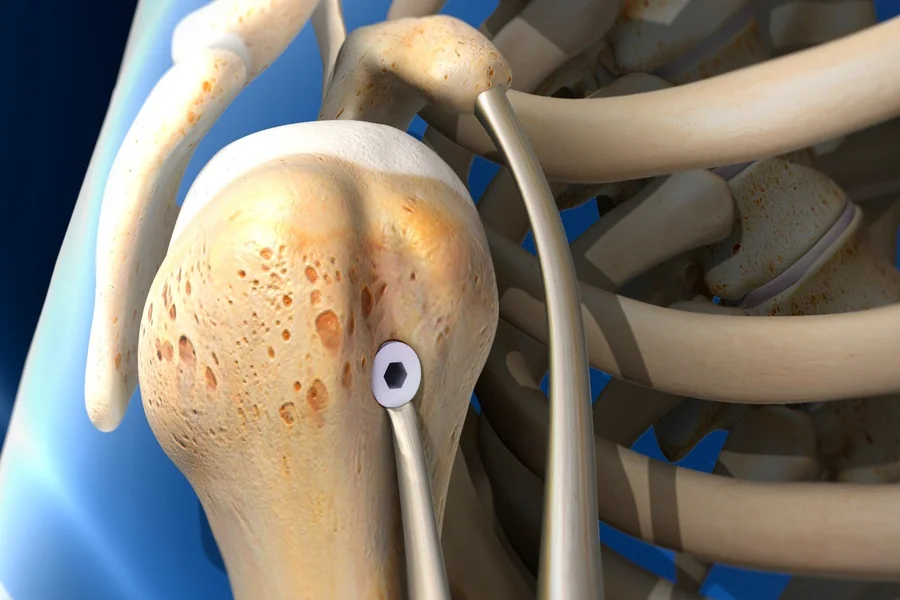
A bicep tendon tear is a painful and often surprising injury that can affect people of all ages and activity levels. Although many assume it only happens to athletes or heavy lifters, the truth is that everyday movements can also place stress on the bicep tendon. Understanding the most common causes helps you recognize your risk, protect your shoulder and elbow, and seek treatment quickly when symptoms appear.
Understanding the Bicep Tendon
The biceps muscle has two main tendons at the shoulder and one tendon at the elbow. These tendons attach the muscle to bone and allow you to bend the elbow, rotate the forearm, and stabilize the shoulder. When a tendon becomes weakened or overloaded, it can partially or completely tear.
Most tears occur in one of three areas:
- The long head of the biceps tendon in the shoulder
- The short head of the biceps tendon in the shoulder
- The distal biceps tendon near the elbow
Each type of tear has different risks and causes, but many share the same general triggers.
Cause 1: Sudden Heavy Lifting
One of the most common causes of a bicep tendon tear is lifting something heavy with improper form or unexpected force. This can happen during:
- Weightlifting
- Moving furniture
- Lifting heavy boxes
- A sudden tug or pull while gripping an object
When the weight exceeds the tendon’s strength, especially during a quick or jerking motion, the tendon can fail. A loud pop and immediate pain often accompany this.
Cause 2: Degeneration From Age
As people get older, the bicep tendon naturally weakens. Years of repetitive use cause microscopic tears and gradual fraying, which makes the tendon more vulnerable to injury. This is why many bicep tears occur during simple, everyday activities rather than intense sports.
Age-related tendon weakening is called tendinosis. Individuals over 40 experience a higher risk because their tendons have lost some elasticity and strength.
Cause 3: Repetitive Overuse
Repetitive motions place ongoing stress on the bicep tendon. Over many months or years, this strain can lead to inflammation, irritation, and eventual tearing.
Activities that commonly cause overuse include:
- Overhead sports such as baseball and swimming
- Frequent lifting at work
- Repetitive pulling or gripping motions
- Overtraining without proper rest
Athletes and workers who perform the same motion repeatedly are at higher risk.
Cause 4: Shoulder Impingement or Rotator Cuff Issues
The shoulder is a complex joint with limited space. If the structures surrounding the bicep tendon become inflamed or irritated, the tendon can rub against nearby bones. This can cause fraying, thinning, and eventual tearing.
Shoulder conditions that increase the risk of a bicep tear include:
- Shoulder impingement
- Rotator cuff tears
- Labral tears
- Joint instability
These conditions compromise the tendon’s ability to move smoothly and safely.
Cause 5: Sudden Traumatic Injuries
Traumatic events can also lead to a bicep tendon tear. These injuries usually involve a strong, unexpected force placed on the arm. Examples include:
- Falling on an outstretched arm
- A sudden pull during sports
- A direct blow to the shoulder or elbow
- Motor vehicle accidents
Trauma often causes complete tears that require immediate evaluation.
Cause 6: Smoking and Certain Health Conditions
Smoking reduces blood flow to tendons, slowing their ability to heal and making them more prone to tearing. Certain medical conditions also weaken tendons, including:
- Diabetes
- Rheumatoid arthritis
- Chronic steroid use
- Long-term use of certain antibiotics
These factors can increase the risk of both partial and complete tears.
Early Treatment Matters
Recognizing the cause of a bicep tendon tear is the first step toward preventing future injuries and getting the right treatment. Sudden pain, bruising, weakness, or a visible bulge in the upper arm are key signs that require prompt medical evaluation. Core Orthopedics Level Up Shoulder is an example of a provider that helps patients diagnose tendon injuries quickly and create personalized treatment plans that support long-term recovery.
Protecting Your Biceps Tendon
Many bicep tendon tears can be prevented with proper strength training, stretching, and safe lifting techniques. Avoid repetitive overuse, take breaks during strenuous activities, and listen to your body when something feels off. With the right care and awareness, you can reduce your risk of injury and keep your shoulders and elbows strong and stable.