Sonic Tomography & Resistograph Drills: How Arborists Use Technology to Detect Hidden Tree Hazards
 Ava Thompson |
September 16, 2025 |
11:56 am
Ava Thompson |
September 16, 2025 |
11:56 am
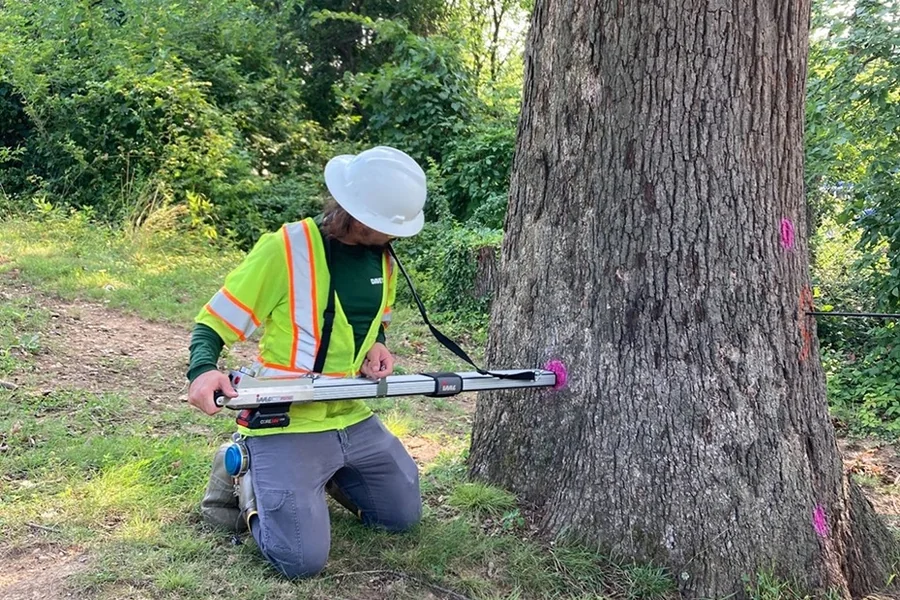
In the realm of arboriculture, you are at the forefront of an evolving intersection between nature and technology. As trees silently witness the passage of time, their outward appearance often conceals hidden vulnerabilities. Enter sonic tomography and resistograph drills; sophisticated tools that empower you, the arborist, to peer beneath the bark and unveil the unseen narratives of decay and stress. With the expertise of 770 Arborist – Certified Tree Experts, you can integrate these innovations more effectively, preparing to redefine the standards of safety and preservation in your practice.
Exploring Resistograph Drills and Their Functionality
The Purpose of Resistograph Drills
In the realm of arboriculture, the resistograph drill is a crucial tool used to detect internal tree decay and structural weaknesses. Unlike visual inspections, which can miss hidden defects, resistograph drills provide a more precise assessment. By measuring the resistance encountered as the drill penetrates wood, arborists can interpret the internal condition of a tree. This process identifies areas of decay, voids, and overall wood density, allowing for preventative measures before significant hazards develop.
How Resistograph Drills Operate
Resistograph drills function by inserting a fine needle into the trunk or branch of a tree. As the needle is driven into the wood, it records variations in resistance. These variations are graphically represented, typically on a chart, which arborists analyze to determine the tree’s health. High resistance indicates denser, healthier wood, while low resistance points to decay or hollow areas.
The precision of resistograph drills lies in their ability to detect subtle changes in wood density, which manual inspections might overlook. This data is invaluable when assessing older trees in urban settings, where stability is paramount.
How Sonic Tomography & Resistograph Drills Detect Hidden Tree Hazards
Understanding Sonic Tomography
Sonic tomography is a cutting-edge technique that enables arborists to peer inside a tree without causing harm. By analyzing the time it takes for sound waves to travel through the wood, this method can reveal the internal structure of the tree. Sound waves move more slowly through decayed or hollow sections, alerting arborists to potential dangers. This non-invasive approach not only helps detect decay but also identifies cavities that may compromise the tree’s structural integrity. With sonic tomography, you gain invaluable insights into the inner workings of a tree, allowing for informed decision-making regarding its health and safety.
Combining Techniques for Comprehensive Analysis
When used together, sonic tomography and resistograph drills offer a comprehensive understanding of a tree’s health. Sonic tomography provides a broad overview, highlighting areas that may require further investigation, while resistograph drilling delivers detailed insights into specific regions. This combination allows arborists to accurately diagnose and address potential hazards, ensuring both the safety of the environment and the longevity of the trees. By integrating these technologies, you can develop effective strategies for maintaining and managing trees.
Benefits of Using Technology in Tree Health Assessment
Enhanced Accuracy in Diagnosis
One of the most compelling benefits of utilizing technology in tree health assessment, particularly for tree service Atlanta GA providers, is the increased accuracy in diagnosing potential hazards. Tools like sonic tomography and resistograph drills enable arborists to penetrate the unseen layers of a tree’s structure, revealing hidden decay or anomalies that may precede catastrophic failures. By employing these advanced techniques, arborists can pinpoint issues with precision, ensuring that interventions are both timely and appropriate.
Promoting Efficient Resource Management
Integrating technology into tree health assessments also leads to more efficient resource management. With detailed data at their fingertips, arborists can prioritize actions based on urgency and necessity, allocating time and resources where they are needed most. This strategic approach not only saves time but also reduces unnecessary labor and costs, ultimately benefiting both the arborists and the ecosystems they manage.
Final Thoughts
In embracing the advancements of sonic tomography and resistograph drills, you empower yourself with cutting-edge tools that revolutionize tree care. These technologies from 770 Arborist – Certified Tree Experts offer a clear window into the unseen, allowing you to diagnose potential hazards with precision and confidence. As an arborist, your role in safeguarding both the natural environment and public safety is paramount, and these innovative methods enhance your ability to make informed decisions. By integrating these technologies into your practice, you contribute to a future where urban forests thrive, ensuring their beauty and health for generations to come.