Importance of Wildlife Removal Near Gas Stations for Safety and Environmental Protection
 Johnathan Parker |
May 13, 2025 |
8:04 pm
Johnathan Parker |
May 13, 2025 |
8:04 pm
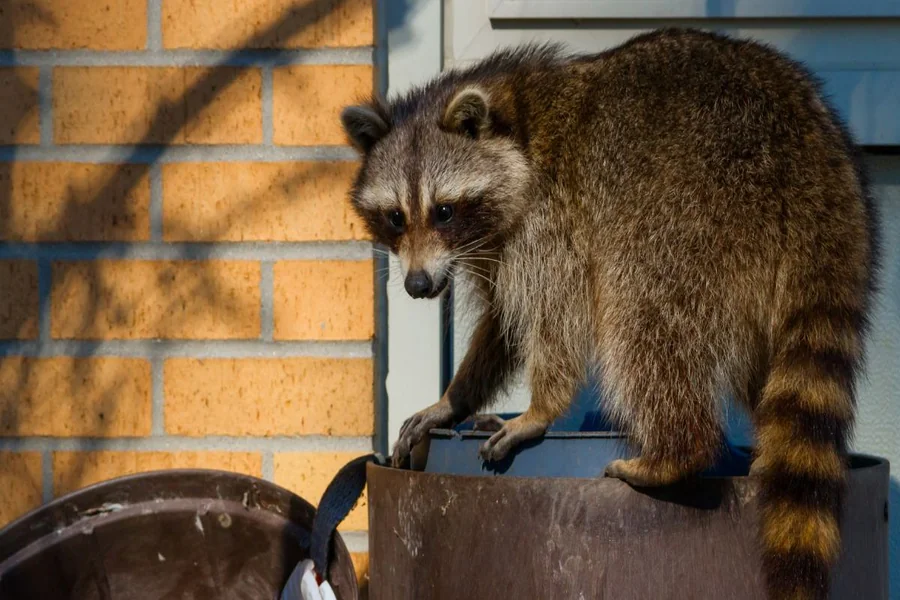
Wildlife hazards at fuel stations pose real risks to your safety, property, and business operations. Animals near gas stations can cause accidents, damage equipment, and create fire hazards. Understanding the importance of wildlife removal near gas stations helps protect your location and customers.
Effective wildlife removal reduces the chances of vehicle collisions, fuel spills, and operational disruptions caused by animals attracted to gas stations. Ignoring these hazards can lead to costly repairs and potential legal liabilities. You must proactively manage local wildlife to maintain a safe environment around your station.
Understanding the Importance of Wildlife Removal Near Gas Stations
Managing wildlife around gas stations is critical to preventing accidents, protecting property, and maintaining regulatory compliance. Animals near fuel pumps create hazards that can disrupt operations and endanger people and wildlife.
Impacts of Wildlife Presence at Fuel Stations
Wildlife at fuel stations increases the risk of vehicle collisions and personal injury. Animals like raccoons, rodents, or birds can damage fuel dispensers, electrical wiring, and underground tanks. This damage raises the chance of leaks or fires.
Their presence may also distract drivers, potentially leading to accidents. In some cases, wildlife can contaminate fuel with fur or droppings, compromising fuel quality and posing environmental hazards.
Unique Risks of Animals Near Gas Pumps
Animals near gas pumps face unique dangers linked to flammable vapors and moving vehicles. Wildlife can ignite fuel vapors through static discharge or chewing on electrical components.
Additionally, nocturnal animals are often harder to see at night, increasing the chances of collisions. The confined space and frequent human activity stress wildlife, sometimes leading to unpredictable behavior that complicates safety measures.
Gas Station Safety and Wildlife Management
Effective gas station safety wildlife management involves routine inspections and prompt animal removal. You should also eliminate attractants like trash or standing water that lure wildlife.
Installing barriers and wildlife deterrents reduces animal access to pumps. Staff training on wildlife hazards ensures a quick response during encounters. Investments in these preventive actions lower liability risks and protect your facility from costly damage.
Wildlife Removal and Control Strategies for Gas Stations
Effective wildlife control near gas stations requires targeted removal and prevention measures tailored to the unique hazards of fuel areas. Addressing both immediate animal removal and long-term deterrence helps maintain safety and compliance.
Animal Removal Services for Gas Stations
When wildlife appears near your gas station, professional animal removal services offer safe extraction methods that minimize disruption. These services use humane traps, exclusion techniques, and wildlife-safe handling to remove animals such as raccoons, squirrels, or snakes that pose risks to fuel equipment and customers.
Trained technicians understand site-specific risks and local wildlife behavior. They ensure removal follows environmental and legal guidelines while protecting your property from damage. You can request scheduled inspections to identify vulnerable areas before infestations grow.
Using expert services reduces hazards like animal-related fires, contamination, or traffic distractions. This is especially important in Plano, where urban wildlife interactions are common.
Wildlife Prevention at Fueling Areas in Plano
Implementing physical barriers and deterrents is key to wildlife prevention at fueling areas in Plano. Fencing, mesh screens, and sealing entry points prevent animals from accessing underground tanks and storage areas.
Regular maintenance, including trash management and removal of food sources, also discourages wildlife congregations. When appropriately integrated, motion-activated lights and ultrasonic repellents provide additional layers of defense.
Assess your station for common attractants, such as uncovered drains or vegetation near pumps. Collaborating with local gas station wildlife control experts in Plano can help tailor prevention strategies specific to your site’s conditions and wildlife patterns, reducing potential interruptions and safety risks.

Best Practices for Ongoing Pest and Wildlife Management
Managing pest and wildlife challenges at gas stations requires consistent effort and a strategic approach. Preventive measures, staff involvement, and professional support are key to protecting your property.
Routine Inspections and Maintenance
Regular inspections are essential to identify potential entry points, such as gaps in walls, vents, or damaged roofing. Check these areas monthly to catch issues early before animals such as raccoons or rodents settle in.
To maintain clean surroundings, promptly remove trash and spills that attract pests. Inspect waste bins daily and secure lids tightly.
Repairs should be addressed immediately. Small holes or damaged seals can become easy access for animals, increasing safety hazards and liability risks at your gas station.
Staff Training and Awareness
Your staff plays a critical role in preventing wildlife and pest problems. Train employees to recognize early signs of pest activity, such as droppings, nests, or chewed cables.
Equip staff with clear procedures for swiftly reporting issues to management or pest control teams. Awareness reduces response times and prevents problems before they escalate.
Promote a culture of cleanliness. Educate workers on proper trash disposal and station upkeep, which minimizes attractants and reduces pest habitats on the property.
Calling the Best Pest Control Service to Get Rid of Raccoons
Due to their intelligence and adaptability, raccoons pose specific challenges. Professional gas station pest and wildlife removal services use targeted techniques that are humane and effective.
Choose a provider experienced with urban wildlife to ensure they address the nesting sites without structural damage. Their expertise includes safe trapping, exclusion, and habitat modification.
By outsourcing, you reduce your liability and ensure compliance with local wildlife regulations. This specialized help prevents repeat infestations and protects your premises long term.
For expert help, call Critter Stop at (214) 234-2616 for a free inspection. Critter Stop delivers reliable, high-quality wildlife and pest removal with excellent customer service, as reflected in their strong online reputation and reviews. Trust them to protect your gas station efficiently and humanely.