The Ultimate Guide to Stem Cell Hair Transplant in Turkey for 2024
 Johnathan Parker |
May 20, 2024 |
6:18 pm
Johnathan Parker |
May 20, 2024 |
6:18 pm
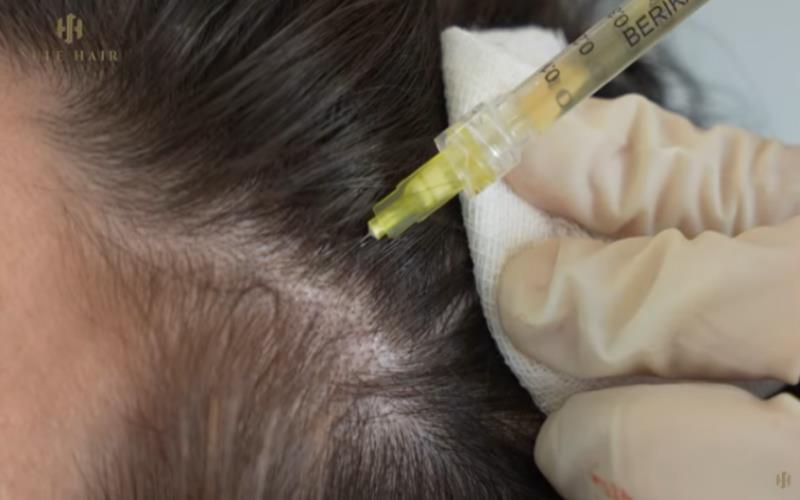
In an era where innovative techniques are revolutionizing cosmetic treatments, stem cell hair transplant emerges as a groundbreaking solution for hair loss, presenting a promising horizon for individuals seeking a permanent antidote. This advanced procedure, leveraging the regenerative capabilities of stem cells, not only promises to address hair loss but also stimulates natural hair growth, offering results that are both natural-looking and long-lasting. As the world turns its gaze towards countries leading in medical tourism for such advanced treatments, Turkey has positioned itself as a premier destination. The combination of high-quality medical expertise, cutting-edge technology, and competitive stem cell hair treatment costs makes stem cell hair transplant in Turkey an attractive option for many.
This article will navigate through the essential aspects of stem cell hair transplant, offering insights into its benefits and the transformative impact it can have on individuals’ confidence and appearance. It will elucidate the procedure step-by-step as conducted in Turkey, underscore why Turkey has become a hub for such cutting-edge treatments—highlighting key cities like Istanbul—and detail what one can expect in terms of stem cell hair treatment cost, and the pivotal before and after transformations. Moreover, it will provide guidance on post-treatment care, address common concerns and misconceptions, and ultimately arm readers with the knowledge needed to make informed decisions about undergoing a stem cell hair transplant in Turkey in 2024.

Understanding Stem Cell Hair Transplants
The Science Behind Stem Cell Technology in Hair Restoration
Stem cell hair transplants represent a significant advancement in regenerative medicine, specifically targeting hair loss. This innovative procedure utilizes the body’s own regenerative capabilities to treat baldness and thinning hair. The process begins with a technique known as a punch biopsy, where stem cells are harvested from the patient’s skin. These cells are then cultivated in a laboratory to produce new hair follicles, which are subsequently implanted into balding areas of the scalp.The core of this technology lies in the ability of stem cells to differentiate into various types of cells, including those necessary for hair growth. These stem cells, once injected into the scalp, help to rejuvenate dormant hair follicles and stimulate the growth of new hair. Research has demonstrated that these cells can not only renew themselves but also regenerate the tissues they are introduced to, which in this case includes the hair follicles.
Comparison with Traditional Hair Transplant Methods
Traditional hair transplant techniques, such as fut and fue, involve the removal of hair from a donor area to be transplanted to the recipient area. These methods, while effective, do not utilize the regenerative properties of stem cells.In contrast, stem cell hair transplants offer a less invasive option with the potential for more natural-looking results. One of the key advantages is the ability of stem cell transplants to regenerate hair at both the donor and recipient sites, potentially overcoming the limitation of limited donor hair supply. This method also holds promise for patients who are completely bald, as new hair follicles can be created in the lab from a minimal amount of existing hair cells.Moreover, stem cell procedures are generally performed under local anesthesia as outpatient services, making them less cumbersome for the patient. They require a series of treatments, each fostering the environment for hair regrowth through the introduction of regenerative cells. This method not only enhances the natural healing process but also accelerates it, offering hope for those with severe hair loss to regain hair density and coverage.By harnessing the potential of stem cells, this method of hair restoration not only aims to replenish lost hair but also to fundamentally rejuvenate the scalp’s ability to grow hair, providing a sustainable and effective solution to hair loss.