7 Things To Consider Before Choosing A Power Strip For Your Space
 Johnathan Parker |
September 16, 2026 |
12:32 pm
Johnathan Parker |
September 16, 2026 |
12:32 pm
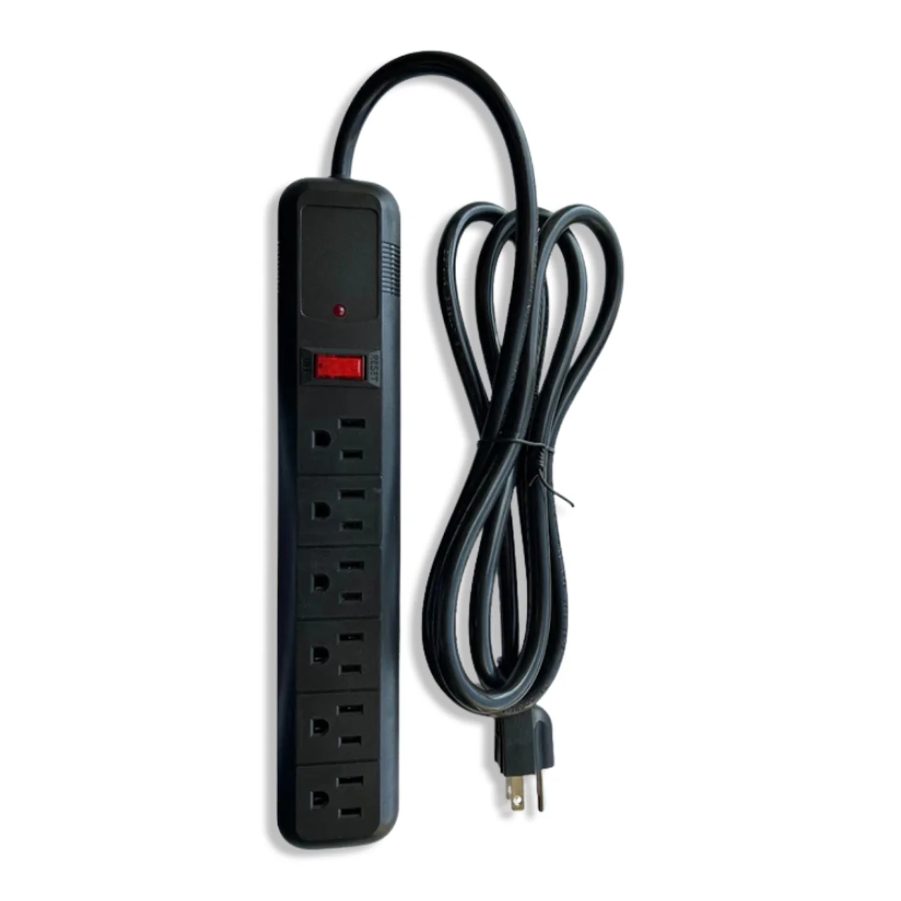
People who work from home with a laptop, monitor, phone charger, and desk lamp know the drill of not having enough wall outlets. A quick run to the store for the least expensive brand on the shelf may seem like an easy solution. However, this shortcut can end up in tripped breakers, melted plugs, or even worse, an electrical fire down the line.
Fortunately, selecting the correct unit is not difficult. It just takes a little knowledge of what is important. Whether it’s the number of outlets or the surge protection, there are a few things that make a solid option vs a danger waiting to happen.
If you need one more strip for an already crowded outlet, there are seven things you should check first.
1. How Many Outlets Does the Space Actually Need?
When selecting a power strip, one of the initial considerations is how many devices require electricity simultaneously, plus a couple of outlets. A typical home office may require 6-8 outlets for:
- A desktop computer and monitor
- A printer or scanner
- Cell phone and laptop chargers
Three or four may be all a kitchen counter needs. If there are not enough outlets, this also brings us back to unsafe daisy-chaining, so it is better to round up. After determining the number of outlets required, the next consideration is what would happen in the event of a surge at a specific outlet.
2. What Surge Protection Rating Does It Offer?
Not every strip includes surge protection, and the ones that do vary in how much voltage spike they can absorb, measured in joules. A built-in circuit breaker provides an extra level of protection, helping to prevent overloads from a sustained increase in voltage when the surge protector is used. The Office of Congressional Workplace Rights’ power strip safety information also recommends selecting a strip that is appropriate for the electrical load. A higher joule rating means the protector absorbs more surge energy over time, useful when spikes come from storms or a nearby appliance cycling on.
3. Is the Cord Long Enough Without Becoming a Trip Hazard?
Measuring the distance from the outlet to the farthest device avoids two mistakes: a cord too short, or one so long it snakes across a walkway. A three- to six-foot cord suits most desks and entertainment centers. Longer runs call for cord covers or wall clips. That reach only tells half the story, since the location changes what the strip needs to withstand.
4. Is It Rated for Indoor or Outdoor Use?
Patio string lights, holiday displays, and garage tools need a strip built to handle moisture and temperature swings. An indoor-only model used outside voids its safety rating, so check for:
- An “outdoor” or “all-weather” label
- A sealed or gasketed outlet cover
- A cord rated for outdoor exposure
That quick check protects the strip and everything plugged in during rain, snow, or humid afternoons.
5. Does It Carry Recognized Safety Certifications?
UL, ETL, or CSA indicates that a power strip has been tested for safety to a recognized safety standard, but it doesn’t mean all strips are suitable for all situations. Even so, it’s important to look for correct wiring and overload protection, as the U.S. Consumer Product Safety Commission advises, because poorly constructed electrical products can overheat and pose a shock or fire risk.
Using a correctly qualified strip from a trusted manufacturer provides an additional level of security and reduces the danger of poorly made and unverified strips.
6. Are There Enough USB or USB-C Ports for Modern Devices?
The outlet count from the first consideration only tells part of the story, since modern devices shift that math. Phones, tablets, and earbuds rarely come with a wall charger anymore, so a strip with built-in USB-A and USB-C ports frees AC outlets for gear that needs them, like a printer or monitor. Checking the wattage on those ports matters too, since fast-charging devices need more power than older USB standards deliver.
7. What Is the Amperage and Overload Protection Like?
By now, the outlets, ports, and location are figured out. The final question is whether the strip can safely handle the electrical load. Most household strips top out at 15 amps, and exceeding that limit with space heaters or hair dryers risks overheating. Look for a strip with a few overload safeguards:
- A resettable circuit breaker
- Thermal shutoff protection
- Individually switched outlets
A resettable breaker cuts power the moment an overload happens, instead of letting the wires quietly warm up behind a desk.
Final Thoughts
Picking a power strip does not have to feel like a guessing game. Outlet count, surge protection, cord length, safety certifications, and amperage belong on the checklist before checkout. A few extra minutes comparing these details can prevent tripped breakers, damaged electronics, or a far more serious hazard down the road.
Whether the goal is a home office, entertainment center, kitchen counter, or workshop bench, the right choice comes down to matching the strip to the space and its electrical load, not simply grabbing the cheapest option on the shelf.