5 Essential Lawn Care Tips For A Greener Grass
 Johnathan Parker |
August 18, 2026 |
9:55 pm
Johnathan Parker |
August 18, 2026 |
9:55 pm
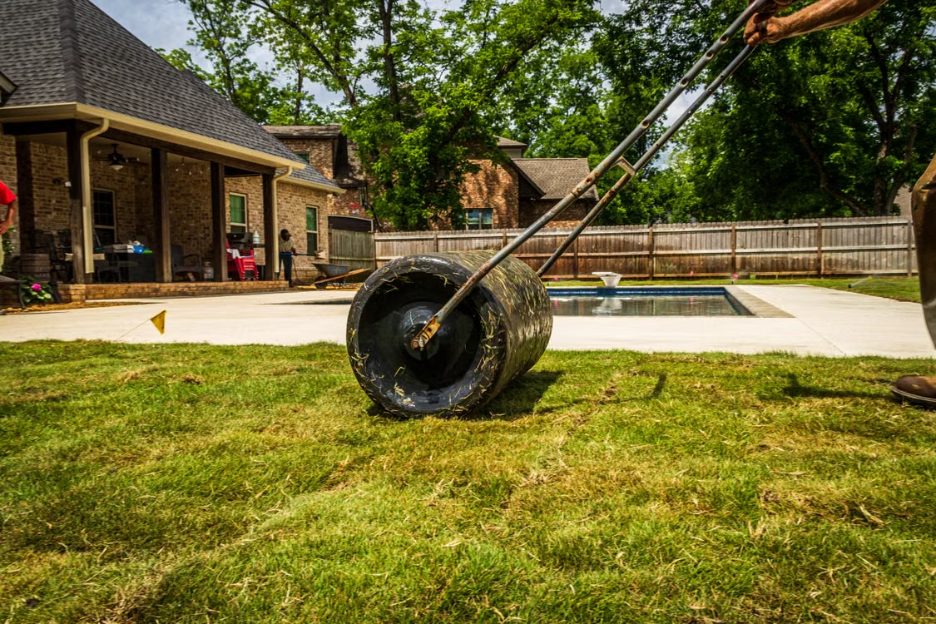
Keeping a lawn green and healthy may turn out to be difficult when grass begins to appear thin, uneven, or dull even after regular maintenance. Weed growth, poor soils, poor roots, and seasonal damage are some of the problems that many homeowners face when it comes to the appearance of their outdoor space. Without the right approach, common lawn care mistakes can prevent grass from growing properly and create bigger problems over time.
Nevertheless, it is simple to have healthier grass once you know what your lawn requires at any point during the year. Weed management, proper soil management, balanced nutrients, and regular maintenance are all significant in enhancing the health of lawns. By following simple yet effective practices, you can encourage stronger growth and maintain a greener lawn.
Let’s take a closer look.
1. Build Healthy Soil with Regular Testing and Nutrient Management
Well-developed soil paves the way to robust growth of grass. Prior to introducing any treatments, it is necessary to know the current state of your soil. Soil testing assists in determining nutrient deficiencies, pH imbalances, among others that may inhibit the growth of grass.
When you understand your soil’s requirements, then you can use appropriate nutrients and amendments with ease. This will avoid unnecessary treatments and will be beneficial for the growth of stronger roots and grass. Healthy soil also enhances water absorption, and thus the grass can get the much-needed moisture in the changing weather.
Local environmental conditions may dictate the health of the soil and the needs of the lawn in various regions.
As an example, the soil conditions and seasonal variations in Morristown are usually faced by homeowners and influence grass development and maintenance routines. Getting to know more about lawn care in Morristown can help you learn about these local issues and make your maintenance choices in a way that promotes a healthier, greener lawn.
2. Apply Proper Fertilization Throughout Growing Seasons

Grass needs a constant source of nutrients to stay healthy, grow well, and have good coloring. Nevertheless, random fertilization without regard to the timing, soil status, or grass type might not deliver the intended results. Using the appropriate fertilizer at the right time will ensure that your lawn gets the nutrients it requires at crucial stages of growth.
Seasonal fertilization helps in various stages of the lawn’s growth. Spring applications may promote growth following the winter season, or summer applications may assist grasses in dealing with heat and other environmental pressures. Fall fertilization is also used to ready the lawn, making the roots strong before the cold weather sets in.
Balanced nutrients would also be used to enhance the density and resilience of grass. With your lawn being well-nourished, it can better compete with the weeds, recover better after getting some damage, and appear healthier throughout the year.
3. Control Weeds Before They Compete with Grass Growth
Weeds can quickly affect the health and appearance of a lawn. They compete with grass for important resources, including sunlight, water, and nutrients. As weeds spread, they can create thin areas and prevent grass from growing evenly.
Early prevention is one of the most effective ways to manage weeds. Pre-emergent treatments can help stop certain weeds before they develop, while targeted control methods can address existing problems. Regular lawn monitoring also allows you to identify unwanted growth before it becomes difficult to manage.
A consistent weed control routine supports healthier grass by reducing competition below and above the soil surface. By keeping weeds under control, your lawn has more space and resources to grow thicker and stronger.
4. Improve Root Development Through Lawn Aeration and Overseeding

Strong roots are essential for maintaining a durable and healthy lawn. Over time, soil can become compacted because of foot traffic, outdoor activities, and regular mowing. When soil becomes too dense, water and nutrients have difficulty reaching grass roots.
Lawn aeration helps solve this problem by creating small openings in compacted soil. These openings allow air, water, and nutrients to move more easily through the soil and reach the root system. As a result, grass can develop deeper and stronger roots.
Overseeding works well alongside aeration because it introduces new grass seeds into areas where existing grass may be thin or damaged. Together, these practices improve lawn thickness, fill bare patches, and encourage more consistent growth across your yard.
5. Maintain Consistent Watering and Mowing Practices
Regular lawn maintenance habits have a major impact on grass health. Proper watering and mowing techniques help reduce stress while encouraging stronger growth. However, small mistakes in these areas can weaken grass and make it more vulnerable to problems.
Deep watering is generally more beneficial than frequent shallow watering because it encourages roots to grow deeper into the soil. Watering during cooler parts of the day also helps reduce moisture loss and allows grass to absorb water more effectively.
Mowing practices are equally important. Cutting grass too short can damage the blades and limit its ability to produce energy. Keeping mower blades sharp also creates cleaner cuts, helping grass recover faster after mowing.
By maintaining consistent watering and mowing routines, you can support healthier grass growth and improve your lawn’s ability to handle seasonal changes.
Conclusion
Creating a greener lawn requires consistent attention to the factors that influence grass health. From improving soil quality and applying proper nutrients to controlling weeds and supporting stronger roots, each step contributes to better results.
Regular aeration, overseeding, watering, and mowing practices also help maintain a healthier outdoor space over time. While every lawn has unique needs, following these essential care tips provides a practical approach to improving grass quality. With the right routine and proper maintenance, you can build a lawn that stays greener, thicker, and healthier throughout the seasons.