Why Belize Global Entrepreneurs Continue to Bet on This Offshore Hub
 Ava Thompson |
August 13, 2025 |
2:21 pm
Ava Thompson |
August 13, 2025 |
2:21 pm
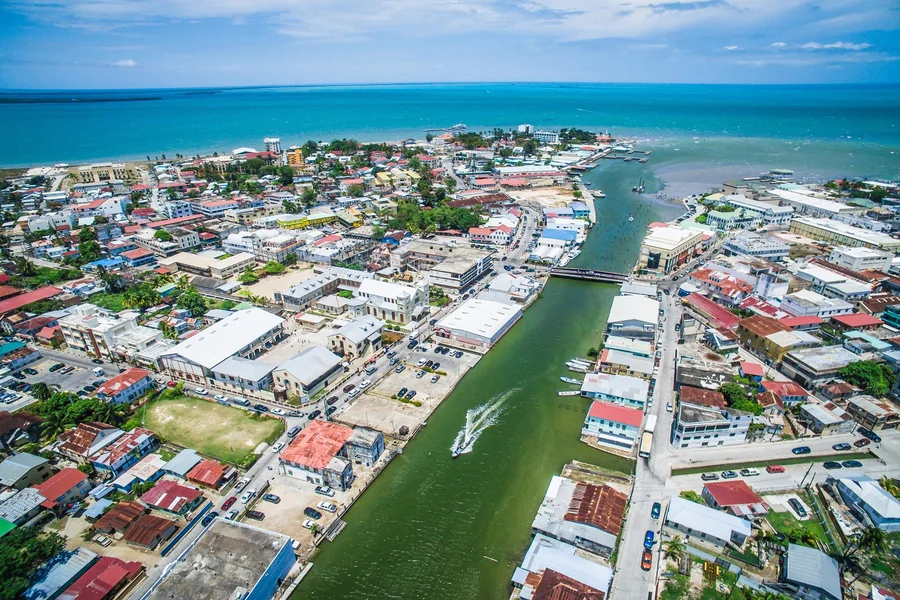
From streamlined company formation to favorable corporate governance laws, Belize has earned a place on the shortlist for those seeking robust asset protection, tax neutrality, and privacy. As someone who’s spent the last decade analyzing international company structures, financial migration, and offshore licensing strategies, I can confidently say that Belize’s legislative framework is not just attractive — it’s strategically sound.
In this article, I break down why Belize remains a magnet for smart company formation, explore the key structural options available, and clarify what changes lie ahead for those looking to leverage this jurisdiction for business or personal wealth planning.
The Real Value Behind Belize as a Jurisdiction
Belize is not a tax loophole. It’s not a hideout for opaque dealings or a place to vanish from the radar. Instead, it’s one of the few offshore jurisdictions that has successfully modernized its corporate laws while remaining competitive and transparent on the global stage.
The appeal of Belize lies in its combination of fast, low-cost incorporation with strong legislative tools for privacy and protection. Let’s break that down.
What Makes Belize Stand Out
- No local taxation on foreign-sourced income — This is crucial. Whether it’s capital gains, dividends, or corporate income, if it’s earned outside of Belize, it’s not taxed by the jurisdiction.
- Privacy laws that protect your identity — There’s no public register of directors, shareholders, or beneficial owners. While beneficial ownership declarations are filed, they are not publicly accessible.
- Speed and simplicity — A company can be incorporated within 5 to 7 business days, sometimes faster if all documentation is clean.
- No exchange controls — Funds can move in and out freely, which is essential for international business.
- Minimal operational burdens — Companies aren’t required to file financials or annual returns publicly, provided all business activity is conducted outside of Belize.
These factors, taken together, explain why Belize is often compared favorably to jurisdictions like the BVI or Seychelles — but with even fewer legacy compliance issues.
Belize IBC vs. Belize LLC
The two most commonly used structures in Belize are the International Business Company (IBC) and the Limited Liability Company (LLC). Though both offer similar advantages, their governance models and strategic uses differ.
Belize LLC: The Flexible, Member-Driven Powerhouse
The Belize LLC operates under the International Limited Liability Companies Act, which draws heavily from U.S. partnership law. This structure is contractual rather than corporate, meaning it does not issue shares and instead is governed by an operating agreement between members.
Who It’s For: Entrepreneurs looking to shield assets, manage trusts, or form joint ventures. Also ideal for estate planning due to its non-shareholding structure.
Key Advantages:
- No shares = no exposure to shareholder disputes
- Full pass-through treatment for tax purposes in many jurisdictions
- High-level asset protection (foreign judgments are not automatically recognized)
- No corporate income tax on non-Belize income
- Member anonymity preserved in compliance filings
For asset protection and control, the LLC is Belize’s most potent tool.
Belize IBC: The Share-Based Workhorse
The International Business Company, governed by the Belize Companies Act, is a more traditional corporate structure with shares and directors. It’s the go-to option for holding companies, IP structures, or companies that anticipate equity transfers.
Who It’s For: Business owners running international trading companies, IP holders, or consultants working globally who prefer a formal corporate setup.
Key Advantages:
- Rapid registration and low cost
- Can have just one director and shareholder
- Simple governance
- No taxes on foreign income
- Confidentiality built into the structure
However, note that IBCs in Belize are now evolving under international regulatory pressure. There are discussions surrounding future economic substance and tax rules, especially for entities engaging in certain activities. For that reason, it’s wise to consider this structure with an advisor who understands the key facts about Belize company law.
Formation Process: Behind the Scenes of Incorporating in Belize
While many firms advertise “easy company formation,” the reality is that effective formation is strategic, not transactional. A serious provider doesn’t just sell you a company — they help you assess whether Belize is the right fit in the first place.
What’s Involved?
- Strategic assessment of your goals — Whether your goal is asset protection, market entry, or tax optimization, the choice between an IBC and an LLC will depend on how your business operates and where.
- KYC compliance — Belize is compliant with FATF standards, so formation requires proper identity verification. Expect to provide:
- Valid passport
- Proof of address (utility bill or bank statement)
- Source of funds documentation
- Incorporation and registration — Once approved, a registered agent files with the Registrar, appoints directors or members, and secures apostilled documents.
The entire process usually takes 5–7 business days from the time complete documentation is submitted.
Post-Incorporation
Formation is only the beginning. Keeping your Belize entity compliant in 2025 and beyond requires you to:
- Maintain private accounting records (no public filing)
- Keep an up-to-date Beneficial Ownership Declaration (private)
- Retain a registered agent and office in Belize
- Respect the Economic Substance Act if the entity engages in relevant activities
- Comply with international obligations (e.g., CRS, FATCA, depending on your home country)
The rules are not onerous, but they do require responsible management — especially for those using Belize companies in multi-jurisdictional structures.
Opening a Bank Account: The Make-or-Break Step
One of the most critical post-incorporation steps is securing a reliable banking partner. This is where many entrepreneurs get stuck.
At Offshore Pro Group, we support clients with multi-jurisdictional banking strategies across:
- Belize, Panama, Cook Islands, and St. Lucia
- Switzerland and Liechtenstein for private banking
- S. and UK-based EMIs and fintech banks for digital businesses
- Crypto-friendly banks in Europe and Asia
Banks often require notarized documents, a business plan, compliance calls, and enhanced due diligence — and without a partner guiding you, onboarding can be frustrating. That’s where expert support makes all the difference.
Is Belize Still a Smart Move?
Yes — but only if used correctly.
Belize is no longer just a jurisdiction for “off-the-shelf” companies. It has matured into a serious destination for compliant offshore structuring, offering a stable legal environment and real privacy, without compromising on transparency.
Whether you’re launching a global consultancy, safeguarding family assets, or preparing for long-term financial independence, Belize offers a toolkit that, when used strategically, delivers both security and efficiency.
The bottom line? Forming a Belize company isn’t just about ticking boxes. It’s about building a flexible, compliant foundation for future growth. And in 2025, that’s not just smart — it’s essential.