When a Dog With No History of Aggression Bites Someone
 Johnathan Parker |
October 23, 2026 |
10:50 am
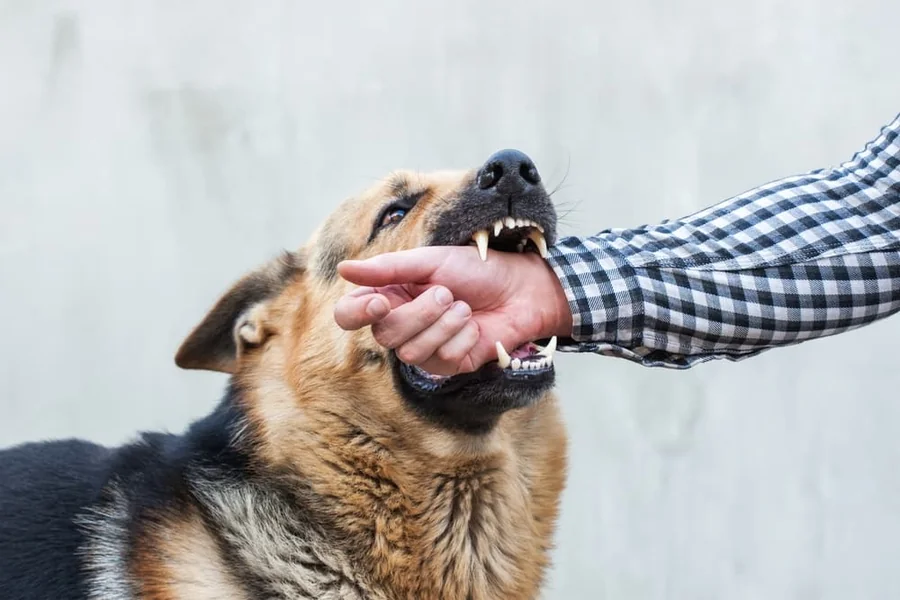
A dog may have lived for years without biting anyone, threatening a neighbor, or being labeled dangerous before suddenly injuring someone. Afterward, the owner may describe the incident as completely unexpected. That history can provide context, but Washington’s dog-bite statute does not require an injured person to prove that the dog had attacked before.
When consulting a Tacoma dog bite injury lawyer, relevant questions include who owned the dog, where the bite occurred, whether the injured person was lawfully present, whether provocation is disputed, and what damages resulted. Under RCW 16.08.040, a dog owner can be liable for damages caused by a bite regardless of the dog’s former viciousness or the owner’s knowledge of such viciousness.
A Prior Bite Is Not Required by Washington’s Statute
Some people assume that liability depends on whether an owner already knew a dog was dangerous. Washington’s statutory language takes a different approach.
RCW 16.08.040 applies when a dog bites a person in a public place or while the person is lawfully on private property. The statute expressly states that liability applies regardless of the dog’s previous viciousness or the owner’s knowledge of it.
That means an owner cannot automatically defeat a statutory dog-bite claim simply by saying, “The dog has never done this before.”
A clean behavioral history may explain why the owner was surprised, but the statute directs attention to the bite itself and the circumstances in which it occurred. The law contains a separate exception for the lawful application of a police dog.
Where the Bite Happened Still Matters
The absence of prior aggression does not eliminate liability, but the location and the injured person’s right to be there remain significant.
Washington’s dog-bite statute covers bites occurring in public places and on private property when the injured person was lawfully there. RCW 16.08.050 explains that a person is lawfully on an owner’s private property when present with the owner’s express or implied consent. The statute adds that consent is not presumed when the property is fenced or reasonably posted.
This can make the circumstances of entry important. A visitor invited into a home presents a different question from someone who entered fenced or posted property without permission.
Evidence may therefore include photographs of the property, signs or fencing, communications arranging the visit, witness accounts, or other information showing why the person was at the location.
A “Friendly Dog” Description Does Not Resolve the Legal Question
After a bite, friends, neighbors, or the owner may describe the dog as gentle, friendly, or good with people. Those observations may be sincere, but they do not substitute for the elements identified in the statute.
The law does not condition statutory liability on whether neighbors previously considered the animal aggressive. It specifically removes former viciousness and the owner’s prior knowledge of viciousness as prerequisites to liability.
That distinction keeps the investigation focused on facts rather than reputation.
A dog’s history can still become relevant to other issues in a broader dispute, but a person bringing a claim under RCW 16.08.040 does not have to begin by finding an earlier victim simply to establish that the owner knew the dog could bite.
Provocation Can Become a Central Dispute
Washington law does provide an important defense.
RCW 16.08.060 states that proof that the injured person provoked the attack is a complete defense to an action for damages.
Because the statute itself does not provide a detailed list of actions that always qualify as provocation, the actual circumstances surrounding the encounter can become significant. An owner and injured person may give very different descriptions of what happened immediately before the bite.
That makes contemporaneous evidence useful. Depending on the incident, relevant material may include:
- Statements from people who saw the interaction
- Photographs or video from the area
- Messages describing why the person was present
- Animal-control or incident records
- Photographs of the injuries
- Medical records created after the attack
- Information identifying the dog and its owner
The purpose of gathering this material is not to prove that the dog had a history of aggression. It is to establish what actually occurred during the encounter.
Dangerous-Dog Status Is a Separate Legal Concept
Washington also has statutes addressing dogs formally considered potentially dangerous or dangerous. Those laws contain definitions and requirements that are separate from the basic civil dog-bite liability statute.
For example, RCW 16.08.070 defines a “potentially dangerous dog” in part as one that, when unprovoked, bites a person or domestic animal or approaches people in a menacing manner under specified circumstances. A “dangerous dog” includes certain dogs that inflict severe injury without provocation or meet other statutory criteria.
A dog does not have to carry one of those classifications before RCW 16.08.040 can apply to a bite.
This distinction is especially relevant when the attack truly appears to be the dog’s first aggressive incident. The lack of an earlier dangerous-dog designation does not by itself answer whether the owner is liable for the injuries caused by the bite.
The Injured Person Still Needs to Document the Resulting Harm
The statute addresses the owner’s liability for damages suffered by the person bitten, so the consequences of the incident still need evidence.
Those consequences can vary substantially from one bite to another. Useful documentation may include emergency-care records, follow-up treatment, medication expenses, photographs showing how wounds changed during healing, records of missed work, and information about continuing limitations.
If the bite leaves scars or affects ordinary activities, records created over time can provide a clearer picture than photographs from the first day alone.
Keeping the liability question separate from the damages question is useful. Washington law may not require proof that the owner knew the dog was dangerous, but the person making the claim still needs evidence showing what losses the bite caused.
A First Known Bite Can Still Create a Valid Legal Issue
A friendly dog can bite someone even without a history of aggression. In Washington, this can lead to a civil dog-bite claim against the owner.
The law considers specific facts: whether the owner had the dog, whether a bite occurred, whether the victim was in a public place or legally on private property, whether there was provocation, and the resulting damages.
After an unexpected bite, the main question is not if the dog would bite, but whether the situation meets Washington’s dog-bite laws and what evidence shows the harm that occurred.