What is pipeline automation and why you should care
 Ava Thompson |
February 26, 2026 |
10:28 am
Ava Thompson |
February 26, 2026 |
10:28 am
In today’s fast-moving business world, working smarter is key. You’ve likely encountered the term pipeline automation in discussions about boosting efficiency. But what does it really mean, and is it something you genuinely need to understand?
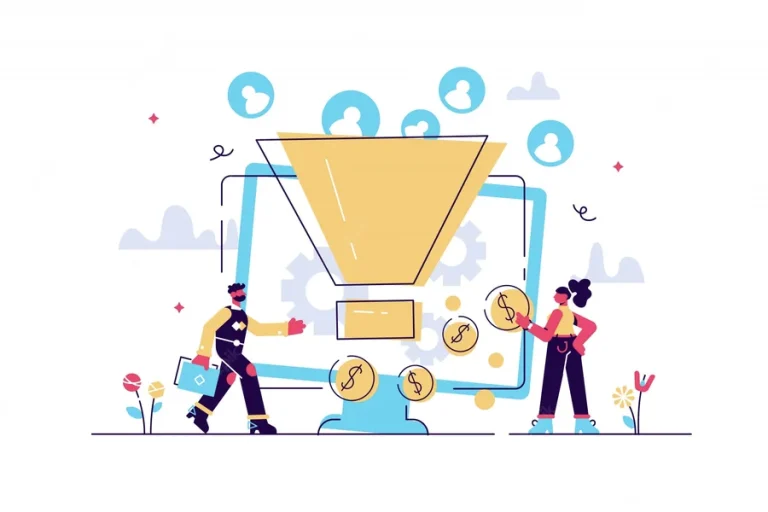
At its core, pipeline automation uses technology to streamline the stages of any business process – your ‘pipeline’. Think about everything from attracting new customers to getting projects over the finish line.
Many daily business activities follow a set order. Automating parts of this sequence can give your team breathing room, reduce errors, and generally speed things up. If you’re an entrepreneur or steering a small business, you’re probably juggling many responsibilities.
Getting to grips with pipeline automation isn’t just about tech buzzwords; it’s a solid, practical strategy. It can genuinely unlock growth and make daily operations feel less chaotic. This piece will unpack what pipeline automation truly means, explore its real-world upsides, and show why it’s become a big deal for businesses today.
Understanding the core concepts of pipeline automation
To truly click with why pipeline automation can be a powerful tool, we first need to get comfortable with two main ingredients: the “pipeline” itself, and what “automation” brings to the party. These words might seem everyday, but in business, they play specific roles.
Figuring out how these two connect is the first step to seeing how you can shake up your workflows for the better. This basic understanding will help you pinpoint spots in your own business where this kind of smart thinking could make a real, noticeable difference.
Defining a pipeline in a business context
When we talk about a ‘pipeline’ in a business setting, we’re describing a clear, step-by-step journey. It’s the path a task, a customer, or a potential deal takes from start to completion. Picture an assembly line, but for your business tasks. Each step is a specific checkpoint or job.
Take a sales pipeline. It often kicks off with ‘finding new leads.’ Then, it might move through ‘qualifying them,’ ‘sending a proposal,’ ‘negotiation,’ and hopefully wraps up with ‘deal signed.’ Or, if you create content, your pipeline could be: ‘brainstorming ideas,’ ‘writing,’ ‘editing,’ ‘approval,’ ‘approval,’ ‘publishing,’ and ‘promotion.’
The key thing about a pipeline is its organization. It gives a clear map and lets you see where everything stands.
You’ll find various pipelines in different business areas. Customer service might have one for support queries: ‘new issue,’ ‘investigation,’ ‘resolution,’ ‘feedback.’ A hiring pipeline could track applicants from ‘CV received,’ ‘first review,’ ‘interview,’ ‘offer,’ to ‘onboarding.’
The beauty of pipeline thinking is consistency. It also makes it easier to measure progress and spot hold-ups. Clear steps simplify flow management and prevent details from being missed. This structured view is vital before considering pipeline automation.
What does automation bring to the table?
So, what happens when ‘automation’ enters your business pipeline? It means using software and tech tools for tasks previously done manually. It’s like teaching a system to handle repetitive jobs based on set rules.
This isn’t about replacing people. It’s more about boosting your team’s capabilities, letting technology handle monotonous, time-sapping, or error-prone tasks. The goal is a smoother, quicker, more reliable pipeline.
Bringing automation into your pipeline has clear aims. It’s about making operations slicker by cutting manual to-ing and fro-ing that cause delays. For example, an automated system can instantly send welcome emails, instead of someone doing it manually.
Tasks like data transfer, follow-up reminders, or task assignments can be automated. This speeds things up and ensures consistency. By leveraging Kommo’s Instagram marketing solutions, you can ensure that potential customers receive the right message at the right time, fully automating the initial stages of lead engagement consistently.
This tailored communication can significantly ramp up engagement without adding manual work. When routine jobs are off their plate, your people are free. They can then focus their energy on higher-stakes tasks needing a human touch – like strategy, complex problem-solving, or building customer relationships.
Key benefits of implementing pipeline automation for your business
Alright, we understand pipelines and how automation upgrades them. Now, let’s get to the real wins when you bring pipeline automation into your business. These benefits are game-changers, especially for small to medium-sized businesses where every resource counts.
The on-the-ground impact of pipeline automation shows up as better efficiency, fewer mistakes, and a healthier bottom line.
Increased efficiency and productivity
One of the loudest cheers for pipeline automation is the massive leap in efficiency and productivity. When you automate repetitive, manual jobs, you drastically cut the time and human effort needed. Getting things through your pipeline becomes much quicker. Think of hours sunk into data entry or standard follow-ups.
Automation can tick these jobs off tirelessly, 24/7, without getting distracted. Processes that took days could be done in hours, or even minutes. This newfound speed directly feeds into a more productive team.
When your team isn’t bogged down in routine admin, they can channel their skills into strategic stuff: new products, delighting customers, or finding growth avenues.
Take sales, for example. If your system automatically nurtures leads and sends reminders, reps spend more time in meaningful conversations. Similarly, implementing a sophisticated AI Agent can instantly address common questions at any time of day. This frees up your human agents for trickier issues, leading to happier customers and a team that can manage a higher volume of requests. This shift makes your business nimbler and often boosts team morale.
Reduced errors and improved consistency
Let’s be frank, manual tasks always risk slip-ups. A typo, a missed step, or inconsistent rule application can cause big headaches: costly rework, unhappy customers, or bad decisions. Pipeline automation is a powerful ally in cutting these risks.
It standardizes processes, ensuring tasks are done right, every time. Automated systems stick to your rules; they don’t get sidetracked or forget steps. This massively slashes the odds of human errors from oversight, tiredness, or training gaps.
Then there’s the huge plus of improved consistency. With automated processes, you know every customer gets the same high service standard. Every product undergoes the same quality checks, and data is handled by the book, every time. This is vital for brand reputation and regulatory compliance.
An automated onboarding pipeline, for instance, ensures every new client gets crucial info and completes all steps correctly. This consistency means a smoother customer journey and makes it easier to track performance. It helps spot improvement areas and scale operations without chaos or errors. Ultimately, a reliable way of doing things builds trust – with your team, customers, and partners.
The takeaway: Making pipeline automation work for you
So, what’s the real story with pipeline automation? It’s much more than tech jargon. For businesses serious about thriving, it’s a must-do. Clearly map your processes into pipelines, then smartly automate repetitive, rule-based bits, and you’ll unlock impressive benefits.
Understanding how pipelines structure work and automation streamlines them translates into real wins. You’ll get more done, your team will be more productive, you’ll make fewer mistakes, and things will run more consistently. The argument for pipeline automation is strong.
For anyone running a business – entrepreneur, small business owner, or marketing pro – doing more with less is golden. Ensuring quality, consistency, and freeing talent for human-insight tasks are top priorities. Pipeline automation offers a clear route to achieve this.
It helps businesses grow smoothly, react quicker to market curveballs, and deliver better customer experiences. As you look to fine-tune operations and kickstart growth, considering pipeline automation isn’t just nice-to-have – it’s fundamental for a resilient, future-ready business.