What Is Kanna Doing in Your Brain? A Look at Mesembrine and the Alkaloids
 Johnathan Parker |
September 13, 2026 |
1:19 am
Johnathan Parker |
September 13, 2026 |
1:19 am
I’ll be honest—the first time I came across kanna, I almost scrolled past it. Another obscure botanical with a hard-to-pronounce name and a list of wellness claims that sounded too good to be true. But something made me stop. Maybe it was the fact that it had been used for centuries by the indigenous Khoikhoi and San peoples of South Africa, long before adaptogen culture made it onto supplement labels. Whatever the reason, I kept reading. And the further I went down the rabbit hole, the more fascinated I became—especially by what’s actually happening inside the brain when you take it.
So let’s get into that. Not the marketing copy, but the real neurochemistry behind this plant and the alkaloids that make it tick.
A little background on the plant itself
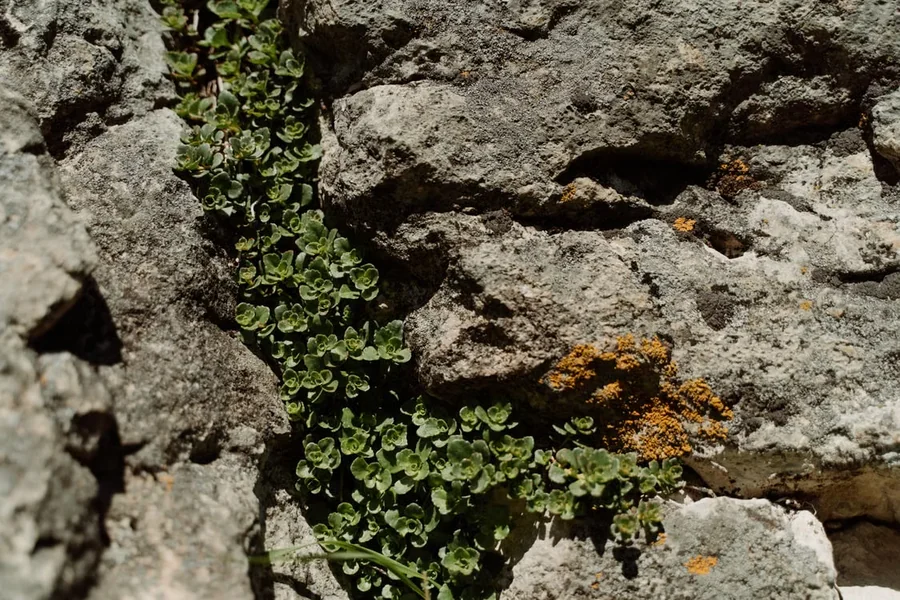
Sceletium tortuosum is a small, succulent-like plant native to the arid regions of South Africa. For centuries, the Khoikhoi and San peoples chewed, smoked, or fermented it—a process called “kougoed,” meaning “something to chew”—to ease fatigue, reduce anxiety, and elevate mood during long hunting trips or times of hardship.
If you’ve ever wondered what is kanna and why it’s suddenly showing up in nootropic stacks and mood supplements, this history is a good place to start. The plant itself isn’t new. Our interest in understanding why it works, though? That’s relatively recent.
The alkaloids are where things get interesting
Kanna contains a handful of active alkaloids, but four tend to steal the spotlight: mesembrine, mesembrenone, mesembrenol, and mesembranol. Each one interacts with the brain a little differently, and together they produce an effect that researchers are still working to fully understand.
Mesembrine is typically the most abundant and the most studied. Its primary mechanism involves inhibiting the reuptake of serotonin—a lot like how SSRIs (selective serotonin reuptake inhibitors) work. By slowing the removal of serotonin from the synaptic cleft, mesembrine effectively increases serotonin availability in the brain. More serotonin hanging around generally translates to better mood, lower anxiety, and a greater sense of calm.
But here’s what makes mesembrine stand out from a pharmaceutical SSRI: it also inhibits an enzyme called phosphodiesterase 4, or PDE4. PDE4 breaks down cyclic AMP (cAMP), a molecule involved in neuronal signaling, inflammation, and cognitive function. PDE4 inhibitors have been studied for their potential to enhance memory and reduce neuroinflammation, which is part of why researchers are genuinely curious about mesembrine’s broader effects on cognition—not just mood.
What mesembrenone and the others bring to the table
Mesembrenone is the second-most abundant alkaloid, and it operates on a slightly different set of targets. Like mesembrine, it inhibits serotonin reuptake. It also appears to interact with the kappa-opioid receptor system—a pathway associated with stress responses and dysphoria. Kappa-opioid receptor antagonism (blocking those receptors) has been linked to reduced anxiety and antidepressant effects in research settings. So mesembrenone may be doing double duty: calming the nervous system through serotonin while also quieting some of the brain’s stress signaling.
Mesembrenol and mesembranol are present in smaller quantities and are less thoroughly studied, but they appear to contribute to the overall alkaloid profile in ways that influence both efficacy and tolerability. There’s a reasonable argument to be made that the plant works the way it does partly because of this blend—not any single compound in isolation.
This is something herbalists have long argued about whole-plant preparations versus isolated compounds: the alkaloids may reinforce and modulate each other in ways that are difficult to replicate with a single extracted molecule.
The serotonin connection—and why it matters
It’s worth pausing on the serotonin piece for a moment, because it’s both the most compelling and the most misunderstood aspect of kanna.
Mesembrine’s serotonin reuptake inhibition is real and measurable in lab studies. But kanna is not a pharmaceutical SSRI, and the effects are not the same. The concentrations matter. The delivery method matters. The alkaloid ratios in any given extract matter enormously. A fermented whole-plant preparation is going to behave differently than a standardized mesembrine extract at a specific concentration.
That’s not a knock against kanna—it’s just a reminder that the brain is complicated, and “works like an SSRI” is a massive oversimplification. What the research does suggest is that low-to-moderate doses of well-standardized kanna extracts can produce mild anxiolytic (anti-anxiety) and mood-lifting effects, with a relatively fast onset compared to pharmaceutical antidepressants, which typically take weeks to accumulate meaningful effect.
A 2013 clinical study published in the Journal of Ethnopharmacology found that a proprietary Sceletium tortuosum extract called Zembrin improved cognitive flexibility and reduced anxiety-related neural reactivity in healthy adults. Small study, but a meaningful starting point.
How people actually describe the experience
Setting the science aside for a moment—because people don’t live in labs—what do actual kanna users report?
Most describe a gentle, grounding calm. Not sedation. Not a buzz. More like the feeling of taking a long exhale after a stressful day. Some notice a mild mood lift, a subtle brightening of outlook. At higher doses, there are accounts of more pronounced euphoria and even mild empathogenic effects (a greater sense of social connection), though this is less common and more dependent on dose and individual sensitivity.
The onset is typically fast—often within 20 to 30 minutes when taken sublingually or in a tincture form—which is one reason it appeals to people looking for situational support rather than a daily pharmaceutical commitment.
The practical stuff worth knowing
If you’re considering trying kanna, a few things are worth keeping in mind.
Alkaloid content varies wildly. Because Sceletium tortuosum is a plant, the alkaloid concentrations depend on growing conditions, harvest timing, and processing methods. Look for products that specify a standardized extract with a known mesembrine or total alkaloid percentage.
Drug interactions are a real consideration. Because mesembrine affects serotonin reuptake, combining kanna with SSRIs, SNRIs, MAOIs, or other serotonergic substances carries a theoretical risk of serotonin syndrome. This isn’t a “maybe be careful” situation—it’s a hard stop. Talk to a healthcare provider before combining kanna with any existing medications.
Start low. Like most botanicals, kanna’s effects are highly dose-dependent. Too little and you may notice nothing. Too much and the calming effects can tip into sedation or, in some cases, mild nausea.
A plant worth paying attention to
What draws me to kanna isn’t just the neurochemistry—it’s the story. Here is a plant that was understood and valued by an entire culture for hundreds of years, and that Western pharmacology is only now beginning to catch up with. The alkaloids are genuinely interesting. The mechanisms are plausible. And the research, while still limited, is moving in an encouraging direction.
We don’t have all the answers yet. The clinical trial database for kanna is thin compared to what exists for, say, St. John’s Wort or ashwagandha. But the foundation is solid enough that kanna deserves a serious look—not as a miracle cure, but as a thoughtfully used botanical tool with real neurochemical activity and a long track record of human use.
That, to me, is a pretty compelling combination.
Frequently Asked Questions
Is kanna safe to take every day?
Current evidence suggests that kanna is well-tolerated for short-to-medium-term use in healthy adults at moderate doses. Long-term daily use hasn’t been studied extensively, so cycling it (using it a few days on, a few days off) is a reasonable precaution until more data exists.
How long does it take to feel the effects of kanna?
Onset depends on the delivery method. Sublingual tinctures tend to work fastest—often within 15–30 minutes. Capsules or tablets may take 45–60 minutes. Effects typically last 2–4 hours.
Can I take kanna with antidepressants?
No. Because kanna affects serotonin reuptake, combining it with SSRIs, SNRIs, or MAOIs poses a risk of serotonin syndrome. Always consult a qualified healthcare provider before combining any botanical with prescription medications.
Does kanna show up on a drug test?
Kanna alkaloids are not screened for in standard drug tests and are not controlled substances in most countries. That said, regulations vary by region, so it’s worth checking local laws if this is a concern.