Top 10 Weather-Resistant Flooring Options for Every Climate
 Johnathan Parker |
April 18, 2025 |
6:16 pm
Johnathan Parker |
April 18, 2025 |
6:16 pm
When deciding on the flooring material for outdoor areas and any other areas prone to extreme temperature changes, weather resistance is often a top consideration. The flooring should be able to withstand summer sun, winter nights, and everything in between. If you are sprucing up a sunroom, building a pool deck, or working on a patio, one thing that you have to ensure is that the materials you select should be durable and weatherproof.
From scorching summers to blistering winters, the right flooring should withstand the elements while looking great for years. Below, we explore the options of the finest weather-resistant flooring choices that are reliable across various climates and are strong in style with low maintenance.
Ceramic Tile
If you are looking for the best in class for the flooring, look no further than porcelain ceramic tiles. Due to additional density, porcelain tile has lower porosity than ceramic tiles. It also offers resistance against moisture, UV rays, and fluctuation in temperatures, making it perfect for places that undergo freeze-thaw cycles. Available in a variety of textures and finishes—including wood-look and stone-look designs—porcelain offers both durability and visual appeal.
Concrete
Concrete is one of the cheapest and most weather-resistant options available on the construction market. A concrete material that is sealed properly can withstand snow, sun, and extreme temperature changes. It can also include a variety of molds, such as polished, stamped, or stained, to add artistry and design. Though concrete is custom-tailored for many styles, plain concrete is rather functional and has its unique appeal. Resealing every few years is suggested to maintain its weather-resisting capabilities, although this material overall requires low maintenance.
Composite Decking
Composite decking is a blend of wood fibers and recycled plastic, designed to mimic the look of wood without the downsides. This modern-day material does not rot, warp, splinter, or become infested with insects. It is extremely functional for geographic areas that experience high humidity and scorching sunlight due to its UV-resistant surface. Moreover, composite decking is beneficial for wet places as many brands use slip-resistant textures, making them a safer choice for pool sides and areas with frequent rain.
Mosaic Flooring
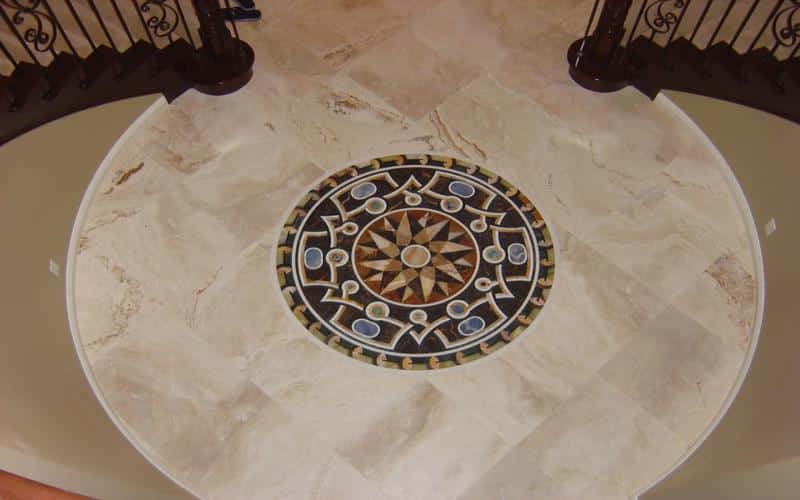
adds a decorative and artistic appeal to outdoor and indoor spaces while also creating a durable surface that can withstand wear and tear. Mosaic flooring is typically made using ceramic, glass, or stone pieces. Mosaic tiles are set in mortar and then sealed for moisture protection, making them ideal for patio, garden paths, poolside walks, or walk-in showers where moisture is frequently present. Enclosed grout lines and added texture mosaics improve slip resistance, especially useful in wet environments. Mosaics excel in warm dry climates but can be used in colder zones too with the right materials. With endless patterns and colors mosaic flooring gives homeowners heaps of creativity while still having a lasting option.
Rubber Pavers
Rubber flooring might not be the first option that comes to mind for outdoor or weather-resistant use, but rubber pavers have carved out a niche thanks to their shock-absorbent, slip-resistant properties. Made from recycled rubber tires, these eco-friendly tiles are water-resistant and UV-stable, making them suitable for hot or wet climates. They’re often used in playgrounds or gyms, but they work just as well for patios, balconies, or even garage floors. They come in various colors and patterns and offer a soft, safe surface underfoot.
Natural Stone
Stone is a classic and enduring choice for weather-resistant flooring. Materials like slate, granite, travertine, and bluestone are capable of withstanding high levels of heat, cold and moisture when properly sealed. Each stone type has a variety of its own properties, for example granite is extremely hard and scratch-resistant, while travertine has a more rustic and porous surface. Natural stone can be slippery when wet, so opt for textured or tumbled finishes in areas exposed to water. While more expensive than other materials, the timeless beauty and longevity of stone can be worth the investment.
Luxury Vinyl Plank (LVP)
The popularity of luxury vinyl plank flooring has recently grown for both indoor and outdoor areas. The best LVP products are now made with rigid core technology and industrial-strength waterproof backing, making them ideal for covered patios, sunrooms, or enclosed porches. While not suitable for fully exposed outdoor use, LVP’s scratch, fade, and temperature change resistance make it a wonder. Comfort is another perk as LVP mimics the look of hardwood, tile, or stone while being inexpensive.
Engineered Wood
Traditional hardwood is notoriously vulnerable to weather, but specially treated engineered wood can be used in certain outdoor applications. Made by layering real wood veneers over high-density plywood and sealing it with weather-resistant finishes, outdoor-rated engineered wood is more stable and less prone to warping or expanding in response to temperature and humidity. It works best in covered outdoor spaces where it’s partially protected from the elements. While not as robust as tile or concrete, it offers a warmer, more natural feel that’s perfect for transitional spaces like screened porches.

Outdoor Carpet Tiles
For those seeking softness and comfort underfoot, outdoor carpet tiles offer a weather-resistant solution that’s both practical and stylish. Made from synthetic fibers like polypropylene, these tiles resist mildew, UV rays, and water damage. They are a great option for covered patios or balconies in both hot and humid climates. Carpet tiles are easy to install and replace, making them a flexible solution for high-traffic or seasonal use. Plus, with a range of patterns and textures available, they can bring a cozy, indoor-like feel to any outdoor area.
Brick Pavers
Brick pavers have been used for centuries, and their impressive weather resistance matches their timeless appeal. Bricks are naturally strong and slip-resistant, and when installed properly with sand or mortar joints, they allow for drainage and flexibility that prevents cracking. Bricks can handle freeze-thaw cycles well, making them ideal for northern regions. Their rustic, earthy tones add character to patios, walkways, and driveways, and over time they develop a charming, lived-in patina that many homeowners love.