The Benefits of Personalized Home Care for Seniors
 Ava Thompson |
June 13, 2025 |
2:34 pm
Ava Thompson |
June 13, 2025 |
2:34 pm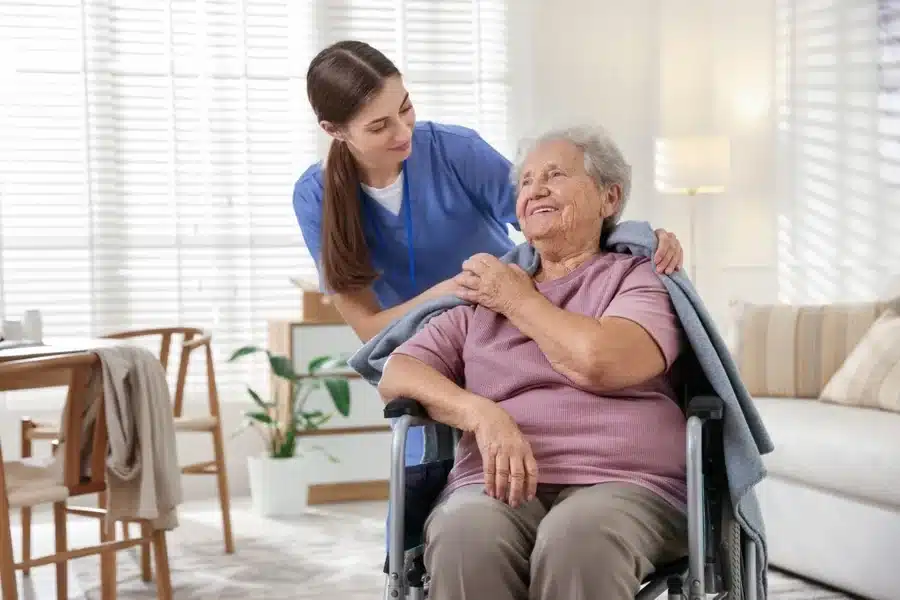
When you have a senior family member, looking for care options can be a tough task. Not everyone thrives in traditional senior care service. And not every family can afford specialized care.
Some families have opted for in-home care to address the challenges. This setup involves providing personal care to elderly individuals in their own homes. Many find this option more beneficial than in a typical care facility.
Below are the advantages of home care for seniors. If you’re on the fence about what’s best for your loved one, this list might help you decide wisely.
Additional Comfort
As people age, it becomes harder to keep moving around or settle in new places. That’s what makes staying in senior care facilities challenging. However, if a senior person can stay home, it can bring them more comfort.
Home care for seniors allows older individuals to sleep in their own beds, use their own bathrooms, and eat from their own pantries. Familiar surroundings also aid those with progressive conditions affecting memory, like dementia.
Comfort is sometimes hard to find in senior care facilities. Beds are often built the same way, and residents may have limited choices in personal items. That’s why seniors in home care usually thrive better. They receive the appropriate assistance while still living in their abode. Just review and select the packages and services that best suit your loved one’s needs.
Better Health Outcomes
Several studies show that home care for seniors positively impacts health and recovery. Many seniors, in particular, suffer from chronic conditions like diabetes or arthritis. Receiving care at home may help them and their families manage symptoms better.
Personalized care plans, tailored per individual and their specific medical situation, are often included in home care setups. This approach supports seniors by providing them with the appropriate care they deserve. Professional caregivers work with families to boost their loved one’s quality of life and hasten recovery from potential illnesses.
One-on-One Attention and Care
Unlike in care centers, seniors in home care are treated with one-on-one care by their assigned caregiver. Care providers often tend to a single client for a few hours per week. They can focus their energy on one person, meeting their needs much faster than in a residential facility.
Seniors with chronic conditions also benefit from one-on-one attention. They can receive exclusive skilled nursing care at home without always needing to go to a hospital. A caregiver at home will also provide timely medication reminders or help with daily movement. That’s important, especially for seniors who live alone and need some assistance.
A one-on-one approach also builds stronger relationships between seniors and their caregivers. The closer bond leads to more trust and comfort during routines.
Cost Effectiveness
While personalized care is often pricey, it’s not always the case. Home care for seniors can be affordable for those who only need help a few hours a day or a few days a week. Compare that to the monthly cost of a residential facility.
Families can choose services that match their exact needs instead of paying for a universal package. Avoiding frequent hospital visits or delayed treatment can also reduce medical bills over time. The flexibility of home care lets families manage the costs without sacrificing quality care.
Improved Emotional and Mental Well-Being
Staying in a care facility can sometimes make people feel lonely, even if they have friends there. On the other hand, home is filled with happy memories and comfort. It also helps avoid the feeling of displacement that some older adults experience after moving into a facility.
Personalized home care for seniors supports physical health and emotional wellness. Companionship, conversations, and shared daily activities reduce depression and loneliness.
Mental health matters at every age. Home care offers an ideal setting where seniors can feel heard, seen, and loved.
Family Involvement
Home care makes it easier for family members to participate in daily care routines. Loved ones can drop in to check on progress and help out when needed. That’s something much harder to do in senior living facilities with strict visiting hours.
Involvement keeps families connected and informed. Closer proximity to loved ones allows for coordinated care and quick response to changing needs. Studies even show that home care with paid caregivers benefits both older adults and family caregivers.
Knowing that a skilled and trusted caregiver is around for support also eases emotional strain. Meanwhile, family members can remain actively engaged in the senior’s life.
Independence
In most residential care facilities, seniors have to follow a set schedule. It can be limiting for many people who desire freedom.
Conversely, home care for seniors allows individuals to partake in daily living as they please. Personalized care is designed to support seniors in doing as much for themselves as possible, with some help.
It’s a big deal if one can continue preparing their own meals, watering plants, or choosing what to wear for the day. These actions provide a sense of control over daily life, which boosts confidence and self-worth. With proper support, seniors can live life on their own terms.
To Conclude
Choosing care for an older loved one is not always easy. However, personalized home care for seniors offers a balanced option. It respects independence, supports health, and keeps seniors connected to their homes, memories, and family.
Home care helps enhance the lives of the older population where they already are. For many families, that opportunity is worth every penny.