Tailoring Your Kitchen: Finding Solutions for Your Commercial Kitchen Needs
 Johnathan Parker |
May 20, 2025 |
3:14 pm
Johnathan Parker |
May 20, 2025 |
3:14 pm
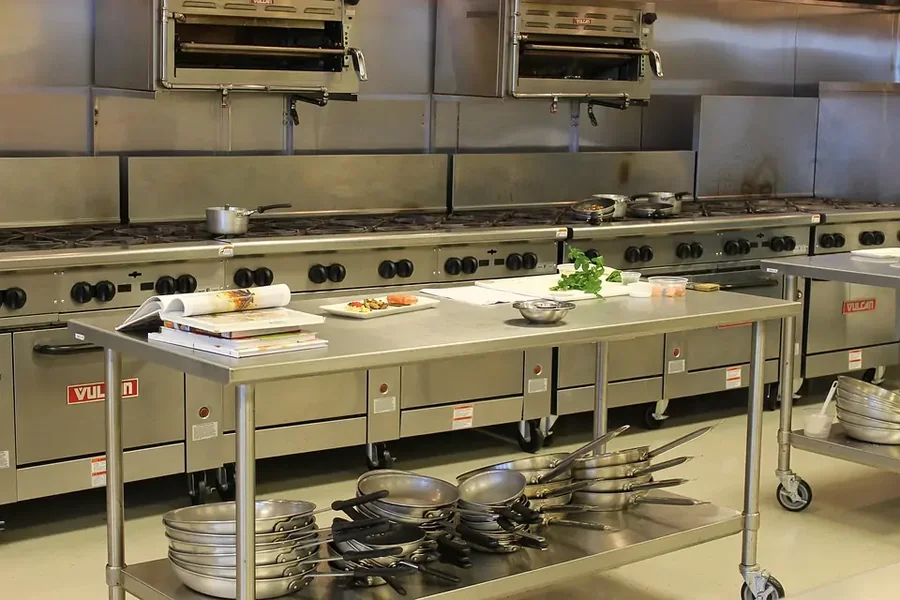
For restaurant owners, the soul of any good establishment is its kitchen. It’s where culinary magic happens and where efficiency meets creativity. However, setting up a commercial kitchen that combines functionality with cost-efficiency can be a challenging task. It’s vital to plan a kitchen that not only meets your cooking needs but also adheres to safety standards and maximizes worker productivity. Below, we explore the essential steps to customizing the perfect kitchen for your business.
Selecting the Right Commercial Kitchen Equipment
Choosing the correct equipment is pivotal for any commercial kitchen. This extends beyond stoves and refrigerators—it’s about selecting pieces that cater to your specific culinary needs while being reliable and energy-efficient. It’s about investing in quality to ensure longevity and consistency in your service.
When opting for equipment, consider the maintenance and repair needs of each piece. While some cutting-edge kitchen gadgets might enhance your operations, they could also entail complex care requirements. Balancing sophistication with practicality is essential to keep your kitchen running smoothly.
For those in the market, San Diego restaurant equipment offers a wide array of options. From refrigeration to cooking appliances, it’s vital to make selections that reflect your specific kitchen needs and priorities.
Maximizing Efficiency With Custom Kitchen Design Layouts
Efficiency in a commercial kitchen is largely dictated by its design. A custom layout that takes into account your unique operating procedures can significantly boost productivity. The goal is to reduce motion waste and allow staff to access what they need with minimal movement.
When customizing your layout, consider future growth and the potential need for additional space or equipment. Flexibility in design permits adaptations without a complete overhaul, which is advantageous for evolving businesses.
Incorporating technology can also aid in maximizing kitchen efficiency. From digital inventory tracking systems to smart kitchen appliances that automate tasks, leveraging tech innovations can streamline operations and save valuable time.
Implementing Smart Storage Solutions for Commercial Kitchens
A common oversight in commercial kitchen design is inadequate storage solutions. Intelligent storage is about more than just having enough shelves—it’s about utilizing space in a way that makes sense for the operation and flow of a bustling kitchen.
Custom shelving, hanging racks, and modular storage units allow for ingredients and equipment to be easily accessible, thereby minimizing disruption during busy service hours. Creating designated areas for specific categories of items can greatly reduce the risk of cross-contamination and enhance food safety practices.
Furthermore, consider the use of vertical space and the integration of mobile storage solutions. These can make a significant difference in the functionality of a small kitchen where floor space is at a premium.
Navigating Health and Safety Regulations in Commercial Kitchen Design
Adhering to health and safety regulations is not just about compliance—it’s about protecting both customers and staff. Understanding local codes and guidelines is the first step towards designing a kitchen that meets legal standards and demonstrates a commitment to high-quality service.
Consider hygienic surfaces and materials in your design that are easy to clean and maintain. Proper food preparation and cooking zones must also be distinctly separate to prevent cross-contamination. Additionally, ensure the installation of fire suppression systems and adequate fire exits.
Altogether, the success of a commercial kitchen is rooted in intelligent design that promotes functionality, safety, and adaptability. Investing time and resources into planning and equipping your kitchen space pays long-term dividends in the efficient, safe, and enjoyable operation of your restaurant’s hub. From meticulously selecting the right restaurant equipment to ensuring compliance with safety regulations, every decision shapes the quality of your service and the satisfaction of your customers.