Sustainable Commercial Roofing Solutions for Modern Buildings
 Ava Thompson |
August 29, 2025 |
11:10 am
Ava Thompson |
August 29, 2025 |
11:10 am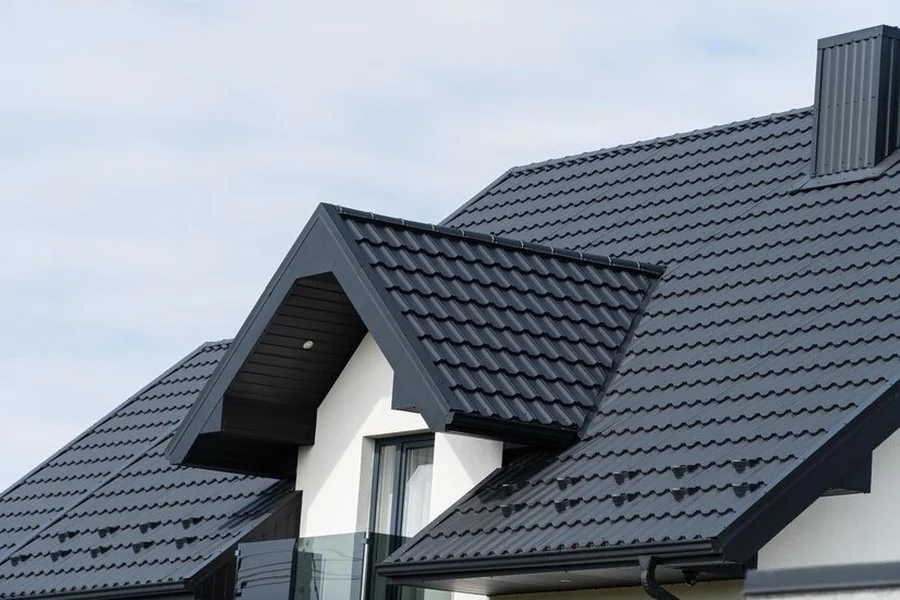
The commercial building sector is undergoing a fundamental transformation as sustainability becomes a critical factor in construction and renovation decisions. Property owners, developers, and facility managers are increasingly seeking roofing solutions that not only protect their investments but also contribute to environmental stewardship and long-term cost savings. Asset Roofing represents a comprehensive approach to commercial roofing that prioritizes sustainable materials, energy efficiency, and innovative technologies designed to meet the demands of modern buildings.
The Evolution of Commercial Roofing Priorities
Commercial roofing has evolved far beyond basic weather protection. Today’s building owners face mounting pressure from regulations, tenant expectations, and corporate sustainability goals to implement environmentally responsible solutions. The shift toward sustainable roofing reflects broader market trends where building performance, energy efficiency, and environmental impact carry equal weight with initial installation costs.
Modern commercial buildings require roofing systems that can accommodate complex mechanical equipment, provide superior insulation, and withstand increasingly severe weather patterns attributed to climate change. These requirements have driven innovation in roofing materials and installation techniques, creating opportunities for Asset Roofing solutions that deliver both immediate and long-term benefits.
Key Sustainable Roofing Technologies
Cool Roofing Systems
Cool roofing technology represents one of the most impactful sustainable solutions available to commercial property owners. These systems utilize reflective materials and specialized coatings to reduce heat absorption, significantly lowering cooling costs during peak summer months. White membrane roofing, reflective metal systems, and modified bitumen with granulated surfaces can reflect up to 80% of solar radiation, compared to traditional dark roofing materials that may reflect only 5-10%.
The energy savings from cool roofing systems can be substantial. Studies indicate that buildings with properly installed cool roofing systems can reduce air conditioning costs by 15-30%, depending on climate conditions and building design. These savings compound over the roof’s lifespan, often offsetting the initial investment within three to five years.
Green Roofing Solutions
Living roofs, also known as green roofs, provide exceptional environmental benefits while creating usable space for building occupants. Extensive green roofs featuring drought-resistant plants and lightweight growing media can reduce stormwater runoff by up to 90%, significantly decreasing the burden on municipal drainage systems. These systems also provide natural insulation, reducing heating and cooling loads while creating habitat for urban wildlife.
Intensive green roof systems, while requiring more structural support and maintenance, can accommodate deeper soil depths and support larger plants, even small trees. These installations can transform unused rooftop space into gardens, recreational areas, or urban farms, providing tangible benefits to building occupants and surrounding communities.
Solar Integration
The integration of solar photovoltaic systems with commercial roofing has become increasingly sophisticated and cost-effective. Modern approaches by Asset Roofing consider solar compatibility from the design phase, ensuring proper structural support, optimal panel placement, and seamless integration with existing building systems. Building-integrated photovoltaics (BIPV) can serve as both roofing material and energy generation system, maximizing efficiency while maintaining aesthetic appeal.
Solar roofing systems can provide significant financial returns through reduced energy costs and available tax incentives. Many commercial installations achieve payback periods of seven to ten years, with systems designed to operate effectively for 25 years or more. The combination of energy savings and potential revenue from excess power generation makes solar-integrated roofing an attractive long-term investment.
Advanced Materials and Construction Methods
TPO and EPDM Membranes
Thermoplastic polyolefin (TPO) and ethylene propylene diene terpolymer (EPDM) membranes represent significant advances in single-ply roofing technology. These materials offer exceptional durability, chemical resistance, and energy efficiency while being fully recyclable at the end of their service life. TPO membranes, in particular, combine the benefits of thermoplastic and thermosetting materials, providing excellent heat welding capabilities and superior weather resistance.
Modern TPO installations can last 20-30 years with proper maintenance, significantly longer than traditional built-up roofing systems. The lightweight nature of these membranes reduces structural requirements, making them suitable for both new construction and retrofit applications.
Modified Bitumen Systems
Contemporary modified bitumen systems incorporate recycled materials and advanced polymer modifications to enhance performance and sustainability. These systems offer excellent waterproofing capabilities while providing the redundancy of multi-layer construction. Granulated cap sheets can provide reflective properties similar to dedicated cool roofing systems, combining durability with energy efficiency.
The flexibility of modified bitumen systems makes them particularly suitable for buildings with complex geometries or significant thermal movement. Proper installation and regular maintenance can extend the service life of these systems to 15-25 years, providing excellent value over the roof’s lifespan.
Metal Roofing Innovation
Metal roofing has experienced significant innovation in sustainable coatings and installation techniques. Advanced paint systems incorporating cool pigment technology can achieve high solar reflectance even with darker colors, expanding design options while maintaining energy efficiency benefits. Standing seam metal roofing systems provide exceptional longevity, with many installations lasting 40-60 years with minimal maintenance.
The recyclable nature of metal roofing materials aligns with circular economy principles, as old systems can be completely recycled into new products without quality degradation. This characteristic, combined with exceptional durability, makes metal roofing one of the most sustainable options available for commercial applications.
Building Performance Integration
Insulation and Thermal Performance
Effective insulation strategies are fundamental to sustainable commercial roofing systems. Modern approaches integrate continuous insulation layers that minimize thermal bridging while providing superior R-values. Polyisocyanurate foam boards, mineral wool, and advanced foam-in-place systems can significantly improve building thermal performance while reducing overall energy consumption.
The placement and type of insulation must be carefully coordinated with vapor control systems to prevent moisture-related problems. Asset Roofing solutions consider the building’s entire thermal envelope, ensuring that roofing insulation works effectively with wall and foundation insulation to maximize energy efficiency.
Water Management Systems
Sustainable roofing extends beyond the roof membrane to encompass comprehensive water management. Low-impact development principles guide the design of drainage systems that can handle increasingly intense precipitation events while reducing environmental impact. Permeable surfaces, bioswales, and retention systems can be integrated with roofing design to manage stormwater at the source.
Proper water management protects the building structure while reducing municipal infrastructure burden. These systems can help buildings achieve credits in green building certification programs while demonstrating corporate environmental responsibility.
Maintenance and Lifecycle Considerations
Preventive Maintenance Programs
The sustainability of any roofing system depends heavily on proper maintenance throughout its service life. Comprehensive maintenance programs can extend roof life by 50-100%, significantly improving the return on investment while reducing material waste. Regular inspections, prompt repairs, and proactive membrane restoration can prevent small problems from becoming major failures.
Digital monitoring systems and drone inspections have revolutionized roof maintenance, allowing for more frequent and detailed assessments at lower cost. These technologies enable facility managers to make informed decisions about maintenance timing and resource allocation.
End-of-Life Planning
Sustainable Asset Roofing considers the entire building lifecycle, including material disposal and recycling at the roof’s end of service. Many modern roofing materials can be recycled or repurposed, reducing landfill waste and supporting circular economy principles. Planning for end-of-life management during the initial design phase ensures that sustainable practices continue throughout the building’s operation.
Economic Benefits and Return on Investment
The financial case for sustainable commercial roofing has strengthened significantly as material costs have stabilized and energy prices have increased. While sustainable systems may require higher initial investment, the combination of energy savings, extended service life, and reduced maintenance costs typically provides positive returns within the first decade of operation.
Tax incentives, utility rebates, and green building certifications can further improve project economics. Many jurisdictions offer significant incentives for cool roofing, solar installations, and green roof systems, effectively subsidizing the transition to more sustainable building practices.
Future Trends and Innovations
The commercial roofing industry continues to evolve with new materials, installation techniques, and integrated systems. Smart roofing technologies incorporating sensors and automated systems promise to optimize building performance while providing real-time condition monitoring. Phase-change materials and advanced coatings may further improve energy efficiency while reducing maintenance requirements.
Asset Roofing solutions will increasingly incorporate these emerging technologies, providing building owners with cutting-edge systems that deliver superior performance while advancing sustainability goals. The integration of artificial intelligence and predictive analytics will enable more sophisticated maintenance strategies and system optimization.
Sustainable commercial roofing represents a fundamental shift in how we approach building protection and performance. By embracing innovative materials, advanced installation techniques, and comprehensive lifecycle thinking, modern buildings can achieve exceptional durability, energy efficiency, and environmental performance. The investment in sustainable roofing systems provides both immediate operational benefits and long-term value creation, making it an essential consideration for any commercial building project.